















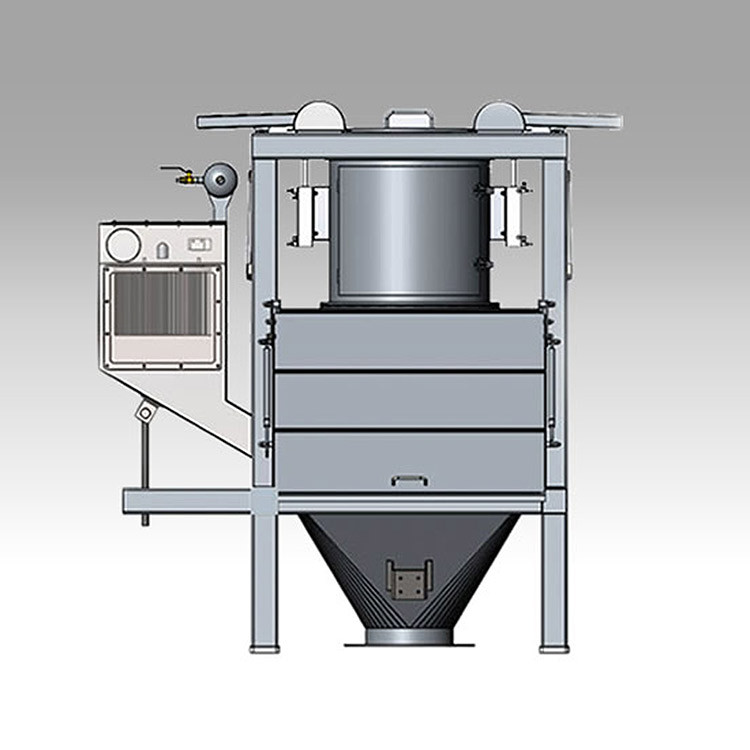
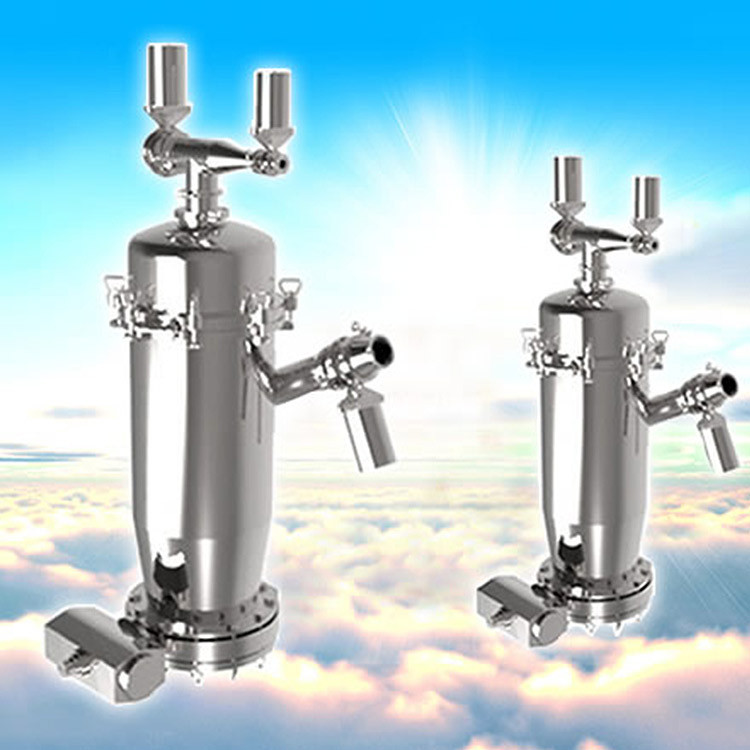
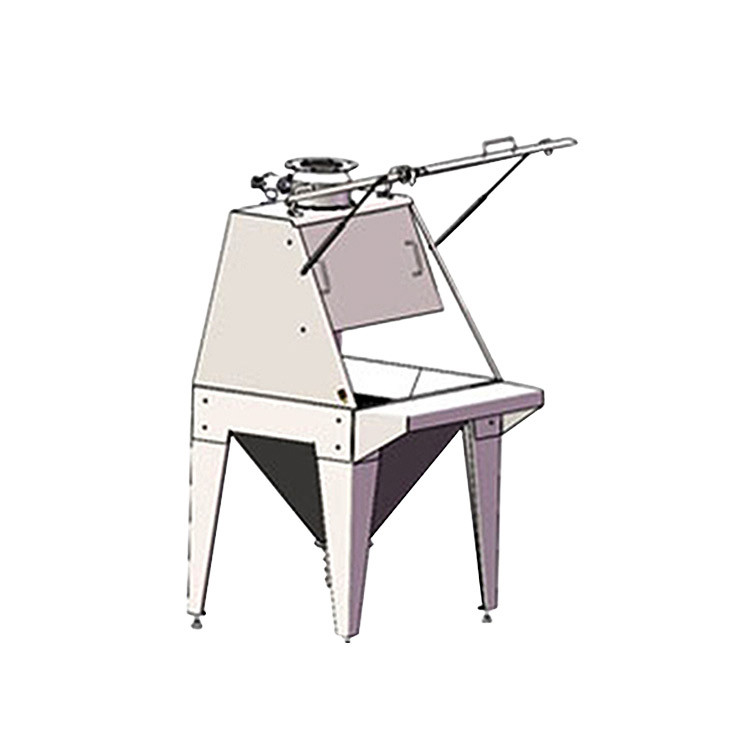
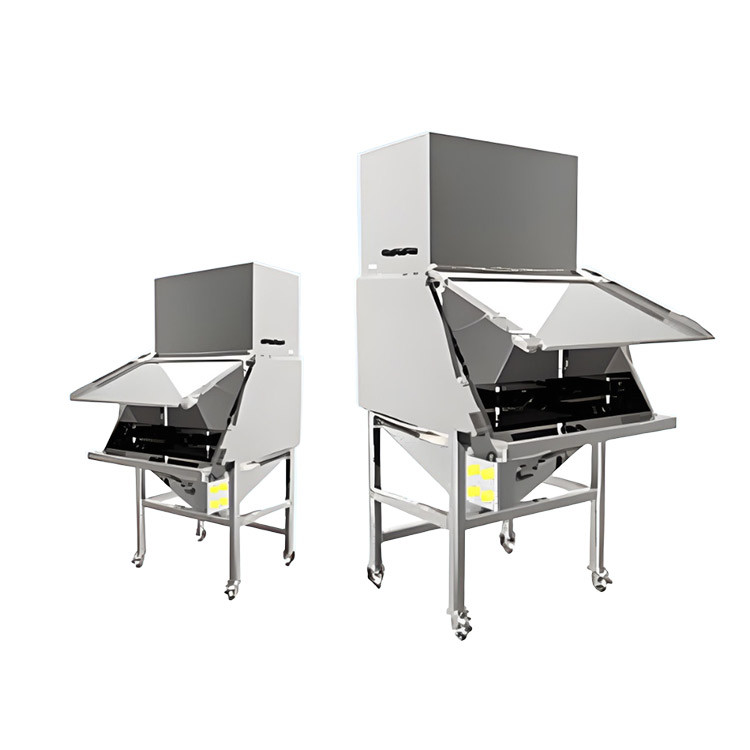
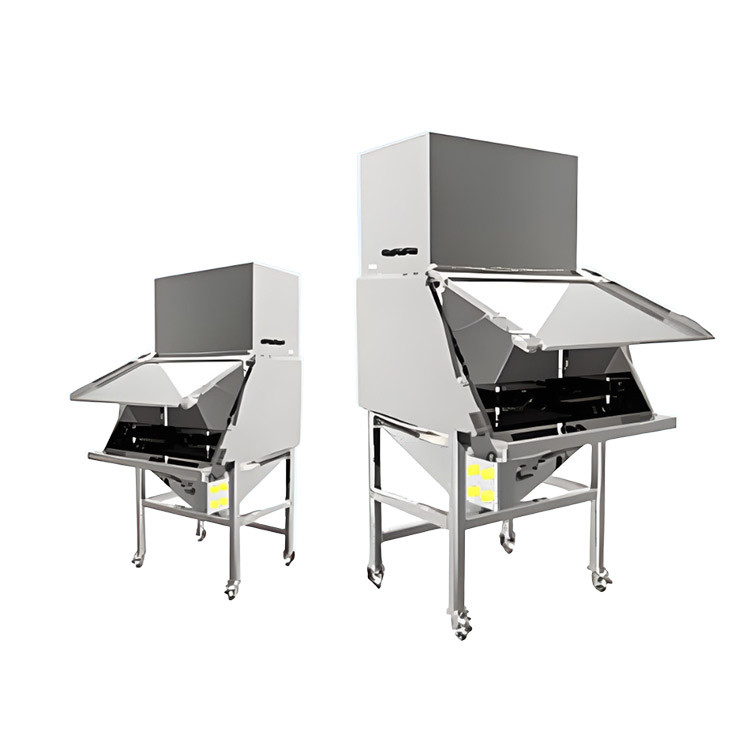
Positive pressure pneumatic conveying system is a method of conveying materials using positive pressure gas. During positive pressure pneumatic conveying, the gas is introduced into the feeder, where it mixes with the material. The mixed gas and material then pass through a separator, separating the solids from the gas. The gas, after passing through a dust removal unit, is discharged into the air, while the material settles in the storage bin.
Advantages of positive pressure conveying system applications:
1. Achieve bulk material transportation, high efficiency, and reduce Jiangdu packaging and loading/unloading transportation costs to cut down on expenses.
2. Material transportation is unaffected by weather conditions or surrounding pipeline layout, facilitating the arrangement of the production workshop.
3. High work pressure, large throughput capacity, capable of long-distance and high-output conveyance; booster-assisted ultra-long distance conveyance available.
4. The positive pressure air delivery system features high pressure and lower gas consumption.
5. Single-point to multi-point delivery or multi-point feeding and unloading available for convenient process design.
6. Additional air supply pipes can be installed inside and outside the conveying pipeline to replenish air inside the pipeline, prevent material blockage, and store materials.
7. Fully enclosed pipeline transportation, free of dust飞扬, no leaks, and a clean environment that meets environmental protection requirements.
8. Equipment is simple, with flexible pipeline layout, occupying minimal land area, making full use of the workshop space, with low investment and maintenance costs for the equipment.
Positive pressure conveying systems have a wide range of applications. For long-distance, high-yield, and multi-set conveying scenarios, positive pressure dense phase offers advantages of low energy consumption and greater stability. This method is suitable for longer conveying distances and fine, powdery materials such as PVC powder, fly ash, cement, coal powder, and lithium battery raw materials, among others.


















