


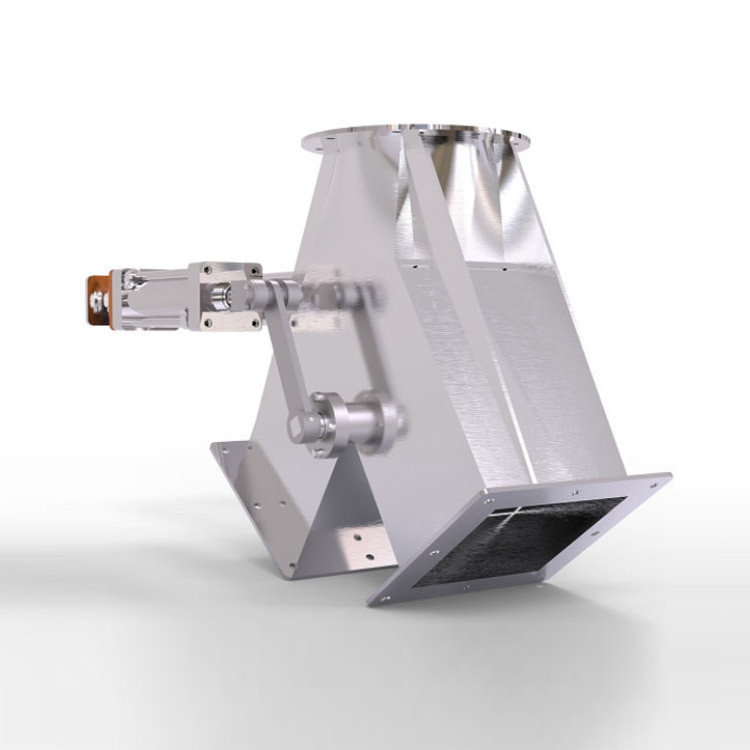














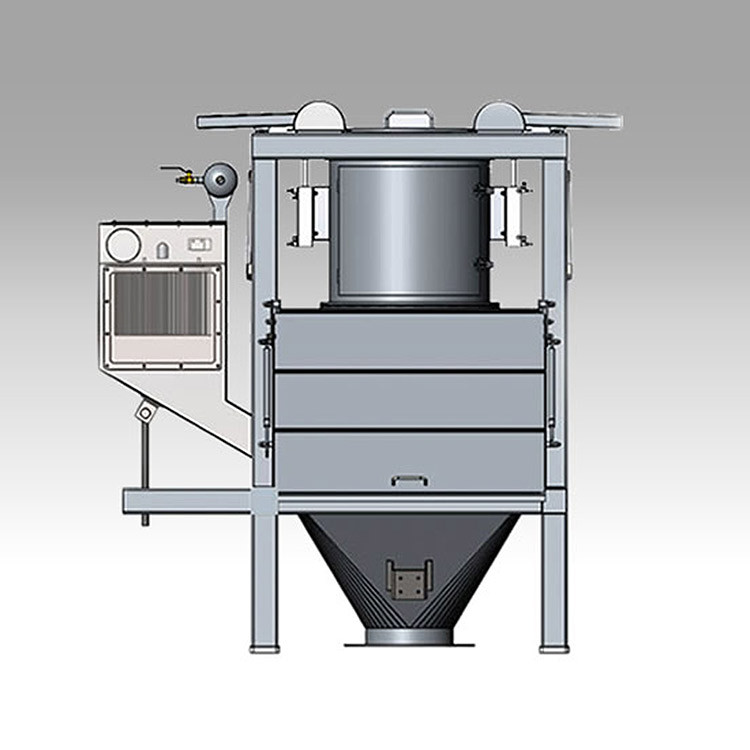
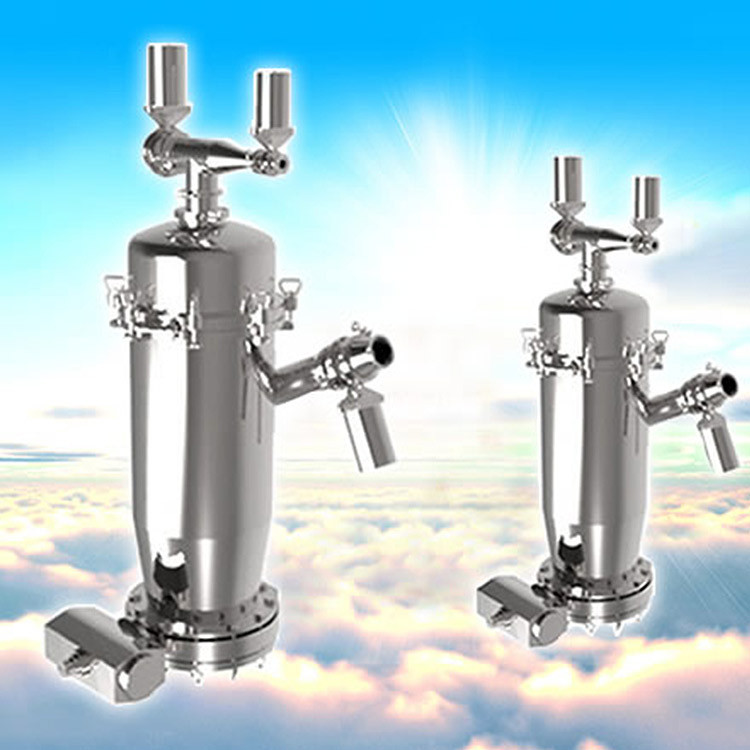
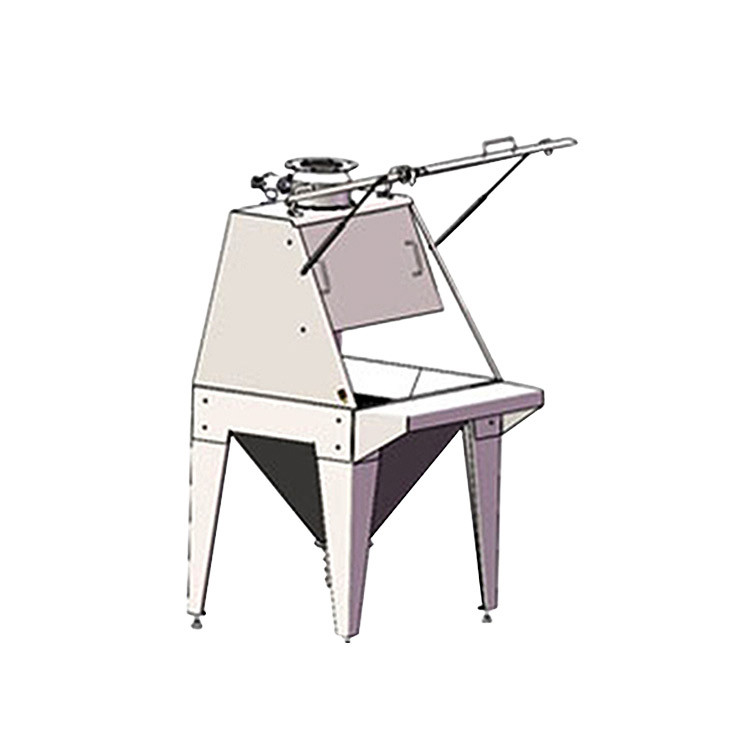
The three-way directional valve is composed of parts such as the valve body, valve plate, upper and lower seals, solenoid valve, cylinder, filter, and stroke switch. The valve body is equipped with one intake pipe and two initial pipes, or two intake pipes and one initial pipe. During operation, the solenoid valve controls the change in the cylinder's gas pressure through its de-energization and energization, which drives the cylinder piston to reciprocate. This movement causes the two valve plates connected to the piston rod to move up and down, controlling the opening and closing of the exhaust outlet. When it is necessary to open the exhaust pipes for A and B, the solenoid valves for A and B are energized; conversely, if the solenoid valves for A and B are de-energized, the exhaust pipes are closed.
The three-way directional valve can achieve closing before opening, and when used as a gas directional valve, it can prevent the intermixing of gas and flue gas during the directional change, thereby reducing the directional change loss of gas to zero. It can be installed on both sides of the furnace near the burner, and compared to a large four-way valve, it has a shorter pipeline, reducing the pipeline loss during gas directional change. The three-way directional valve is arranged in parallel with two channels: one for the air inlet and the other for the flue gas outlet. The third channel connects to the burner heat storage chamber. The valve disc is made of special high-temperature and corrosion-resistant sealing material, offering some sealing compensation properties, ensuring reliable sealing.
WeChat Official Account

Scan to follow Official Account


















