













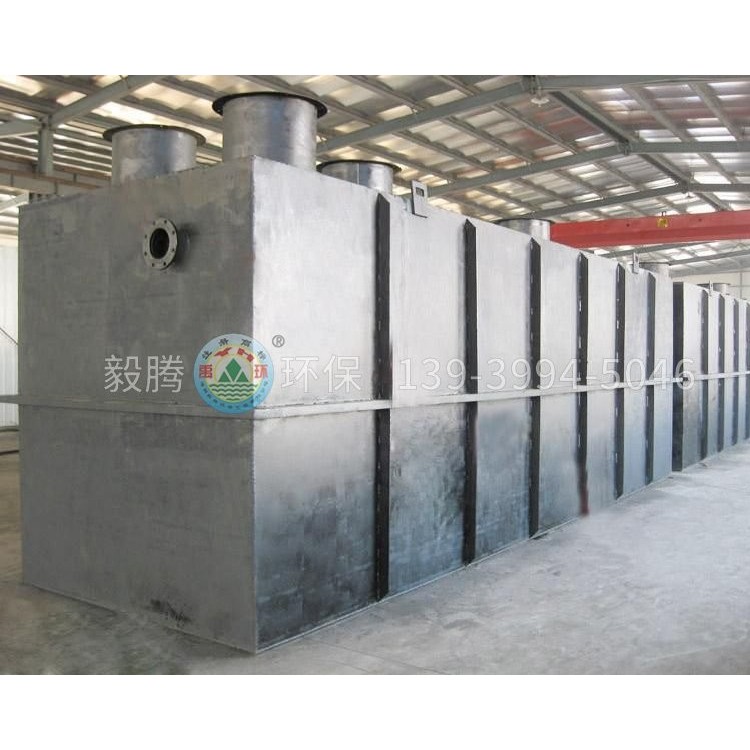
I. Product Overview
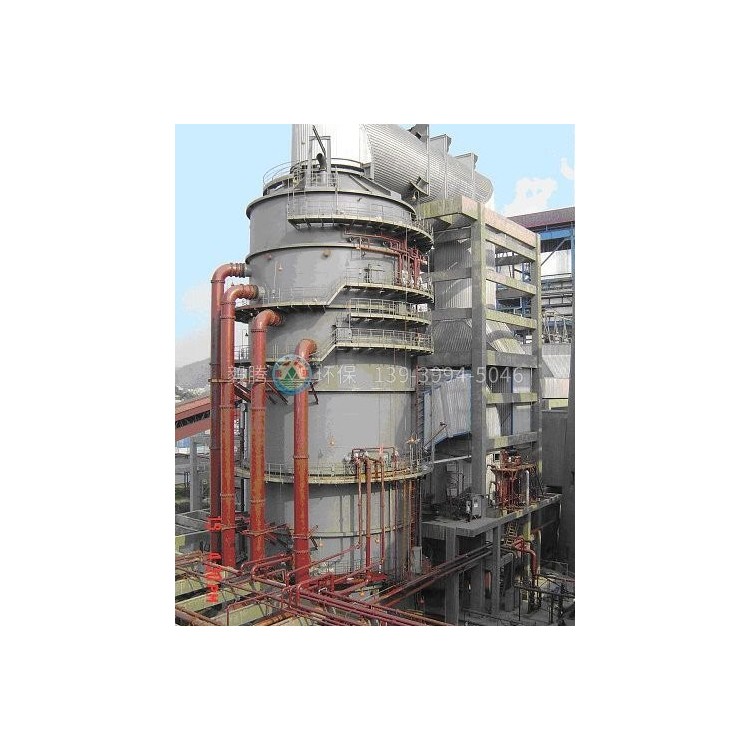
Sodium-Calcium Double Alkali Desulfurization Process [NaOH or Na2CO3/Ca(OH)2], developed on the basis of the limestone-gypsum method and combined with the sodium alkali method, is a mature desulfurization process currently in use domestically. This desulfurization system utilizes the water solubility of sodium salts to absorb SO2 from flue gas, and then regenerates the desulfurization solution using lime powder. As the entire reaction process occurs between the liquid and gas phases, it boasts high absorption rates, low liquid-to-gas ratios, high utilization of absorbents, and low investment and operational costs.
The desulfurization process involves a thorough gas-liquid mixing contact between flue gas and fine droplets of atomized liquid emitted from dozens of nozzles within the desulfurization absorption tower. This ensures that SO2 in the flue gas is fully absorbed and reacted by the desulfurization liquid, achieving the goal of dust removal and SO2 abatement. After desulfurization washing, the treated flue gas is further dehumidified by a demister at the top of the desulfurization absorption tower before being discharged into the atmosphere through the chimney. The desulfurization circulating liquid flows into a sedimentation pond through the bottom pipes of the tower, with the supernatant overflowing to the reaction and regeneration pond. Inside the pond, it undergoes regeneration reactions with lime milk. The regenerated liquid is then pumped into a circulating槽 before being added Na2CO3, and finally injected into the desulfurization tower to remove SO2 and be recycled. The desulfurization product, after oxidation, ultimately becomes gypsum slurry (CaSO4).
Section 2: Advantages of Sodium-Calcium Double-Base Desulfurization Process:
High desulfurization efficiency: The sodium calcium double alkali method [NaOH/Ca(OH)2] uses sodium alkali to absorb SO2 from flue gas. As a strong alkali, sodium alkali is highly active, reacts quickly and thoroughly, and has a high utilization rate of absorbent, making it easy to achieve a desulfurization efficiency of over 90%.
Technologically mature, with high operational reliability, it will not affect the safe operation of calcination due to desulfurization equipment failure.
High operational flexibility and strong adaptability to coal variations. Using alkali solution as a desulfurization agent, the process has good absorption effect. It can select appropriate liquid-gas ratios based on the sulfur content changes in the calcining furnace petcoke, ensuring the realization of the designed desulfurization rate.
The regeneration reaction and sediment separation occur outside the tower. The desulfurization process within the desulfurization absorption tower mainly involves the circulation of soluble sodium alkali solution, fundamentally overcoming the scaling issues in the desulfurization absorption tower and pipelines caused by using lime as a desulfurizing agent.
The sodium ash is recycled, with minimal loss and low operation costs.
Under normal operation, there is no wastewater discharge during the absorption process.
Gray water is easily settled and separated, significantly reducing the investment in water tanks.
The desulfurization residue is non-toxic, has a very low solubility, causes no secondary pollution, and can be comprehensively utilized.
The sodium alkali absorbent has high reaction activity and rapid absorption speed, which can reduce the liquid-gas ratio, thereby lowering operation costs while also reducing investments in ponds, pumps, and pipelines.
Lime as a regenerative agent (actual consumable), inexpensive and readily available, with low operational costs.
Section 3: Principle of Sodium-Calcium Double-Base Desulfurization Process
Soda-Lime Double-base Method (Na2CO3/Ca(OH)2) utilizes soda ash as the starting material, and employs a process where sodium and calcium absorb SO2 and lime is regenerated.
The basic chemical principles are divided into desulfurization process and regeneration process:
Desulfurization Process
Na2CO3+SO2→Na2SO3+CO2(1)
2NaOH+SO2→Na2CO3+H2O(2)
Na2CO3+SO2+H2O→NaHSO3(3)
(1) Type is absorption start-up reaction type.
(2) The reaction in (2) is the primary reaction, with pH > 9 (highly alkaline)
(3) When the alkalinity drops to neutral or slightly acidic levels (5 < pH < 9)
【Regeneration Process】
2NaHSO3+Ca(OH)2→Na2SO3++CaSO3↓+2H2O(4)
Na2SO3+Ca(OH)2→2NaOH+CaSO3↓(5)
CaSO3+1/2O2→CaSO4(6)
In the slaked lime slurry (where lime is in a saturated state), the neutral (amphoteric) NaHSO3 reacts rapidly with the lime to release [Na+]. Subsequently, the formed [SO32-] continues to react with the lime, leading to the slow precipitation of calcium sulfite as a hemihydrate. This process regenerates [Na+], restoring the absorbent liquid's ability to absorb SO2, enabling its cyclic reuse.
The desulfurization by-products are calcium sulfite and calcium sulfate. The owner processes the by-products according to their own needs.
Section 4: Performance Warranty
★High desulfurization efficiency, generally ≥90%. ★Low resistance in desulfurization system, △P≤800Pa.
★ The regeneration reaction of the circulating liquid is fully effective. ★ After desulfurization, the residual moisture in the flue gas is ≤75mg/Nm³.