



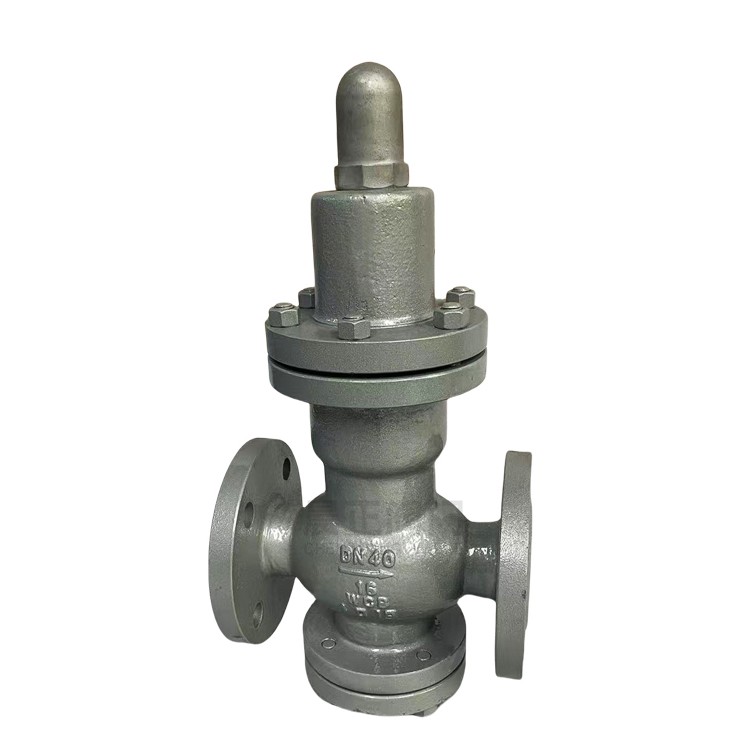










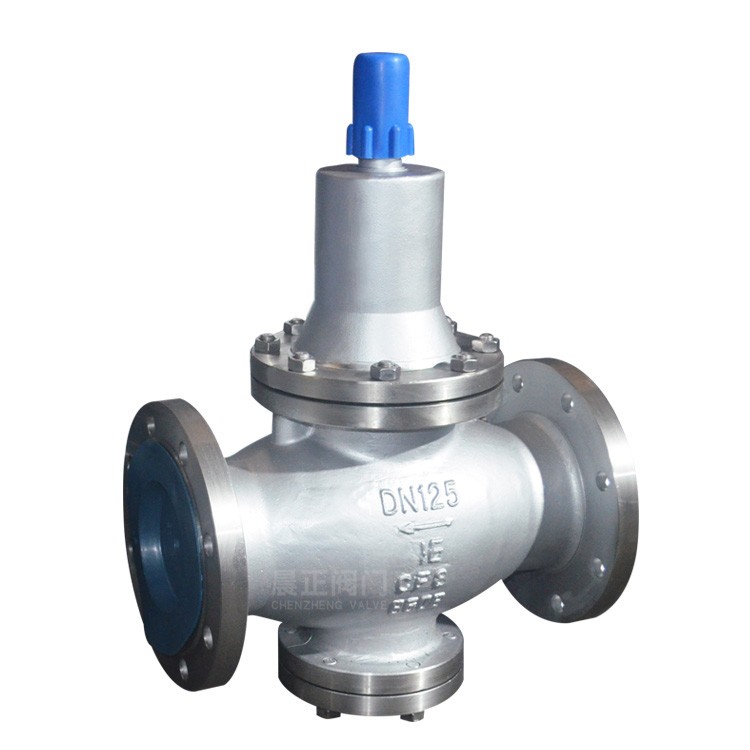

A steam pressure reducing valve is a specialized device used in steam pipeline systems to lower the high-pressure steam to the required lower pressure while maintaining pressure stability. Below is a detailed introduction to it:
Working Principle
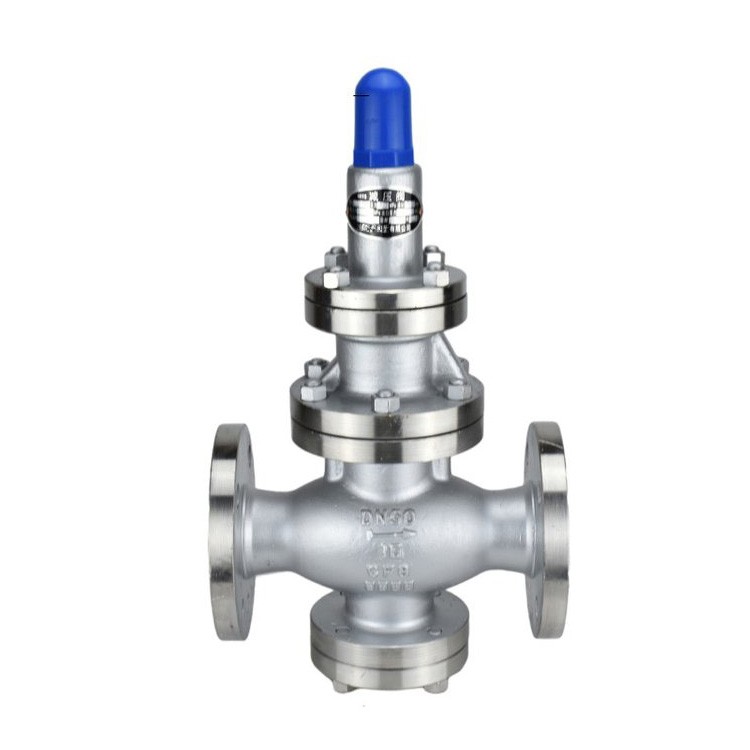
Direct-acting: The steam pressure acts directly on the valve disc. When the outlet pressure increases, the steam pressure pushes the valve disc to close, reducing the steam flow and thereby lowering the outlet pressure; conversely, when the outlet pressure decreases, the valve disc opens, increasing the steam flow to raise the outlet pressure. This type has a simple structure but lower accuracy, suitable for applications where pressure and flow variations are minimal.
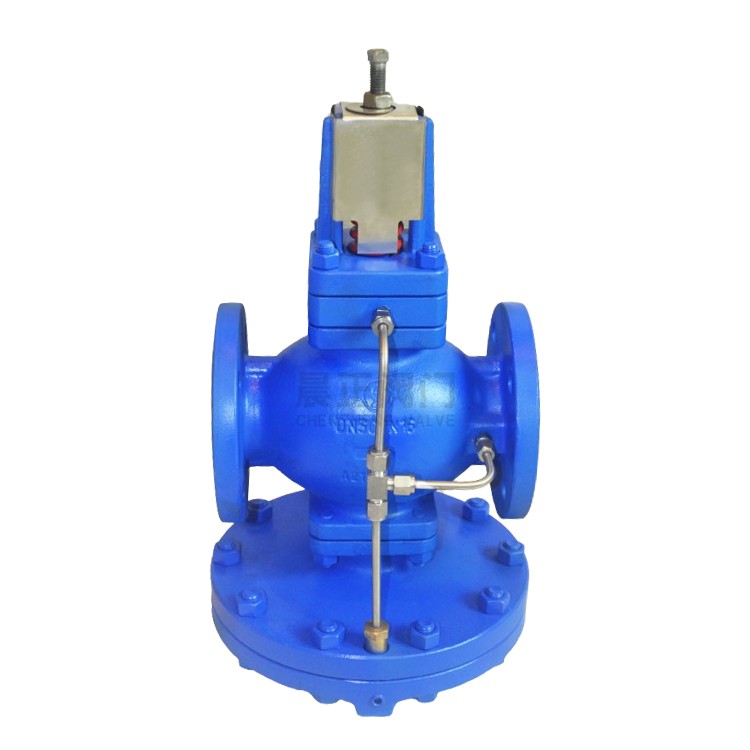
Pilot Type: Composed of a main valve and a pilot valve. The pilot valve controls the opening degree of the main valve based on changes in the outlet pressure. When the outlet pressure changes, the pilot valve acts first, regulating the pressure in the upper chamber of the main valve's diaphragm, which in turn causes the valve disc to open wider or narrower accordingly, thus controlling steam flow and outlet pressure. The pilot-type steam pressure-reducing valve has high precision and can adapt to significant changes in pressure and flow rates.
Structural Features
Typically, a piston or bellows structure is employed. The piston design is suitable for high-temperature, high-pressure steam applications, offering excellent sealing and durability; while the bellows design boasts better sensitivity and stability, adapting well to pressure fluctuations and preventing contact between the medium and components like springs, thereby reducing corrosion.
Steam pressure reducing valves typically feature inlet and outlet connections, as well as an adjusting mechanism for pressure regulation. Some pressure reducing valves are also equipped with safety valves to prevent excessive outlet pressure and ensure system safety.
Performance Parameters
Import Pressure Range: Refers to the pressure interval of the inlet steam that the pressure reducing valve can operate normally. The import pressure range of different models of pressure reducing valves varies, generally from a lower pressure (such as 0.1MPa) to a higher pressure (such as 10MPa or even higher).
Export Pressure Range: This is the adjustable and stable steam pressure range of the pressure reducing valve, typically lower than the inlet pressure. It can be adjusted within a certain range according to actual requirements, such as 0.05 - 0.8MPa.
Flow Coefficient: Reflects the ability of the pressure reducing valve to pass steam under different pressure differences. The higher the flow coefficient, the greater the steam flow the valve can pass at the same pressure difference. Typically, a pressure reducing valve with an appropriate flow coefficient is selected based on the steam flow demand of the pipeline system.
Application Scenarios
In industrial production, widely used in various equipment requiring steam as a heat source, such as steam boilers, heat exchangers, drying equipment, etc., to ensure stable operation of these devices under appropriate steam pressure, enhancing production efficiency and product quality.
In HVAC systems, used to transport steam to various terminal equipment such as radiators and fan coils, providing a comfortable indoor temperature environment for buildings through pressure reduction and stabilization, while also saving energy.
In specialized applications requiring steam pressure control, such as food processing and other industries, steam pressure reducing valves ensure the stability of steam pressure during the process, meeting the stringent requirements of the production technology.












