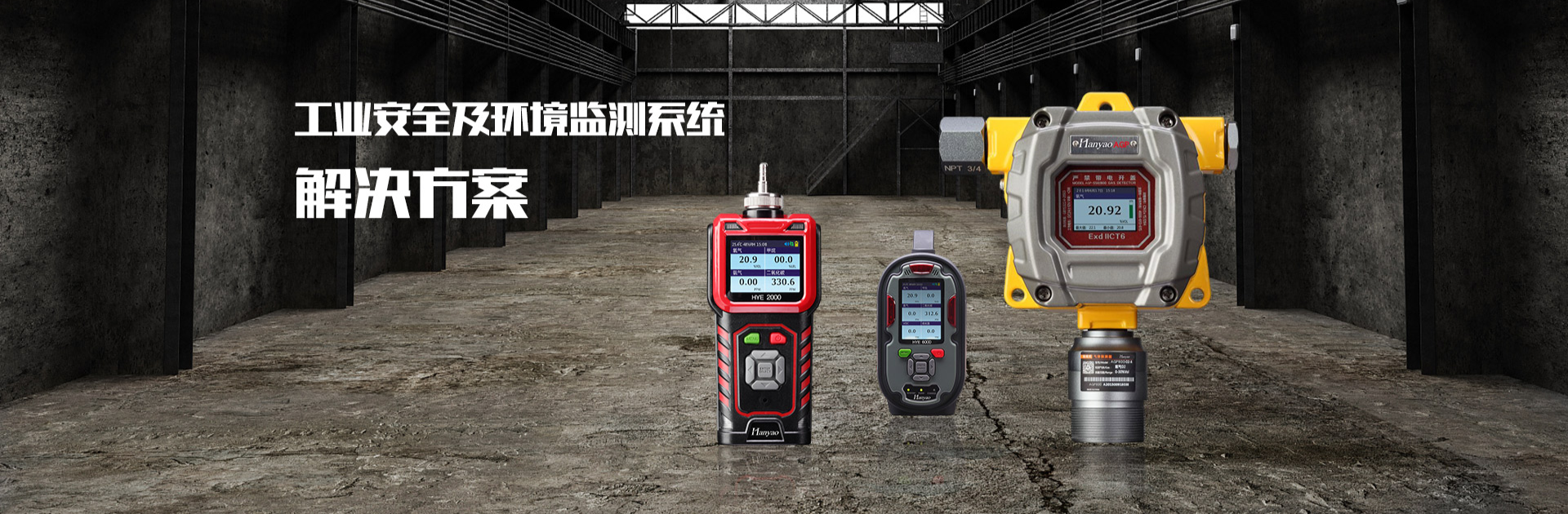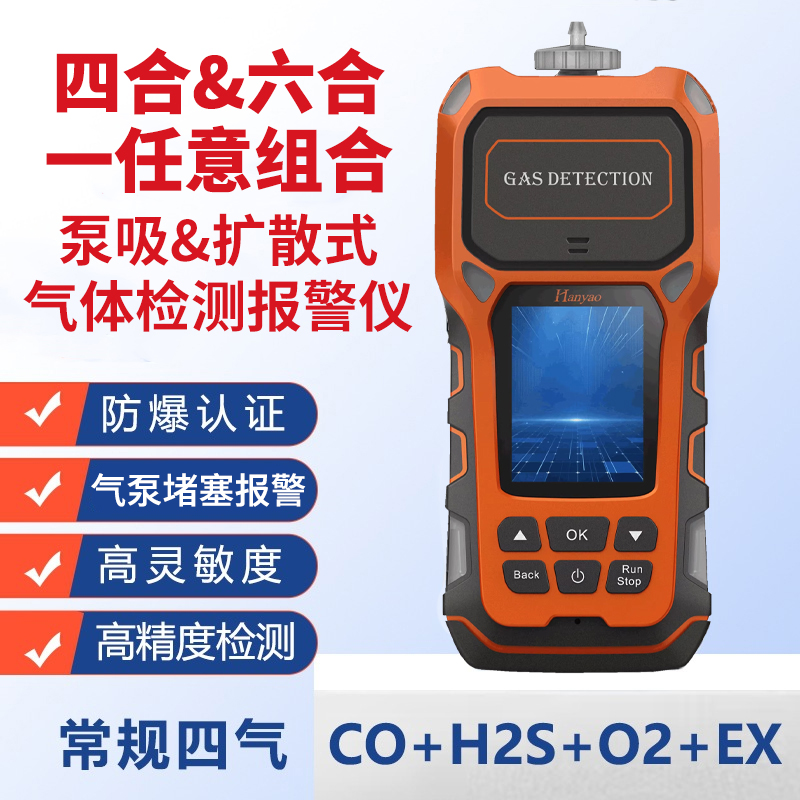

Focused on gas detection and alarm systems, including fla...

Clarity on Inspection Regulations
When selecting a gas detector, the first step is to determine what gas needs to be detected, in what environment it will be used, whether a portable or fixed model is required, and any additional features. These are some of the elements that are typically considered.
▶▶▶ Confined Spaces: Prior to entry into confined spaces such as reaction vessels, sewage pipes, other underground pipelines, underground facilities, or tunnels, thorough inspections must be conducted both inside and outside the space. At this point, a multi-gas detector equipped with an internal sampling pump is necessary. Due to significant variations in gas distribution and types between different regions (upper, middle, lower) within the confined space, this measure ensures the safety of workers entering such environments.
Open-air locations such as open production workshops should utilize portable, wearable gas detectors that can continuously and accurately display the concentration of harmful gases in real-time. Additionally, they should be equipped with vibration alerts to ensure they are audible in noisy environments, and have data storage capabilities to record peak values, providing specific guidance for employee health and safety.
Understanding Environmental Conditions Adopted
Gas detectors have stringent requirements for the site environment, including dust and flow rates. Impurities in the environment can significantly disrupt test results, causing unforeseen damage. Therefore, when purchasing a gas detector, it's essential to clearly describe the operating environment conditions to allow manufacturers to provide corresponding implementation plans for handling.
Understand the site safety conditions
Generally, assembly sites for gas detectors must meet stringent requirements such as explosion-proof. The coal, oil, and chemical industries have particularly strict explosion-proof standards, necessitating that the instruments themselves are explosion-proof and come with explosion-proof certifications. Other environments may require gas detectors to have environmental certifications or measurement instrument licenses, among other documents.
Understand the functional requirements of use
Gas detectors typically function to measure gas concentration levels and trigger alarms for exceeding thresholds. However, users demand more than just these basic functionalities; they require features like signal output, current output, digital signal output, voltage output, and switch quantity output. There may also be specific requirements such as network interfaces and wireless signals. Additionally, data recording and processing capabilities are often expected. These are the specific functional requirements that should be carefully considered when selecting a gas detector.


www.114global.com © Zhongshang 114 Hebei Network Technology Co., Ltd.Address: Room 6009, Oriental New World Center, No.118 East Zhongshan Road, Qiaoxi District, Shijiazhuang City, Hebei ProvincePlatform Service Hotline: 4006299930