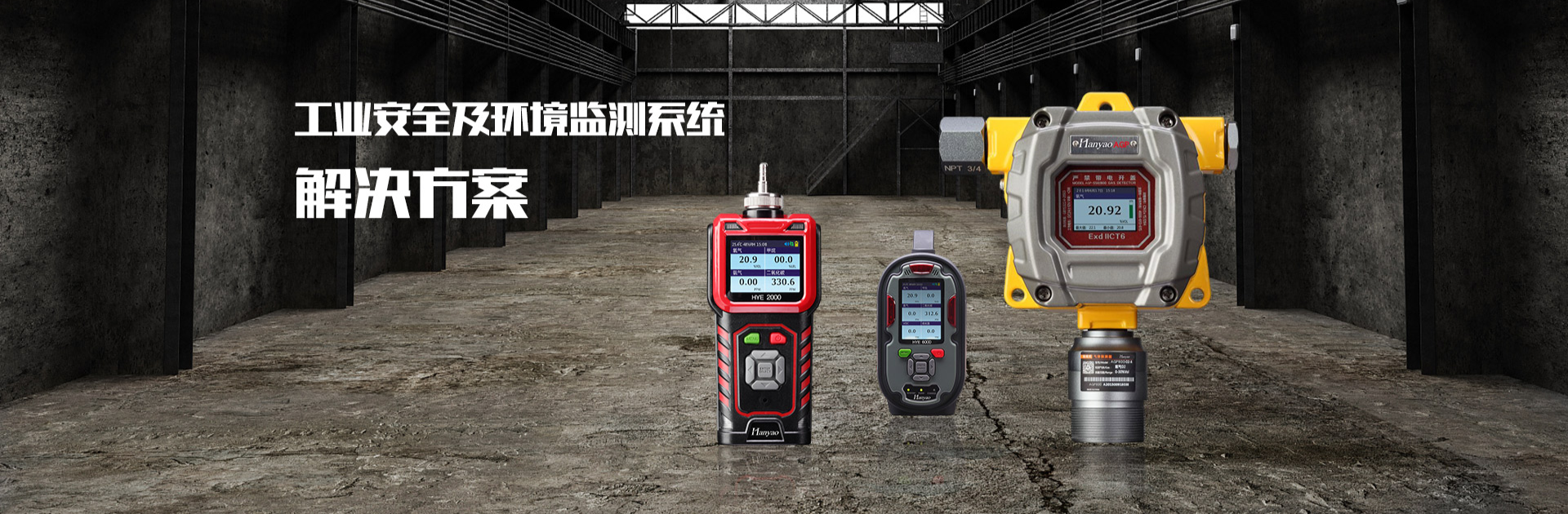

Focused on gas detection and alarm systems, including fla...

The "abilities" of gas detectors vary at their core due to differing principles and types. Only by first clarifying their classifications can we accurately match them to their usage scenarios, ensuring safety protection is not misaligned.
I. Core Differences Among the 4 Mainstream Detectors Based on Detection Principle
Catalytic Combustion Detectors: Heat is generated through oxidation reactions between combustible gases and the sensor surface, which are then converted into electrical signals via temperature changes. Features include sensitivity to CH4,C₃H₈Our sensors for common combustible gases have high sensitivity, but they rely on oxygen and cannot be used in oxygen-free environments (such as sealed tanks) and cannot differentiate between specific types of combustible gases.
Electrochemical Gas Detectors: Utilize the chemical reaction between gas and electrodes to generate current, with the intensity of the current positively correlated with the gas concentration. Advantages include targeted detection of toxic gases like CO and H2S with high precision; however, they have a shorter lifespan (1-3 years), are prone to failure due to "poisoning" from long-term exposure to high concentrations of gas, and each sensor corresponds to only one or a few types of gases.
Infrared Detectors: Detects gases based on their differential absorption of specific infrared light. Advantages include good stability, long lifespan (over 5 years), unaffected by oxygen, and the ability to detect CH4, carbon dioxide, etc. Disadvantages are its insensitivity to small-molecule gases, significant impact from environmental temperature and humidity, and higher cost.
Semiconductor Detectors: Achieve detection by altering the semiconductor's resistance value through gas adsorption. Characterized by low cost and rapid response, these detectors can identify a variety of gases; however, they have low accuracy and are susceptible to interference (such as alcohol or smoke, which may cause false alarms), making them suitable for broad-spectrum early warning scenarios where precision is not a high priority.
Two: By installation method, scene compatibility for 2 types of detectors
Fixed-Installation Detectors: These require permanent installation at specific locations and are often equipped with wired power supply for continuous long-term monitoring. Suitable for scenarios such as industrial workshops (e.g., next to chemical reaction vessels, underground in coal mines), commercial venues (e.g., hotel gas equipment rooms, shopping mall power distribution rooms), capable of real-time monitoring of gas concentrations in fixed areas. They can also be integrated with exhaust fans, shutoff valves, and other equipment, ideal for environments requiring ongoing protection.
Portable Detector: Compact, handheld, and battery-powered, ideal for on-the-go inspections. Suitable for scenarios such as pre-inspection of toxic gases in confined spaces (e.g., underground pipeline maintenance), routine patrols (e.g., spot checks at different locations in the factory), and emergency home use (e.g., temporary detection in case of suspected gas leakage). Highly flexible, it meets the demand for "as-needed testing."
Three: Key to Scene Adaptation - Select the Right Type as Needed
Industrial Combustible Gas Detection (e.g., oil storage areas): Prefer fixed catalytic combustion detectors for long-term stable monitoring and source shutdown interlock.
Family CO Detector (for stove heating and gas water heaters): Choose a portable or fixed electrochemical sensor for accurate early warnings and prevent poisoning.
Mall Monitors CO2 Levels (Ventilation Compliance): Opt for fixed infrared detectors, offering long lifespan and excellent stability.
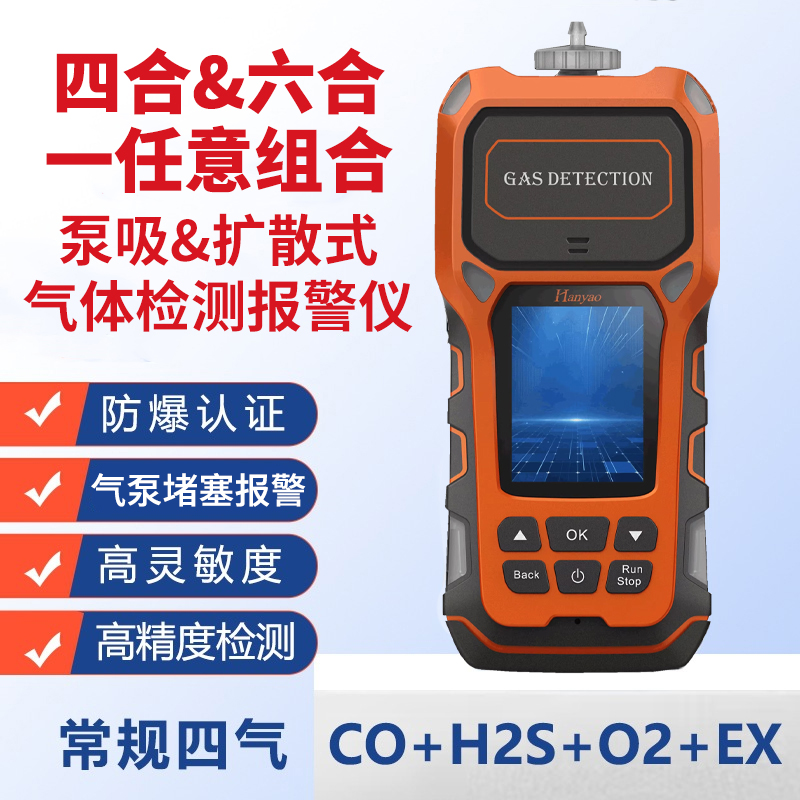
Temporarily Detect Various Gases in Limited Spaces: Choose Portable Multi-Gas Detectors (integrated with electrochemical, semiconductor, and various other sensors), balancing flexibility and broad-spectrum early warnings.
The key to choosing the right gas detector lies in matching the "principle characteristics" with the "scene requirements"—not that the more expensive the better, but the more compatible, the safer it is.


www.114global.com © Zhongshang 114 Hebei Network Technology Co., Ltd.Address: Room 6009, Oriental New World Center, No.118 East Zhongshan Road, Qiaoxi District, Shijiazhuang City, Hebei ProvincePlatform Service Hotline: 4006299930