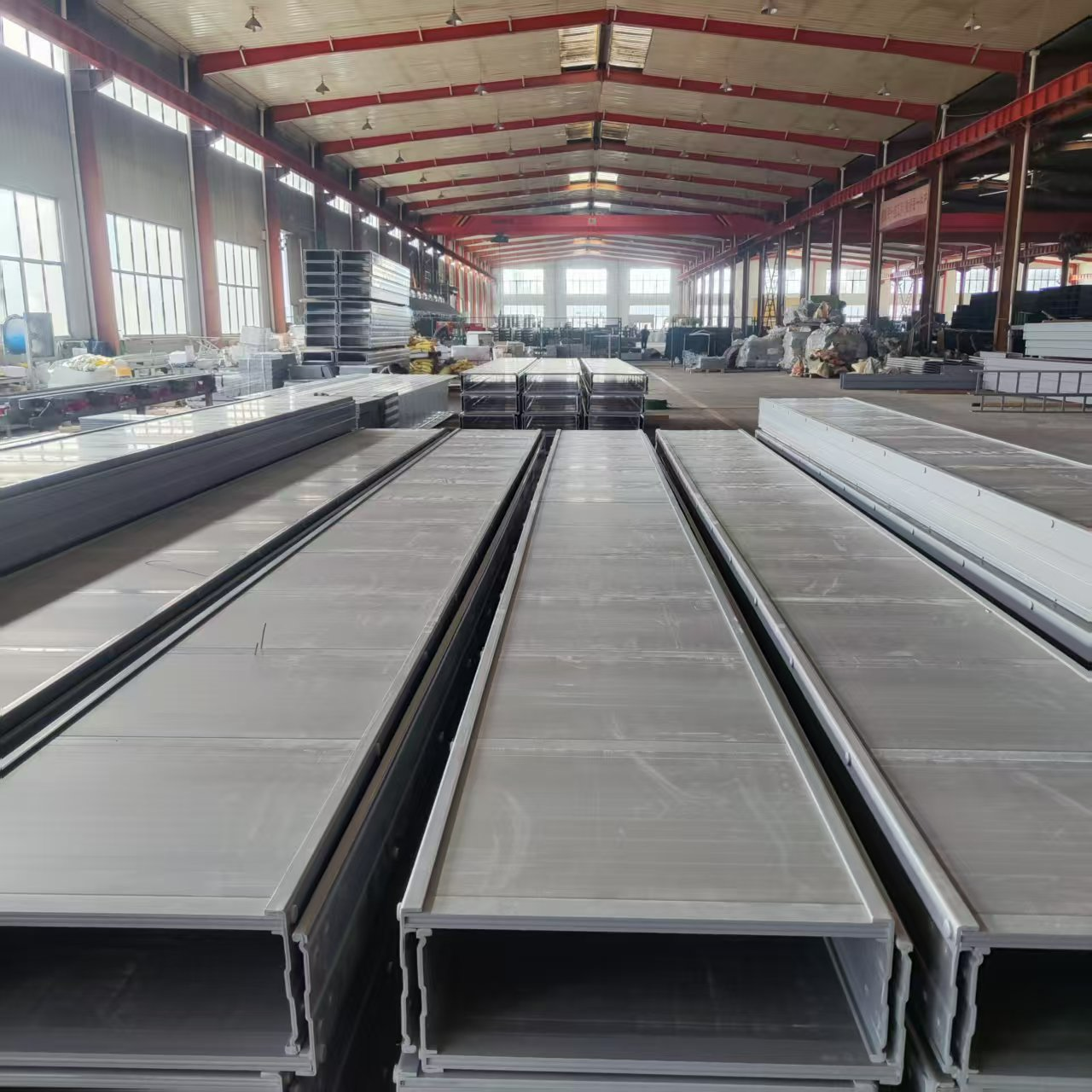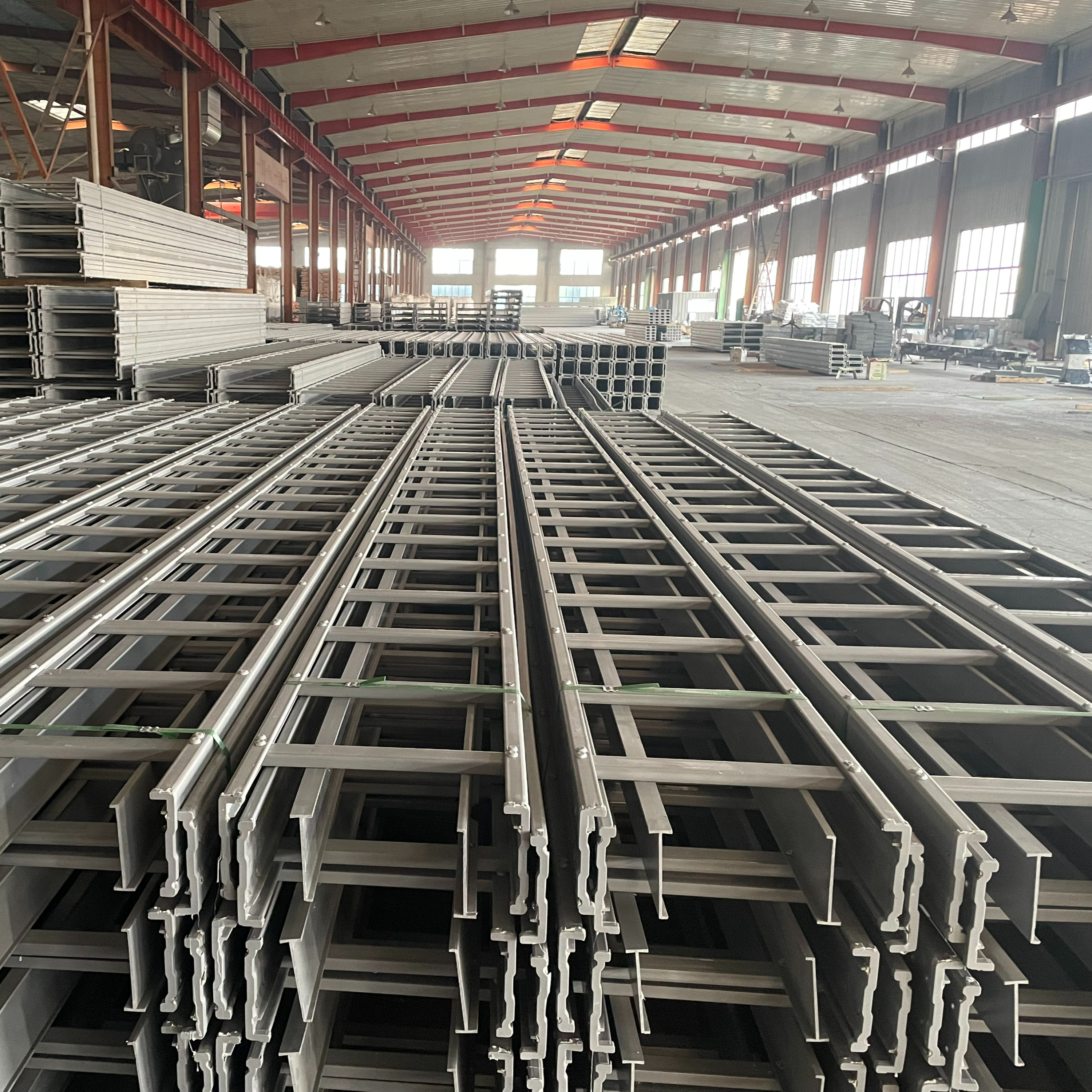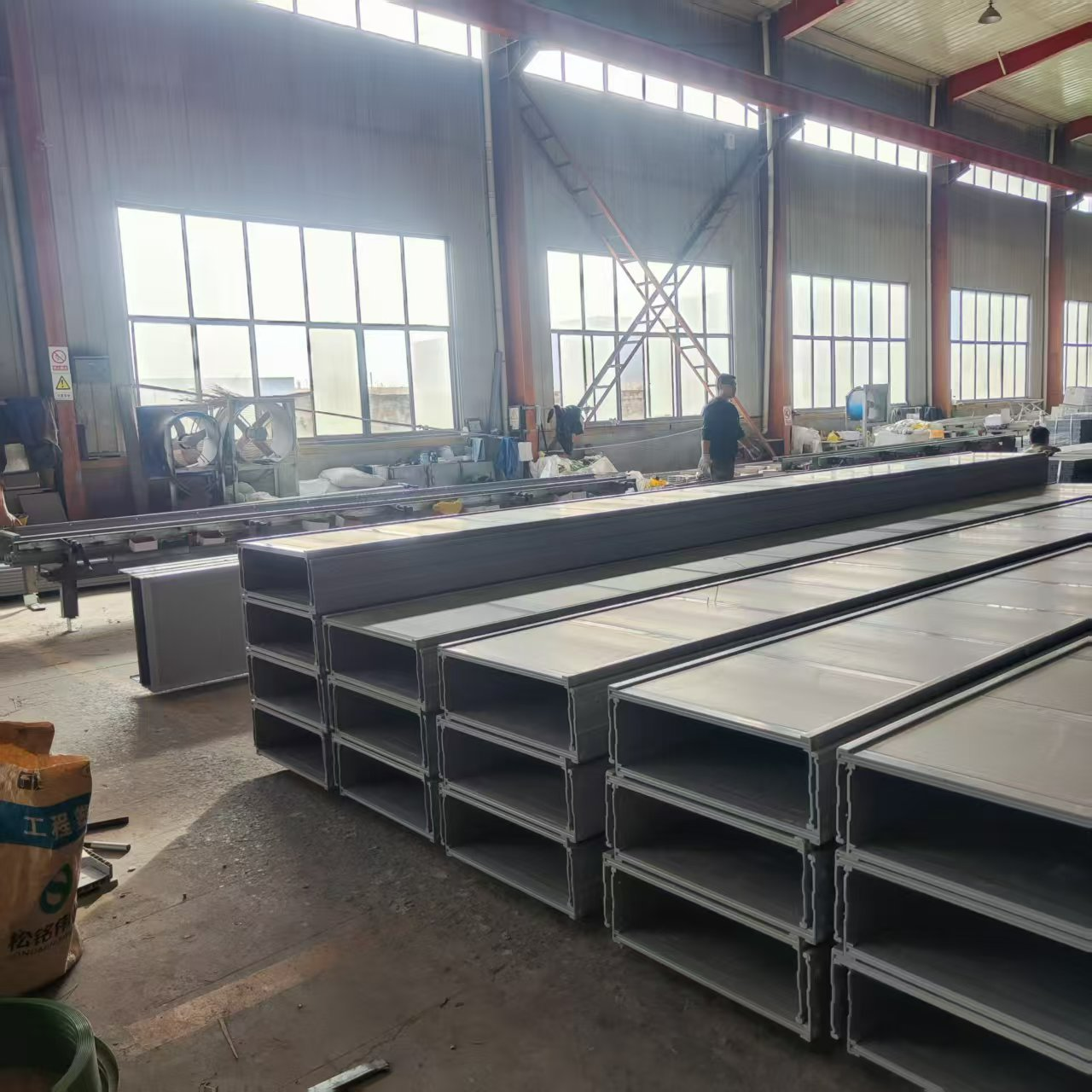
High-Density Polyethylene Bridge Channels, Hot-Dip Galvan...

What are the characteristics and application scopes of aluminum alloy bridge beams? The following article will provide a detailed analysis for you!
Aluminum alloy has a low density but high strength, comparable to or exceeding that of high-quality steel. It exhibits excellent plasticity, allowing for the fabrication of various profiles. It boasts superior electrical conductivity, thermal conductivity, and corrosion resistance, making it widely used in industry and the second most utilized material after steel.
Aluminum alloys are divided into two main categories: cast aluminum alloys, which are used in their cast state; and wrought aluminum alloys, which can withstand pressure processing and have higher mechanical properties than the cast state. They can be processed into various shapes and sizes of aluminum materials. Primarily used in the manufacturing of aerospace equipment, everyday consumer products, and architectural windows and doors.
Aluminum alloy cable trays boast attractive appearances, simple structures, unique designs, high load-bearing capacity, and light weight. After being anodized, these trays not only exhibit excellent corrosion resistance but also provide electromagnetic interference protection, particularly against shielding interference, a feature that cannot be matched by steel trays. Aluminum alloy cable trays are essential in modern industry and infrastructure.National DefenseModern high technology holds significant practical value.
Aluminum alloy bridge beams feature excellent corrosion resistance, making them suitable for various industries such as power plants, chemical, and petrochemical sectors, particularly for environments with high corrosion. Extruded side edges and crossbars provide a smooth surface finish. With reasonable processing techniques and connection methods, installation is convenient, and the large-span disk-shaped straight-through beams can support up to 6 meters in load capacity. The aluminum alloy disk-shaped bottom plates can be designed in flat or embossed stamping structures as required.
Some aluminum alloys can be heat-treated to achieve excellent mechanical, physical, and corrosion-resistant properties.
Aluminum alloys can be categorized by their chemical composition into aluminum-silicon alloys, aluminum-copper alloys, aluminum-magnesium alloys, aluminum-zinc alloys, and aluminum rare earth alloys. Among these, aluminum-silicon alloys further divide into simple aluminum-silicon alloys (which cannot be heat treated for strengthening, have lower mechanical properties, but good casting properties) and special aluminum-silicon alloys (which can be heat treated for strengthening, have higher mechanical properties, and good casting properties).


www.114global.com © Zhongshang 114 Hebei Network Technology Co., Ltd.Address: Room 6009, Oriental New World Center, No.118 East Zhongshan Road, Qiaoxi District, Shijiazhuang City, Hebei ProvincePlatform Service Hotline: 4006299930