High-Density Polyethylene Bridge Channels, Hot-Dip Galvan...

As the economy rapidly develops, the application of glass fiber reinforced plastic bridge structures becomes increasingly widespread. Understanding and utilizing them effectively promotes safe production and operation.
Composition of Glass Reinforced Plastic Bridge Trays:
The glass fiber reinforced plastic bridge truss is composed of glass fiber reinforced plastic, flame retardants, and other materials, formed by compression molding with a composite material and a stainless steel shielding mesh.
The BHQ series fiberglass bridgeways can be suspended overhead on process pipelines, hung under floors and beams, and installed laterally on indoor and outdoor walls, column walls, tunnels, and cable trench walls. They can also be mounted on exposed columns or abutments. For large multi-layer bridgeways, it is recommended to install I-beam columns symmetrically on both sides. The bridgeways can be laid horizontally and vertically, can be angled, and have T-shaped and cross-shaped branches; they are adjustable in width, height, and diameter.
Basic Categories:
1. Channel-type cable tray
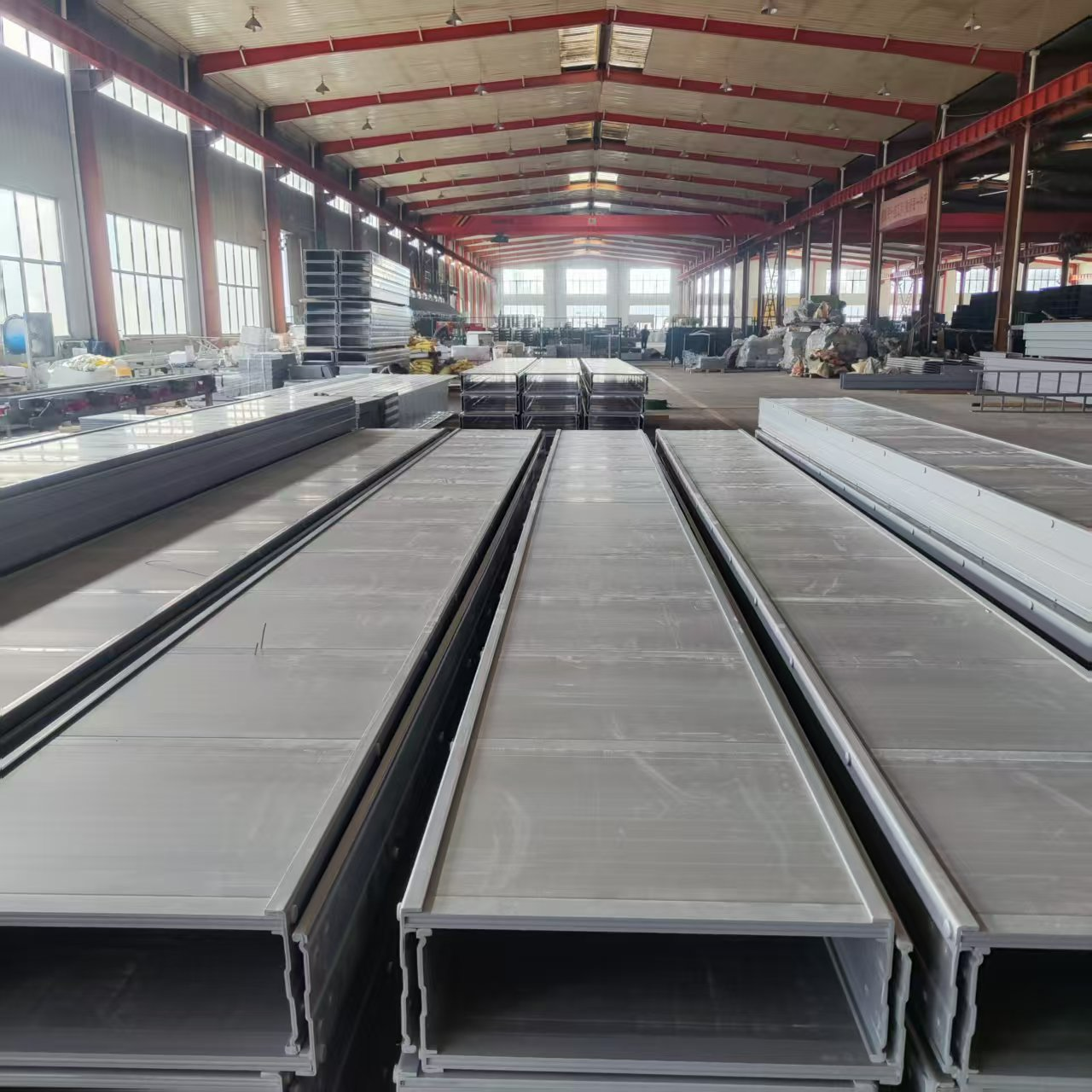
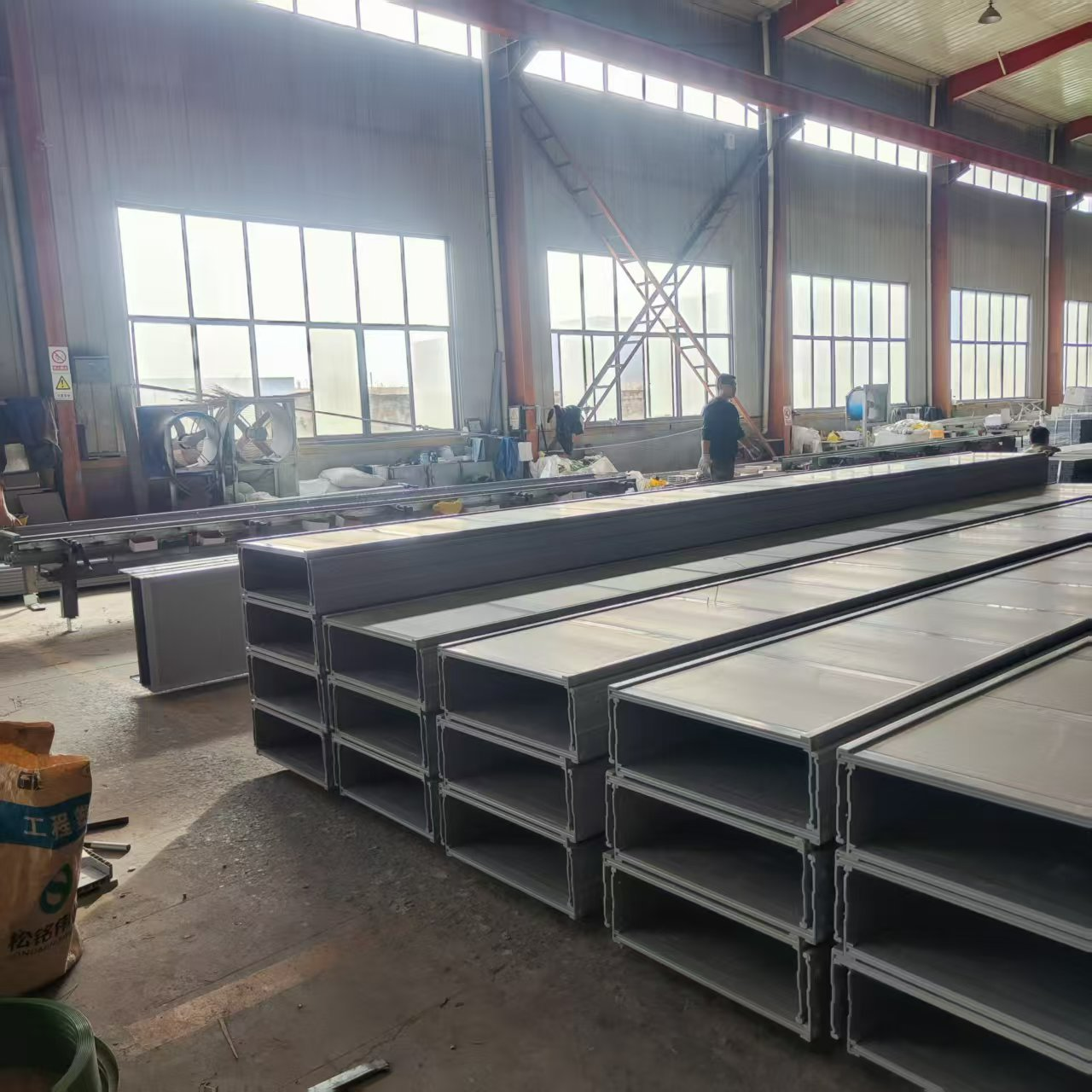
A fully enclosed cable bridge that is suitable for laying computer, communication, thermocouple, and other high-sensitivity system control cables, offering excellent protection against shielding interference and heavy corrosion environments.
2. Tray-type Cable Bridge
It boasts lightweight, high-load capacity, attractive design, simple structure, and easy installation. It is suitable for both the installation of power cables and the laying of control cables.
Step Cable Bridge Fitting
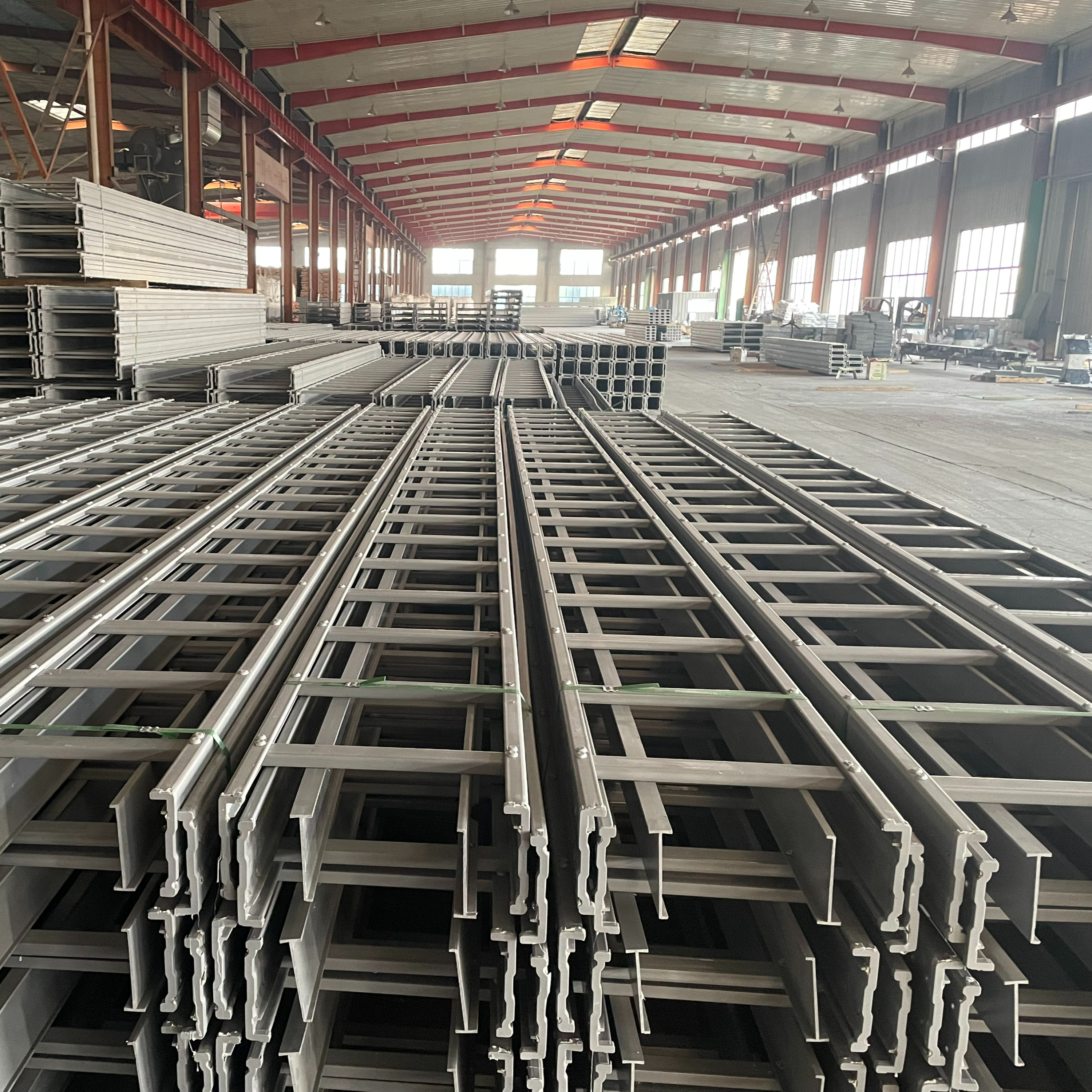
Ideal for laying cables with general large diameters, particularly suitable for high and low-voltage power cables. Glass fiber, aluminum alloy, and large-span cable trays. Also includes cable conduits, cable screens, elbow fittings, tees, crosses, and straight-throughs, as well as brackets and hangers.
4. Epoxy Resin Composite Cable Tray
Traditional metal bridge supports have a thin protective coating that is prone to damage during transportation and installation, and the surface features micro-pores through which corrosive gases can easily penetrate, affecting the protective effect. Non-metallic cable bridge supports have stronger corrosion resistance but lack mechanical strength. In response to these issues, our company has developed and manufactured epoxy resin composite cable bridge supports: they incorporate a metal frame within the epoxy resin cable bridge, retaining the original characteristics of the epoxy resin bridge while enhancing mechanical strength, allowing for the support of large-diameter cables with spans up to 12 meters. To address the delamination problem caused by different expansion coefficients between metal and non-metal materials, a bonding layer is added between them. To solve issues of easy powdering and aging, a protective layer with special functions like resistance to light is molded onto the surface of the bridge. The epoxy resin composite cable bridge has been certified by relevant authorities to have a service life of over 30 years; this product has been in use for 15 years without signs of fading or aging. The epoxy resin composite cable bridge is suitable for use in corrosive environments, with large spans, and under heavy loads. When crossing areas prone to external mechanical damage or outdoors, protective covers should be used for the cable bridge. Various elbow connections can be used for cable channels or ladders when branching.


www.114global.com © Zhongshang 114 Hebei Network Technology Co., Ltd.Address: Room 6009, Oriental New World Center, No.118 East Zhongshan Road, Qiaoxi District, Shijiazhuang City, Hebei ProvincePlatform Service Hotline: 4006299930