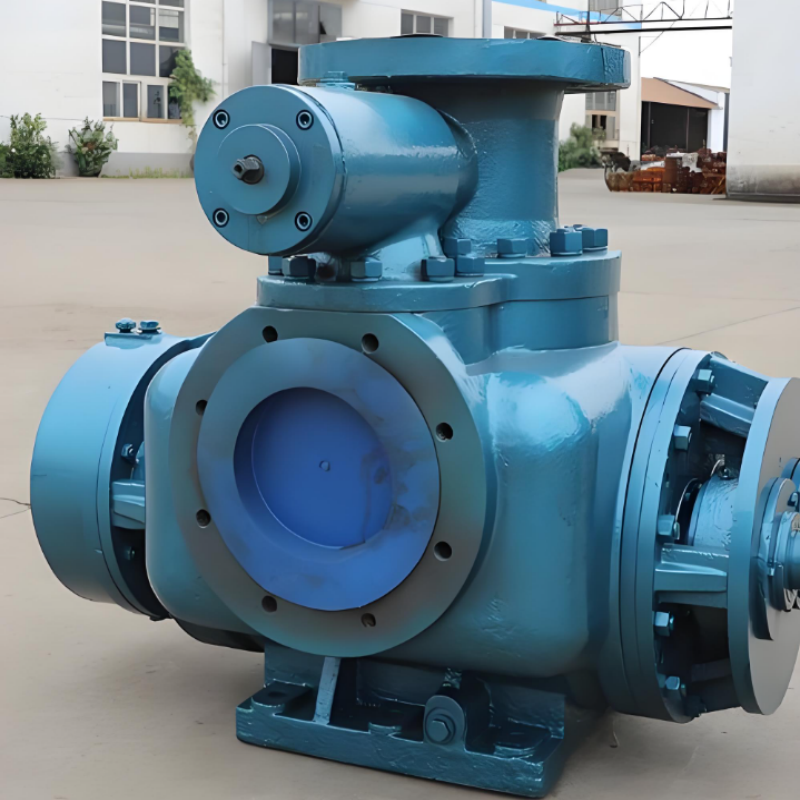

Screw pumps, magnetic pumps, vacuum units, diaphragm pump...

Centrifugal Viewpoint
Centrifugal force is actually a manifestation of an object's inertia. For instance, the water droplets on an umbrella will follow the umbrella's rolling motion due to the friction between the umbrella and the droplets, which acts as the centrifugal force on the water droplets. However, if the umbrella accelerates and the friction is insufficient to keep the water droplets in circular motion, the droplets will move away from the umbrella towards the outer edge. Just like when a stone is swung in a circular motion with a rope, if the speed is too fast, the rope will break and the stone will fly out. This is what is referred to as centrifugal force.
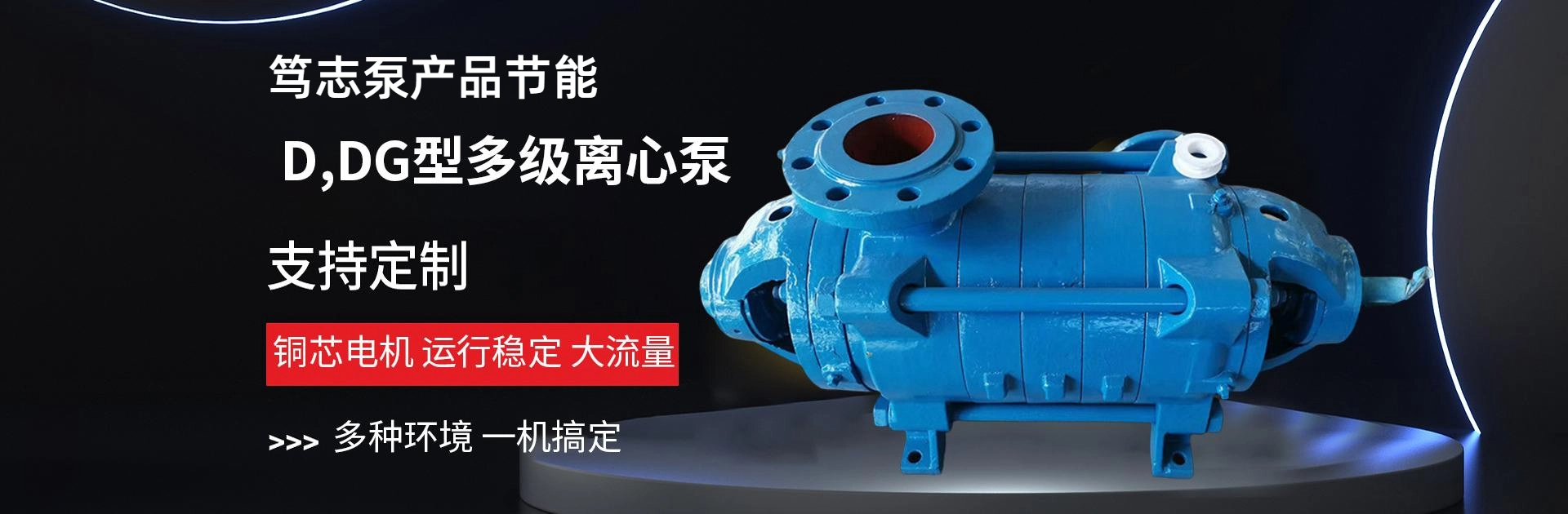
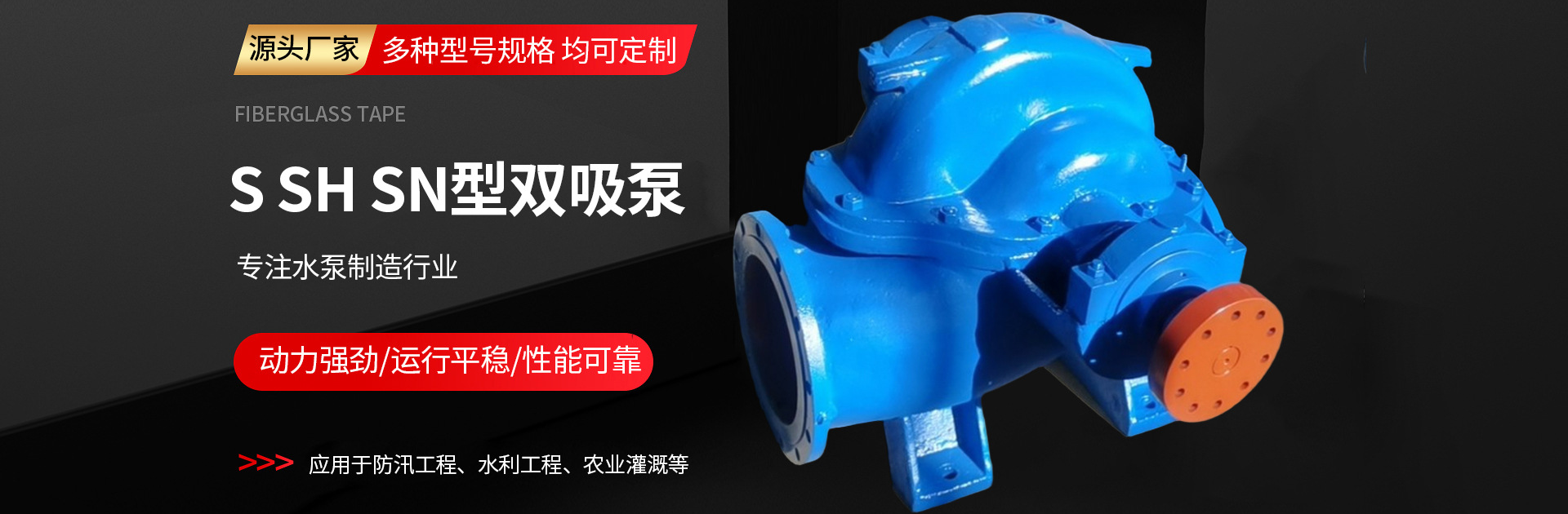
Centrifugal pumps operate based on this principle. The rapidly rotating impeller blades mobilize water to roll and be ejected, thereby achieving the goal of transportation.
Centrifugal pumps come in various types. They can be categorized by application into residential and industrial pumps, and by the medium they transport into clean water pumps, sludge pumps, corrosion-resistant pumps, and more.
Centrifugal Pump Fundamental Organization
The fundamental structure of centrifugal pumps consists of six components: impeller, pump housing, pump shaft, bearings, sealing rings, and stuffing box.
The impeller is the focal part of the centrifugal pump, characterized by its high rotational speed and strong output force. The blades on the impeller play a primary role. The impeller must undergo a static balance test before installation. The surface of the impeller should be smooth to minimize water flow friction loss.
2. The pump housing, also known as the casing, is the main body of the pump. It supports the flow and is connected to the bracket of the device bearing.
The shaft of the pump serves to connect the motor via a coupling, transferring the motor's torque to the impeller, making it the primary component for transmitting mechanical energy.
4. Bearings are components that fit onto the pump shaft to support it, and they come in two types: rolling bearings and sliding bearings. Rolling bearings use cow oil as a lubricant, and it's crucial to add the right amount, typically between 2/3 to 3/4 of the volume. Too much oil can cause overheating, while too little will result in noise and overheating! Sliding bearings in centrifugal pumps are lubricated with transparent oil, and the oil level should be maintained at the line. Too much oil can seep along the pump shaft and cause foaming, while too little can overheat the bearing and lead to damage or accidents! During the operation of the water pump, the highest bearing temperature can reach 85 degrees, with normal operation typically around 60 degrees. If the temperature is too high, investigate the cause (whether there's impurities, if the oil has turned black, or if water has entered) and address it immediately!
5. Sealing rings, also known as leakage reduction rings, are installed at the junction between the impeller outlet and the pump casing to prevent water from the low-pressure area inside the pump from flowing into the high-pressure area through the gap, which affects the pump's output. Excessive gaps can lead to wear and tear due to friction between the impeller and the pump casing. To increase backflow resistance, reduce internal leakage, and extend the service life of the impeller and pump casing, a sealing ring is fitted at the inner edge of the pump casing and the outer assist connection of the impeller. The sealed gap should be maintained between 0.25 to 1.10 mm.
6. The stuffing box is primarily composed of packing, water seal ring, packing cylinder, packing cover, and water seal pipe. The primary function of the stuffing box is to seal the gap between the pump casing and the shaft, preventing the flow of water from within the pump to the surface and vice versa, as well as keeping ambient air from entering the pump. It maintains a vacuum inside the pump at all times! When friction between the pump shaft and packing generates heat, the water seal pipe channels water into the water seal chamber to cool the packing! Ensuring the pump operates normally. Therefore, during the pump's operation and routine inspection process, special attention should be given to the inspection of the stuffing box. A replacement of the packing should be carried out approximately every 600 hours of operation.
Subject: Matters Regarding Centrifugal Pumps
The impeller is installed inside the pump housing 2 and securely fastened to the pump shaft 3, which is driven indirectly by an electromechanical actuator. The center of the pump housing features a liquid intake 4 that connects to the intake pipe 5. The liquid enters the pump through the bottom valve 6 and the intake pipe. The liquid discharge port 8 on the pump housing is connected to the discharge pipe 9. Prior to starting the centrifugal pump, the pump housing is filled with the liquid to be transported; upon start-up, the impeller rotates rapidly along the shaft, and the liquid between the blades must also rotate. Under the influence of centripetal force, the liquid is thrown outward from the center of the impeller to the edge, gaining energy and exiting at high speed into the volute pump housing. In the volute, the liquid accelerates due to the gradual expansion of the channels, transforming some of its kinetic energy into static pressure energy, and finally enters the discharge pipe at a higher pressure, delivering it to the required location. As the liquid flows from the center to the edge of the impeller, a vacuum is formed at the center of the impeller due to the pressure above the liquid level in the storage tank being greater than the pressure at the pump inlet, causing the liquid to continue to be pressed into the impeller. Thus, as long as the impeller continues to rotate, the liquid will continuously be吸入 and排出.


www.114global.com © Zhongshang 114 Hebei Network Technology Co., Ltd.Address: Room 6009, Oriental New World Center, No.118 East Zhongshan Road, Qiaoxi District, Shijiazhuang City, Hebei ProvincePlatform Service Hotline: 4006299930