

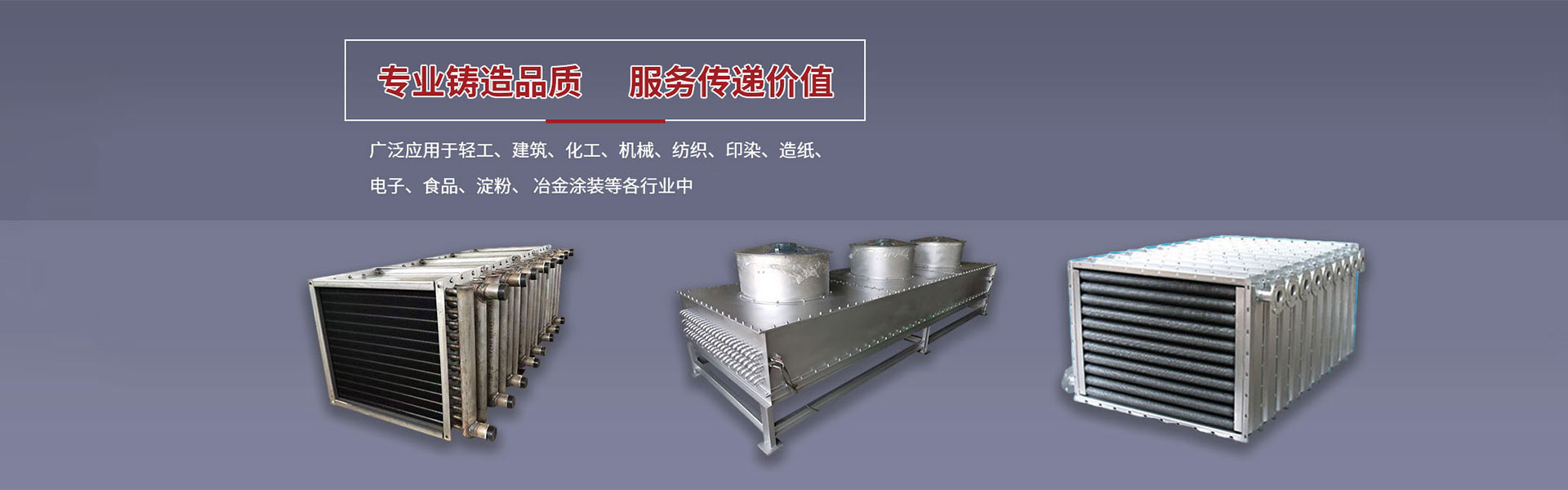


Steel-Aluminum Composite Heat ExchangerA heating exchanger that combines heat exchange tubes (low-carbon steel) with finned radiators (aluminum profiles) through welding technology, commonly known as radiators. It employs an automatic spiral expansion tube process with no gaps, and the surface is treated with a new electrostatic spraying technique, cured at 180 degrees Celsius, and has passed multiple airtightness pressure tests. The working pressure is 1.5 MPa. The product can be made in various models and specifications, widely applicable to residential communities, villas, dormitories, workshops, hotels, office buildings, and other public structures.
The composite process of steel pipes and aluminum sheets has always been a focal point of debate. As early as 1997, the Zhengzhou Institute of Mechanical Engineering established a special research group for steel-aluminum composite technology, supported by the strong backing of the mechanical industry's basic research, and began producing and developing copper-aluminum welding materials. By 2001, the relevant welding technology for steel-aluminum composite heat exchangers was designated as a development direction, with efforts invested in researching and solving issues in the production of new heat exchangers. Over more than a decade of continuous development and improvement, various aluminum welding wires for the heat exchanger industry have been developed, including aluminum inner anti-corrosion and copper-aluminum-aluminum composite types.
The connection of the steel-aluminum composite heat exchanger headers to the water channels requires a high level of welding skill. However, due to subpar welding techniques and poor quality of some welding rods, it often leads to defective products experiencing leakage. By using flux-cored aluminum welding wire brazing, these manufacturing deficiencies can be avoided.

