



Protective gases can be divided into two categories: inert gases and active gases. Inert gases, such as helium and argon, do not react with molten welds at all and are used in MIG welding (Metal-Inert Gas welding). Active gases, generally including carbon dioxide, oxygen, nitrogen, and hydrogen, participate in the welding process by stabilizing the arc and ensuring the smooth transfer of material to the weld. While they can damage the weld when present in large quantities, a small amount can actually enhance welding characteristics and are used in MAG welding (Metal-Active Gas welding).
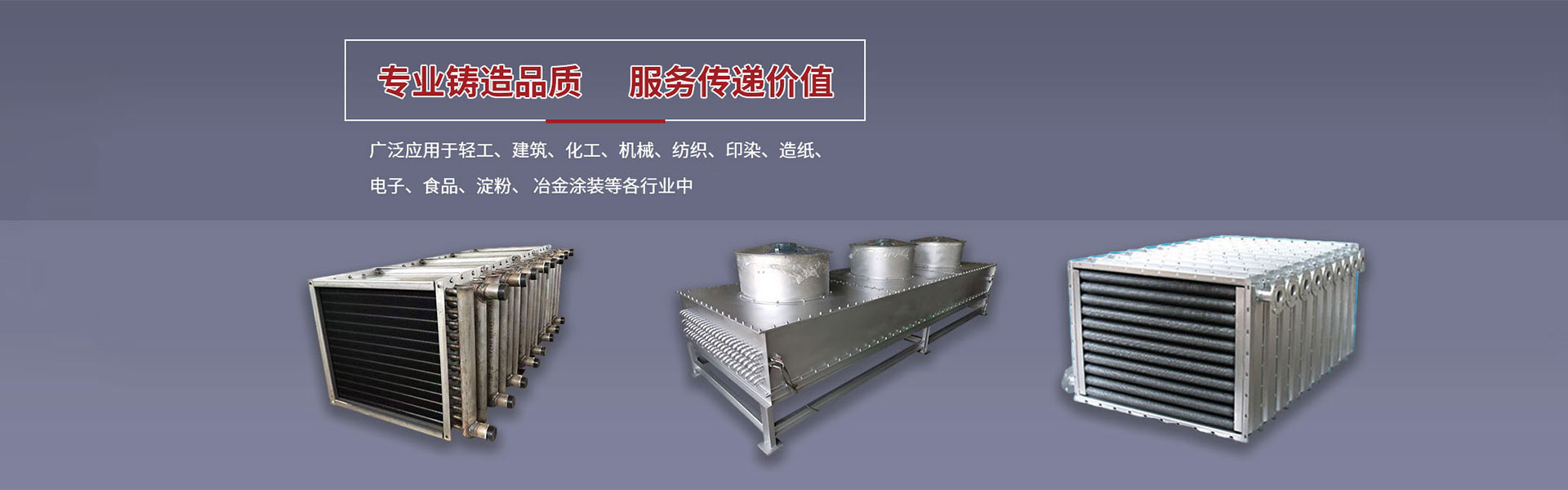
Gas-protected heat exchangerAn energy-saving device that facilitates heat transfer between two or more fluids at different temperatures, enabling heat to be transferred from the higher-temperature fluid to the lower-temperature fluid, achieving the fluid temperature specified by the process to meet the requirements of the technological conditions. It is also one of the main equipment for improving energy utilization efficiency. The heat exchanger industry involves nearly 30 industries such as HVAC, pressure vessels, reclaimed water treatment equipment, chemicals, and oil, forming an industrial chain. Data shows that the market size of the heat exchanger industry in China in 2010 was around 50 billion yuan, mainly concentrated in the fields of oil, chemicals, metallurgy, electricity, shipping, centralized heating, refrigeration and air conditioning, machinery, and food.

