

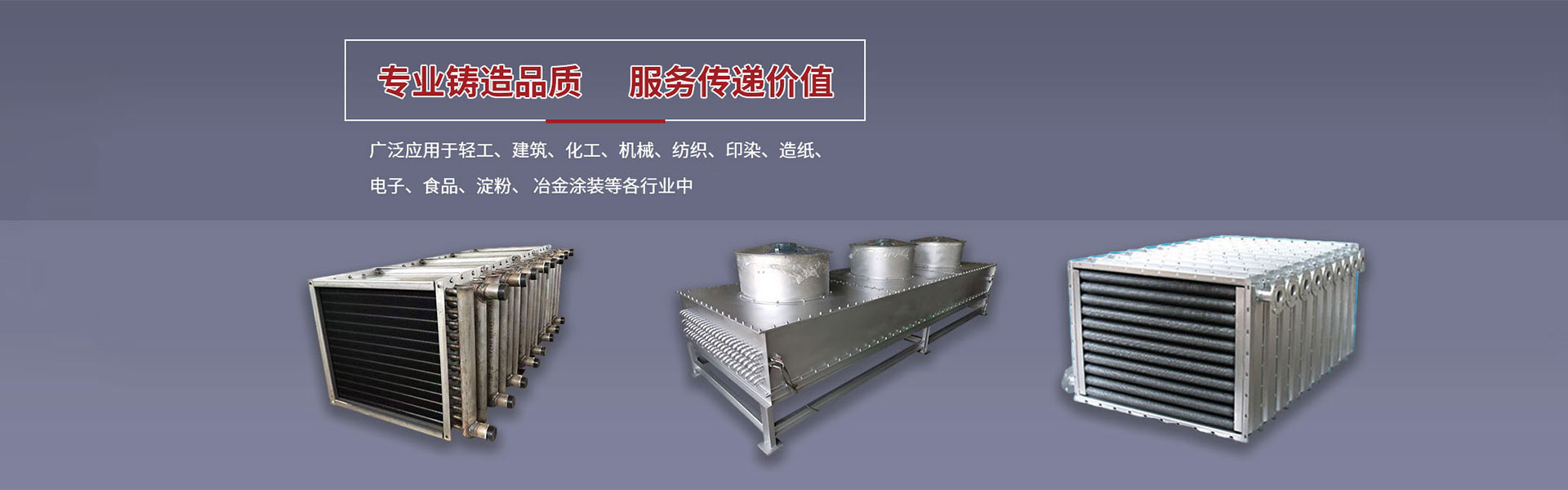

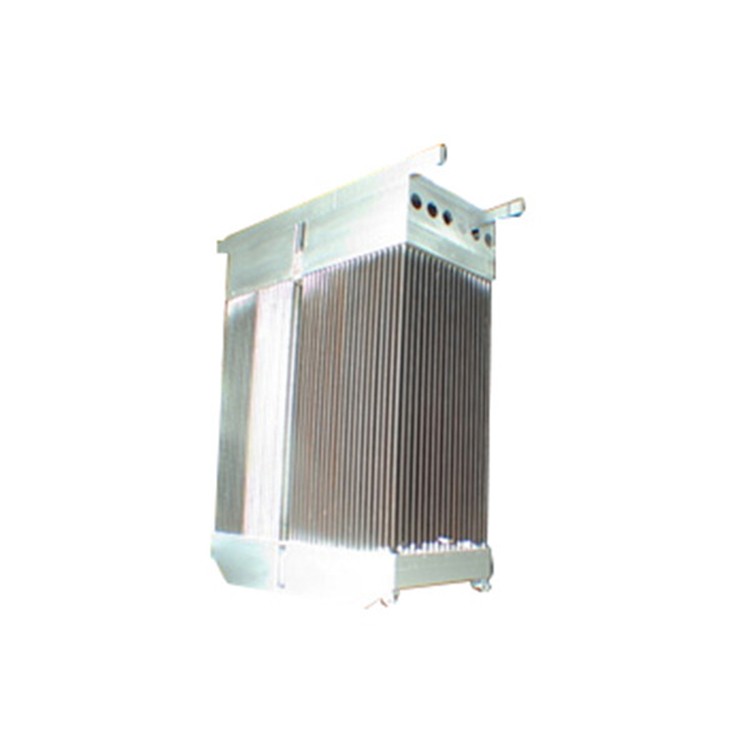

Drying section heat exchangerA heat exchanger that cools the air inside manned spacecraft cabins to achieve temperature regulation and moisture removal, also known as a condensation heat exchanger.
The dehumidification principle under microgravity conditions first involves lowering the temperature of the heat exchanger surface below the dew point. After air circulation, water droplets condense on its surface and are collected by absorbent materials, then transferred to a waste water tank for storage.
Early manned spacecraft humidity control systems utilized high-density plate-fin heat exchangers. Water-absorbent materials are placed between the plate-fins, and once saturated with condensate water, they are periodically drained along with water-conducting materials and sintered metal plates, using a drainage suction pump.
The new condenser heat exchanger will no longer incorporate absorbent materials within the overall heat exchanger assembly. Airflow channels will no longer be obstructed, thereby reducing system pressure drop. A water guide mechanism directs condensate water, along with a small air stream accounting for 5% of the total airflow, into the water/air separator to separate the water.

