

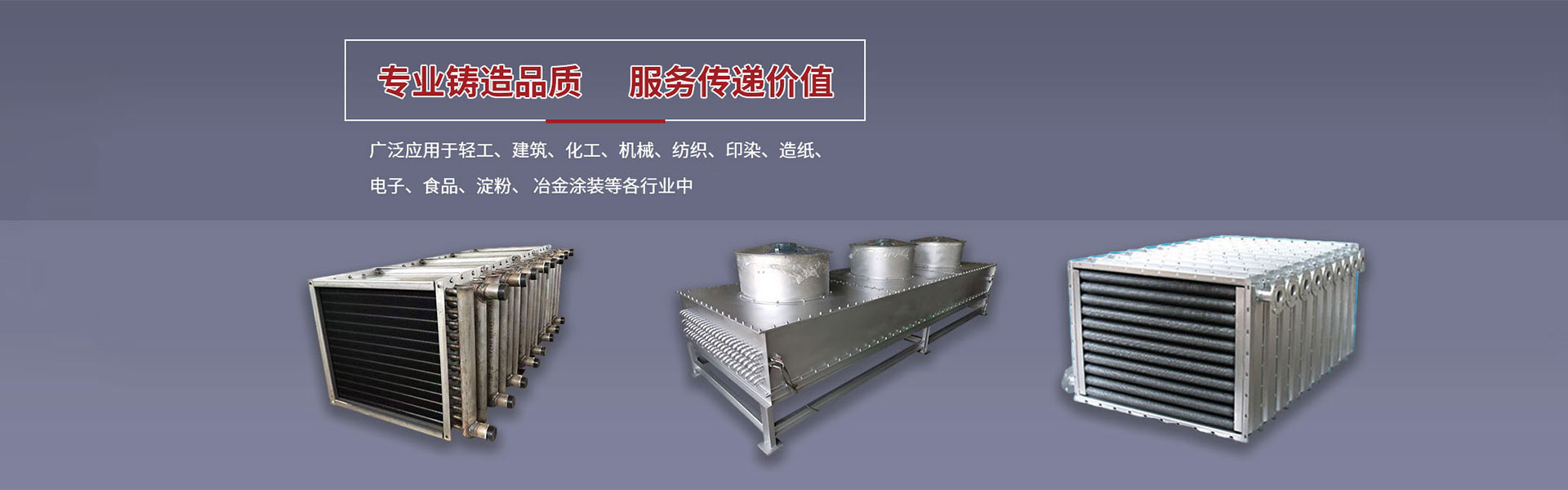

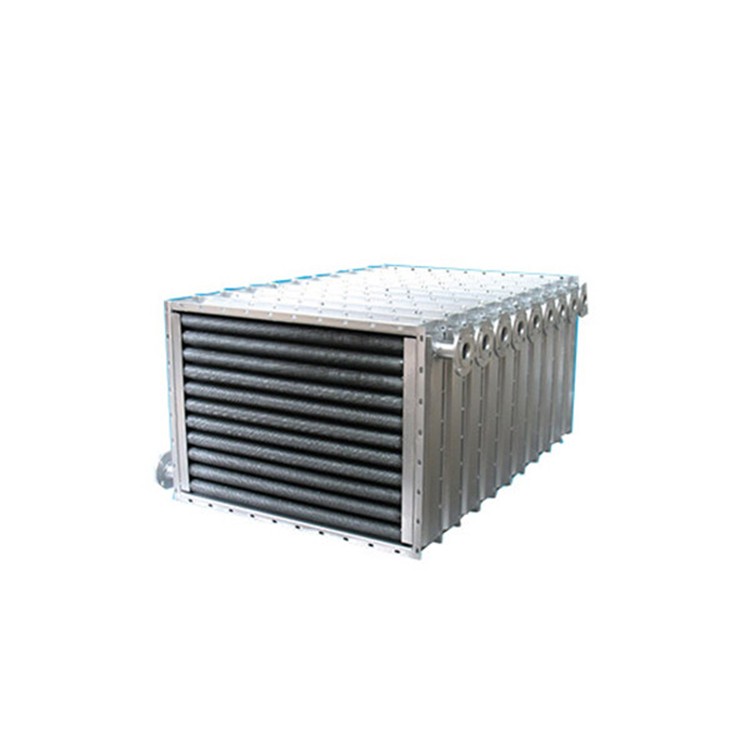

Passivated section heat exchangerAlso, they are categorized into many types: organic acids and inorganic acids. Nitric acid and hydrochloric acid are inorganic salts, while oxalic acid and formic acid are organic acids. The specific type of dirt determines the choice of cleaning agent. Formic acid is highly effective for cleaning heat exchangers, and its cleaning power is enhanced with the addition of buffering agents and surfactants, reducing corrosion on the plates. As hydrochloric acid is corrosive, it is generally not used for cleaning.
Heat exchanger cleaning is a device used for maintenance and upkeep of long-lasting equipment structures. It can reduce production accidents, as cleaning away debris can minimize various accidents caused by production processes and equipment, as well as reduce harm to the environment and individuals. It includes cleaning, sterilization, disinfection, and the removal of radioactive contamination.
The heat exchanger cleaning industry generally employs two methods: chemical cleaning and high-pressure water jet cleaning. However, traditional cleaning processes and treatment methods, such as mechanical methods (scraping, brushing), high-pressure water, chemical cleaning (acid cleaning), and scale inhibition, have long been causing severe damage to both the equipment itself and human health and the environment, while failing to effectively solve the problems.

