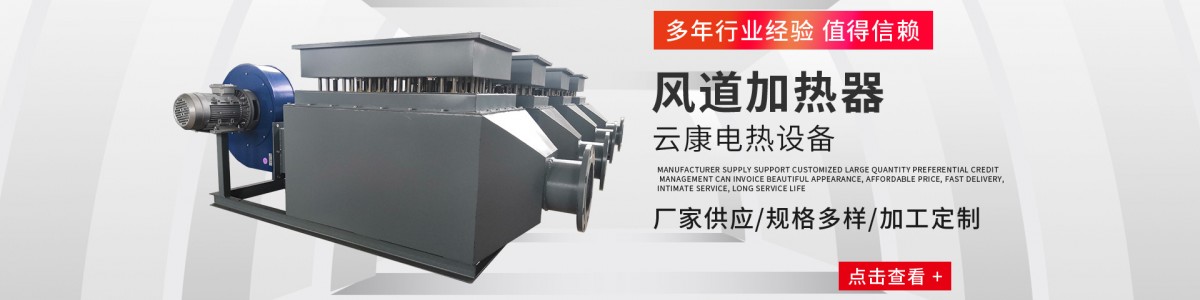

Electric heating equipment, explosion-proof electric heaters, mine mouth heating units, thermal oil heaters
19952828770


Product Recommendation

Coal safety certificate air duct heater, mine tunnel anti-freezing heater, coal mine mouth de-icing heater, tunnel heat pump

Explosion-proof Coal Mine Portal Hot Air Furnace Air Duct Heater Unit with Coal Safety Certificate, High-Power Explosion-Proof Air Duct Heater

Manufacturer Supplies Explosion-Proof Compressed Air Electric Heater, Industrial Liquid Circulation Heater, Pipe Heater
Coal safety certificate air duct heater, mine tunnel anti-freezing heater, coal mine mouth de-icing heater, tunnel heat pump
Explosion-proof Coal Mine Portal Hot Air Furnace Air Duct Heater Unit with Coal Safety Certificate, High-Power Explosion-Proof Air Duct Heater
Manufacturer Supplies Explosion-Proof Compressed Air Electric Heater, Industrial Liquid Circulation Heater, Pipe Heater
Recently, many users have inquired about how to operate their newly purchased electric heating thermal oil furnace and whether the installation and debugging process will be complex. In response to such concerns, today we will share the installation and debugging steps and precautions for the electric heating thermal oil furnace.
Preparation for Installation
1. Unboxing Inspection: Verify that the random instruction manuals, certification documents, and accessories match the packing list.
Ensure the main unit and its accessories, electrical components are inspected for any damage or loose parts, and address these issues promptly.
3. Inspect the installation site to ensure it meets environmental requirements and applicable conditions.
It is important to note that electric heating oil boilers with an electrical heating power of ≥100kKW are classified as organic heat carrier boilers and require installation by professionals.
Section II: Installation of Electrically Heated Thermal Oil Boiler Main Unit
The electrically heated thermal oil furnace should be horizontally and stably installed in a location that is convenient for monitoring, operation, and maintenance. Sufficient space should be left to facilitate the repair and disassembly of the main unit's heating element, and it is recommended to install valves that are suitable for the operating conditions at the main unit's inlet and outlet pipe connections (usually included with the factory model; if not, they should be purchased separately). Before installation, thoroughly clean the main unit, auxiliary equipment, accessories, and all interior pipe cavities, removing all internal water and foreign objects.
The electric heating thermal oil furnace pipeline layout should adopt a low-in, high-out method, and minimize pipeline bends to ensure smooth flow. The diameters of various pipelines in the system should be as consistent as possible with the thermal oil inlet and outlet diameters of the electric heating thermal oil furnace's main unit.
2. Thermal insulation measures should be taken for the pipeline of electric heating thermal oil furnace to avoid unnecessary heat loss and energy waste. However, it is not advisable to add insulation material at the flange connection.
The electrically heated thermal oil boiler should be connected using a flat-welded steel pipe flange with a nominal pressure (Pg) of not less than 1.0 MPa. The pipeline connection seal can utilize metal-wrapped graphite gaskets, expanded graphite composite gaskets, or high-temperature heat-resistant rubber asbestos boards.
4. Install exhaust pipes and valves at elevated points in the circulation system's pipeline network to facilitate regular排放 of gaseous byproducts during operation. Ensure the on/off position of the exhaust valves is easily accessible for operation.
Ensure that there are no leaks in the metal walls, welds, pipeline accessories, and connection areas during the installation of electrically heated thermal oil furnace piping. If water or steam is used for pressure testing, thoroughly blow off the system water after the pressure test.
Section 3: Selection and Oil Injection of Thermal Conductive Oil
When selecting a thermal oil manufacturer and brand, it's practical to choose from well-known options. We generally recommend users opt for synthetic thermal oil from brands like Great Wall,昆仑, and Mobil. The boiling point of the thermal oil should exceed the system's operating temperature. Due to the prohibition of mixing different brands of thermal oil, it's advisable to consider ease of procurement or purchase extra as backups when choosing thermal oil.
Upon completion of the installation and inspection of the entire heating system, system oiling is performed. Thermal oil is added through the filling port of the expansion tank. During the oiling process, all valves in the system are opened (except the drain valve), and the thermal oil is slowly injected into the system via the expansion tank. When the liquid level shows to be about half the height of the expansion tank, stop the oiling process. After oiling, cover the filling cap, connect the overflow pipe, and carefully check the operation of all valves in the pipeline. Strictly prohibit any oil leakage or seepage within the system.
Four: Electric heating thermal oil boiler desiccation and exhaust gas
1. Normal Temperature Exhaust: After powering on, open the inlet and outlet valves, as well as the exhaust valve of the electric heating oil furnace. Press the oil pump start button, and the oil pump operation indicator light will illuminate. The oil pump should run in the direction indicated by the arrow. The pressure gauge should display within the specified range. Monitor the oil pump operation; if any anomalies are detected, immediately shut down and inspect the pump. After troubleshooting, restart the oil pump and perform normal temperature exhaust until the pressure gauge reading stabilizes. During normal temperature exhaust, pay attention to the liquid level in the expansion tank; supplement as necessary if it falls below the specified level.
2. Heating and Drying: After confirming normal operation at room temperature, proceed with heating and drying exhaust (operation: thoroughly read the thermal oil user manual and the temperature controller user manual). The heating and drying exhaust process can be carried out in the following steps:
The heating rate is controlled by adjusting the startup heating power; a constant temperature is achieved through temperature control settings.
FirstlyHeating up to 100-120°C Heat Retention
When initiating the heating process, the rate of temperature increase should be controlled to no more than 50℃/h, and the pressure gauge should be monitored to ensure normal readings. If no pressure or unstable pressure is detected, it indicates that residual gas remains in the system. In this case, the operation of normal temperature exhaust should be repeated until the system pressure stabilizes before proceeding. After heating to 120℃, a long-term保温 period is required, with the duration depending on the total system capacity and the quality of the heat transfer oil.
Step two: Heat to 150-180°C and maintain temperature.
Eliminate light fractions, volatiles, and residual moisture from the oil.
Step three: After dehydration and exhaust removal, close the exhaust valve and proceed with normal heating operation.
3. Matters related to the heating, dehydration, and exhaust process: During the heating process of the electric heating thermal oil furnace, the pipeline may emit knocking sounds, indicating a large amount of gas in the system or a blocked pipeline. In this case, reduce the heating speed and wait for the gas to be expelled to eliminate the noise; if the pipeline is blocked, it should be cleared. During the dehydration and exhaust process, a large volume of gas may rush into the expansion tank, causing the thermal oil to overflow. Before operation, place an overflow container under the overflow pipe. When performing dehydration and exhaust, there must be a staff member on site to monitor and handle any abnormalities promptly.
Five: Temperature Control for Thermal Oil Heater System (Please refer to the temperature controller's manual for details)
1. Set parameters of temperature control instruments according to process requirements for heating and maintenance of temperature.
The newly commissioned thermal oil heater should be inspected at the connection points of the circulation system pipeline when the thermal oil temperature reaches 200°C or the required operating temperature (below 200°C), ensuring that the expansion of fasteners does not lead to oil leakage. Additionally, tighten the fasteners at the heater's wiring connection points under heat conditions to prevent overheating and damage to the wiring terminals due to thermal expansion.
**Attention! Heat-tightening the heating element's terminal fasteners should be performed while the power is off. Monitor and adjust the temperature control instrument's relevant parameters, and implement automatic temperature control operation until stable control is achieved.**
Contact us

Service Hotline
19952828770
Company Telephone
19952828770

Address
No Chinese content provided.
www.114global.com © Zhongshang 114 Hebei Network Technology Co., Ltd.Address: Room 6009, Oriental New World Center, No.118 East Zhongshan Road, Qiaoxi District, Shijiazhuang City, Hebei ProvincePlatform Service Hotline: 4006299930