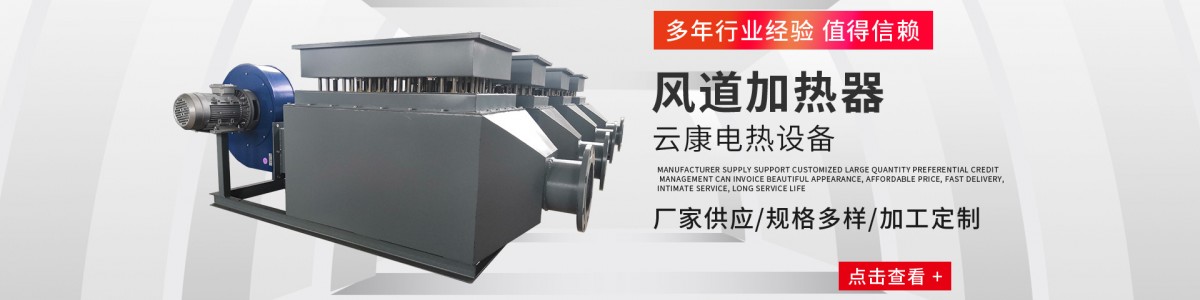

Electric heating equipment, explosion-proof electric heaters, mine mouth heating units, thermal oil heaters
19952828770


Product Recommendation

Coal safety certificate air duct heater, mine tunnel anti-freezing heater, coal mine mouth de-icing heater, tunnel heat pump

Explosion-proof Coal Mine Portal Hot Air Furnace Air Duct Heater Unit with Coal Safety Certificate, High-Power Explosion-Proof Air Duct Heater

Manufacturer Supplies Explosion-Proof Compressed Air Electric Heater, Industrial Liquid Circulation Heater, Pipe Heater
Coal safety certificate air duct heater, mine tunnel anti-freezing heater, coal mine mouth de-icing heater, tunnel heat pump
Explosion-proof Coal Mine Portal Hot Air Furnace Air Duct Heater Unit with Coal Safety Certificate, High-Power Explosion-Proof Air Duct Heater
Manufacturer Supplies Explosion-Proof Compressed Air Electric Heater, Industrial Liquid Circulation Heater, Pipe Heater
Pipe heaters are a common equipment in both industrial and residential applications, primarily used to heat fluids within pipelines to meet process or living needs. Choosing the right pipe heater is crucial for ensuring system efficiency and safety. Here are some suggestions on how to select a pipe heater:
1. Confirm Heating Requirements
Firstly, it is crucial to clarify the properties of the fluid in the pipeline and the heating requirements. This includes the type of fluid (such as water, oil, chemical solutions, etc.), flow rate, initial temperature, and the desired final temperature. These parameters will directly influence the selection and design of the heater.
2. Choose the Right Heating Medium
Pipe heaters can be powered by electricity, steam, hot water, or hot oil as the heat source. The choice of medium depends on the local energy supply and cost-benefit analysis. For instance, if there is an existing steam supply on-site, a steam heater might be an economical option.
3. Consider thermal efficiency
High-efficiency heaters can heat fluids faster, reducing energy waste. Therefore, when selecting a heater, consider its thermal efficiency and opt for designs with high heat exchange efficiency.
4. Security considerations
Safety is the top priority when selecting a pipe heater. The heater should be equipped with safety features such as overheat protection and pressure relief valves to prevent accidents caused by improper operation or equipment failure.
5. Material Selection
Select appropriate materials based on the chemical properties of the fluid and the temperature range. For instance, when dealing with corrosive fluids, materials such as stainless steel or special alloys with corrosion resistance should be chosen.
6. Easy to maintain and clean
Pipe heaters should be designed with a structure that is easy to maintain and clean, facilitating regular inspections and cleaning to ensure long-term stable operation of the equipment.
7. Environmental Adaptability
Consider the environmental conditions where the heater will be installed, such as humidity, temperature, and dust. The heater should be adaptable to these environmental factors to ensure its performance and longevity.
8. Budget and Cost-Effectiveness
When selecting a pipe heater, budget and cost-effectiveness should also be considered. Although high-performance heaters may have a higher initial investment, in the long run, they are cost-effective due to...High efficiencyWith lower maintenance costs, it may be more economical.
9. Brand and After-Sales Service
Choosing a well-known brand for pipe heaters typically ensures product quality and excellent after-sales service. Good after-sales service can provide timely support and solutions when equipment issues arise.
10. Customized requirements
If the standard pipe heater model does not meet specific requirements, consider customized services. Many manufacturers offer customized designs to meet specific process needs.
In summary, selecting a pipe heater is a comprehensive process that takes into account multiple factors. From the properties of the fluid, heating requirements, to safety and cost-effectiveness, every aspect cannot be overlooked. Through meticulous planning and comparison, one can find a pipe heater suitable for specific applications, ensuring the safe operation of the system.
Contact us

Service Hotline
19952828770
Company Telephone
19952828770

Address
No Chinese content provided.
www.114global.com © Zhongshang 114 Hebei Network Technology Co., Ltd.Address: Room 6009, Oriental New World Center, No.118 East Zhongshan Road, Qiaoxi District, Shijiazhuang City, Hebei ProvincePlatform Service Hotline: 4006299930