
Electric heating equipment, explosion-proof electric heaters, mine mouth heating units, thermal oil heaters
19952828770


Product Recommendation

Coal safety certificate air duct heater, mine tunnel anti-freezing heater, coal mine mouth de-icing heater, tunnel heat pump

Explosion-proof Coal Mine Portal Hot Air Furnace Air Duct Heater Unit with Coal Safety Certificate, High-Power Explosion-Proof Air Duct Heater

Manufacturer Supplies Explosion-Proof Compressed Air Electric Heater, Industrial Liquid Circulation Heater, Pipe Heater
Coal safety certificate air duct heater, mine tunnel anti-freezing heater, coal mine mouth de-icing heater, tunnel heat pump
Explosion-proof Coal Mine Portal Hot Air Furnace Air Duct Heater Unit with Coal Safety Certificate, High-Power Explosion-Proof Air Duct Heater
Manufacturer Supplies Explosion-Proof Compressed Air Electric Heater, Industrial Liquid Circulation Heater, Pipe Heater
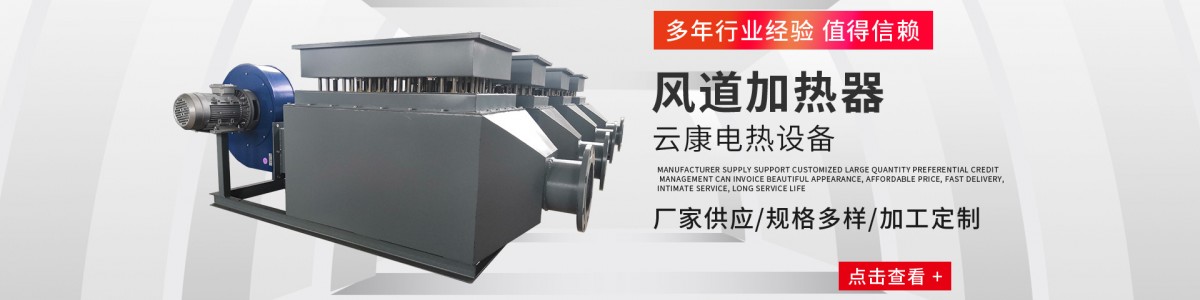
Air Heater Manufacturer Introduces: Air heaters are pressure vessels that must withstand the oxidation effects of high-temperature air, hence materials must be selected from stainless steel. The heating elements for air heaters are chosen as stainless steel electric heating tubes. The internal cavity of the heater is equipped with multiple baffle plates, which extend the time air remains in the heater's cavity, enhancing heat exchange efficiency. Appropriately increasing the number of heating tubes not only raises the installed power of the air heater but also shortens the time required for the production line to start up and heat up. The application range of air heaters is also broad, capable of heating any gas. The resulting hot air is dry, moisture-free, non-conductive, non-flammable, non-explosive, and non-corrosive, with no pollution, ensuring safety and reliability. The heated space also warms up quickly.
The gas flow rate at the gas inlet of the air heater enhances convective heat transfer, effectively reducing the surface temperature of the electric heating elements inside the air heater. This not only extends the service life of the electric heating elements but also minimizes the heat dissipation loss of the air electric heater, thereby improving the efficiency of the air heat exchanger. However, if the speed is too high, it causes a sharp increase in pressure loss without improving the heating efficiency.
If other conditions remain unchanged, altering the surface load will result in a change in the wall temperature of the electric heating elements within the air heater. An increase in surface load will also lead to a higher wall temperature of the electric heating elements, thereby reducing their lifespan. However, if the surface load is too low, with a low wall temperature, the efficiency of the air heater's heat exchanger is reduced. Therefore, the selection of electric heating elements in air heaters is crucial. As the final air temperature in the air heater increases, due to the continuous increase in air viscosity, the gas Reynolds number gradually decreases, causing the intensity of convective heat transfer to slowly decline. Consequently, the surface temperature of the electric heating elements in the air heater rises, leading to increased heat dissipation losses and a decrease in the heat exchanger's operating efficiency. When the temperature increase is excessive, the surface temperature of the electric heating elements can rise sharply, making it difficult for ordinary electric heating elements to withstand it. Therefore, the increase in T2 is usually limited by the heat-resistant properties of the material used in the electric heating elements within the air heater.
Contact us

Service Hotline
19952828770
Company Telephone
19952828770

Address
No Chinese content provided.
www.114global.com © Zhongshang 114 Hebei Network Technology Co., Ltd.Address: Room 6009, Oriental New World Center, No.118 East Zhongshan Road, Qiaoxi District, Shijiazhuang City, Hebei ProvincePlatform Service Hotline: 4006299930