




 通过中商114认证
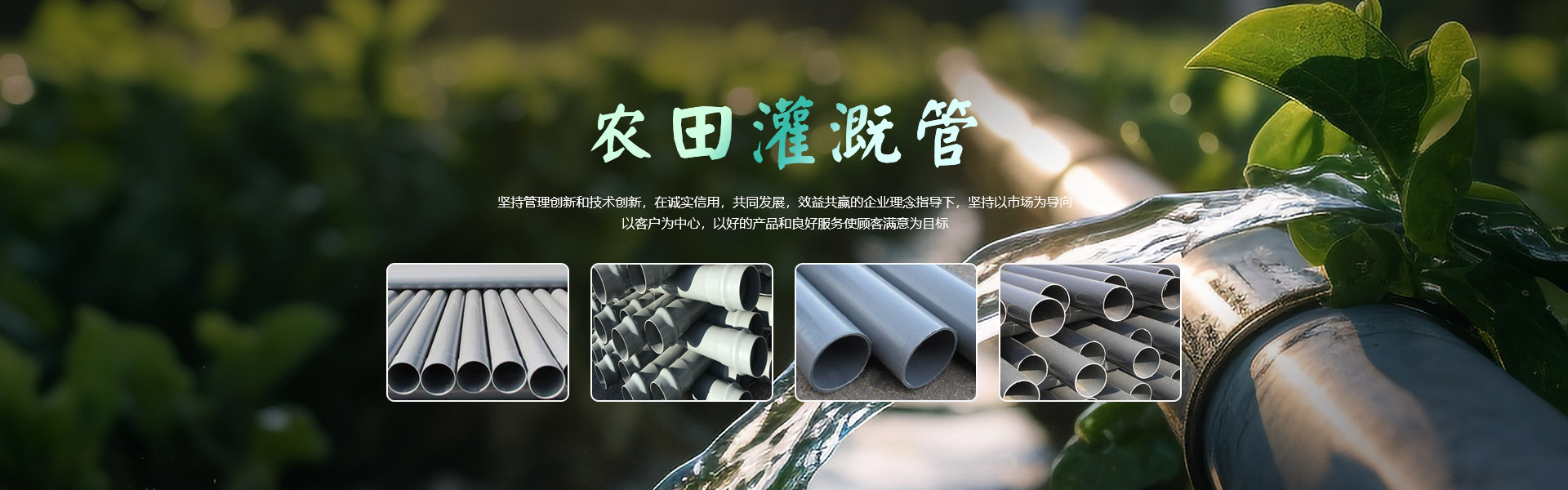
In agricultural irrigation systems, pipes play a crucial role. They are responsible for transporting water to the fields, ensuring plants receive the necessary moisture. However, the size and length of irrigation pipes are critical to the system's efficiency and water resource utilization. As a professional pipe expert, I will provide some practical guidelines to help you choose the right irrigation pipe size.
Choose the appropriate pipeline material
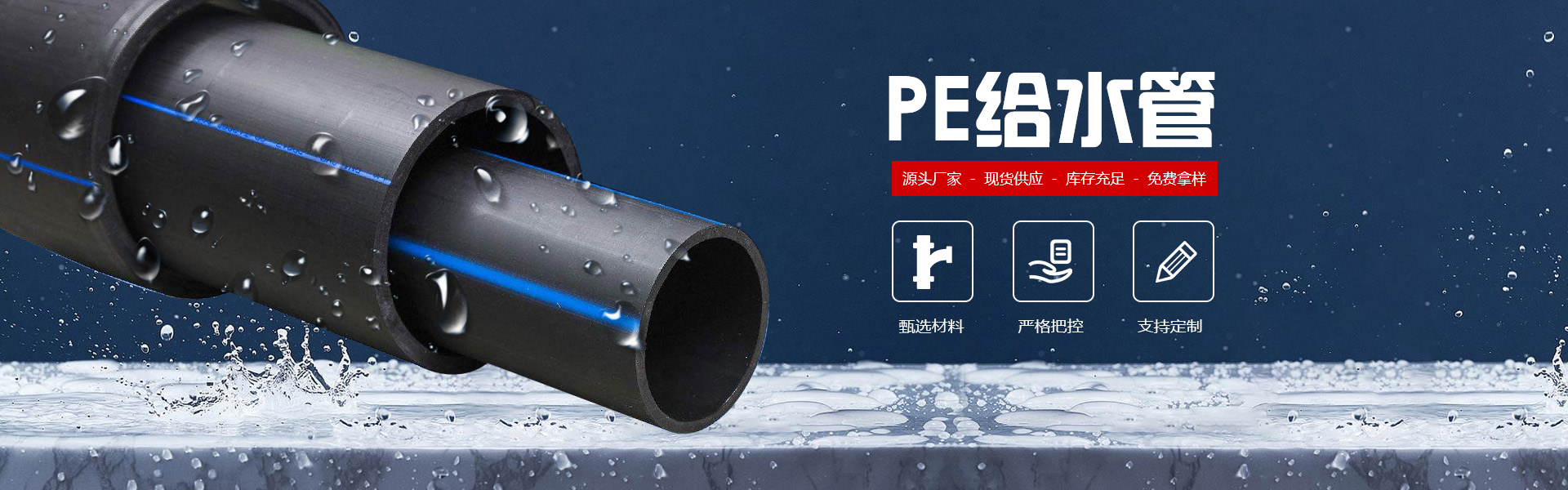
When selecting the material for irrigation pipes, factors to consider include corrosion resistance, wear resistance, and price. Common materials for irrigation pipes include polyethylene (PE), polyvinyl chloride (PVC), and stainless steel. Among them, PE pipes offer good corrosion and wear resistance, suitable for most soil types and climatic conditions. Stainless steel pipes are more durable, but they are also more expensive.
Determine the area and shape of the irrigation zone.
When selecting the size and length of irrigation pipes, consider the area and shape of your farm. Generally, circular areas are better suited for circular pipes, while rectangular or irregular shapes are more appropriate for rectangular pipes. Additionally, you should take into account the bend radius of the pipes to ensure they can smoothly connect to all sprinklers and outlets.
Section 3: Calculate the required water volume and pressure
When determining the size and length of irrigation pipes, you must also consider the water volume and pressure required for the farmland. Generally, about 5 to 10 liters of water per square meter of farmland is needed. At the same time, you should also understand the output pressure of the pump to ensure that the pipes can withstand sufficient water pressure.
Four: Selecting the Appropriate Irrigation Pipe Length
According to the area and shape of the farmland, you need to select the appropriate length of irrigation pipes. Generally, the length of each irrigation pipe should be as equal as possible to ensure even water distribution. At the same time, you also need to consider the method of pipe connection to ensure the system operates smoothly.
V. Consider Special Circumstances
In certain cases, you may require specialized irrigation pipes, such as those with filters to prevent debris from entering the system, or pipes with antifreeze to cope with cold weather conditions. These specific situations call for your selection and installation based on actual circumstances.
In summary, selecting the appropriate size and length of irrigation pipes is crucial for agricultural irrigation systems. As a professional pipeline expert, I recommend considering factors such as material, area, shape, water volume, and pressure when choosing irrigation pipes. Additionally, take into account special circumstances and select the appropriate connection methods to ensure the system operates smoothly. Here are some practical suggestions to help you choose the right irrigation pipe size and length:
