

Product Details

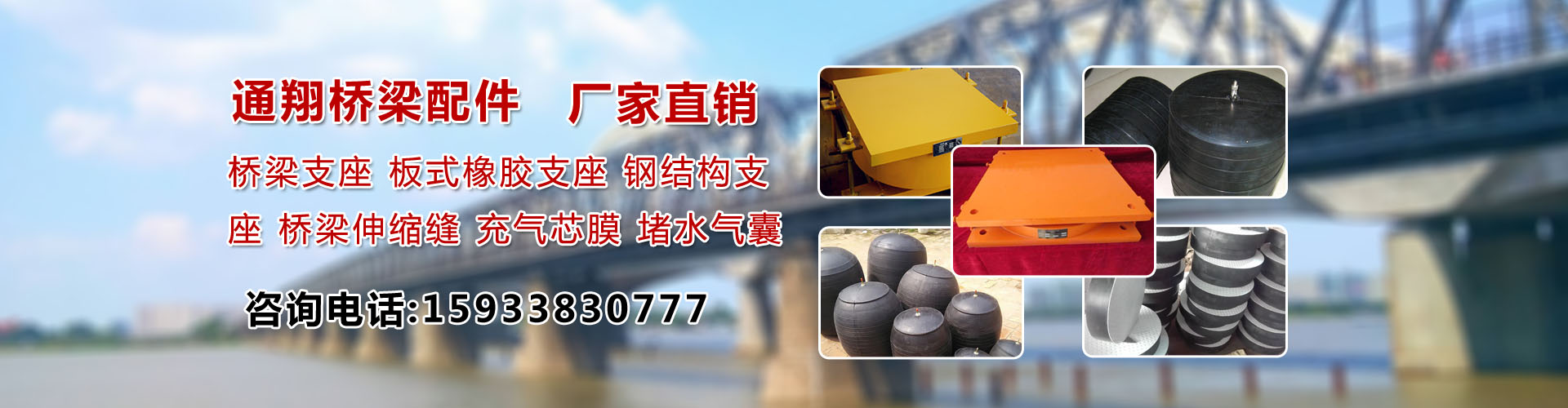
Pipe plug bladders, rubber supports, support steel plates, bowl-shaped supports, spherical supports, bridge expansion joints


价 格Negotiable
最小起订0 piece库存0 piece
 Business Card
Negotiable

Negotiable

Negotiable

Negotiable
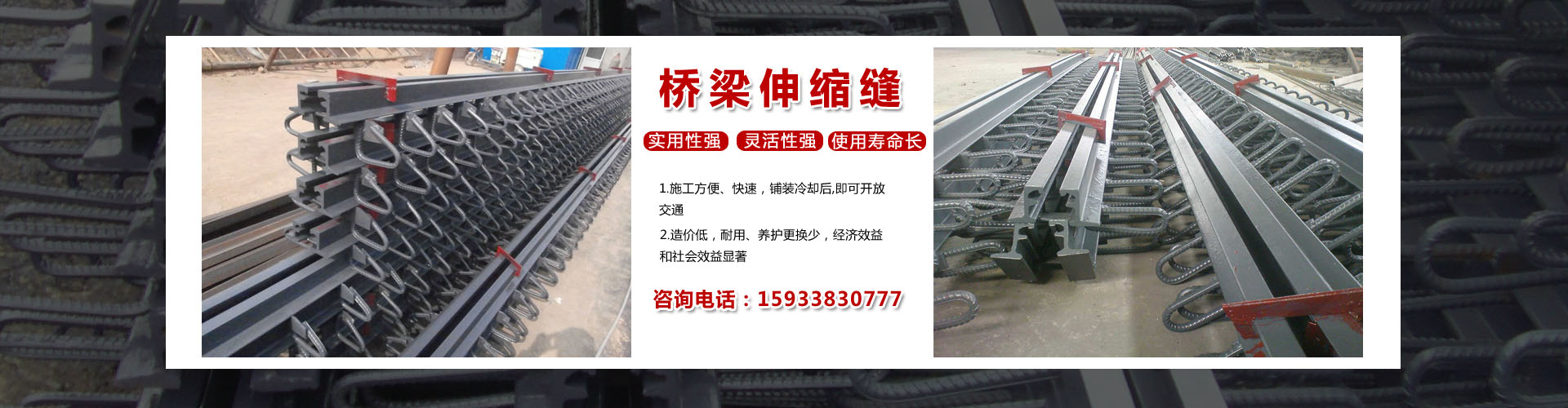
 Expandable rubber strips
Negotiable
Expandable rubber strips
Negotiable
 Web Frame Rubber Support
Negotiable
Web Frame Rubber Support
Negotiable
 GQF-Z40 60-80 model
Negotiable
GQF-Z40 60-80 model
Negotiable
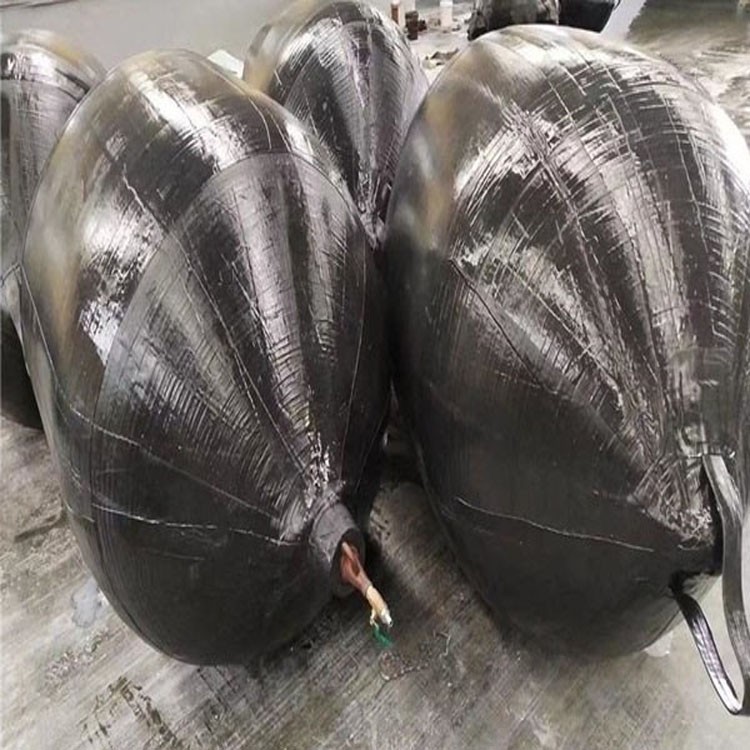 High-pressure water-blocking airb
Negotiable
High-pressure water-blocking airb
Negotiable
 Bridge rubber inflation core mold
Negotiable
Bridge rubber inflation core mold
Negotiable
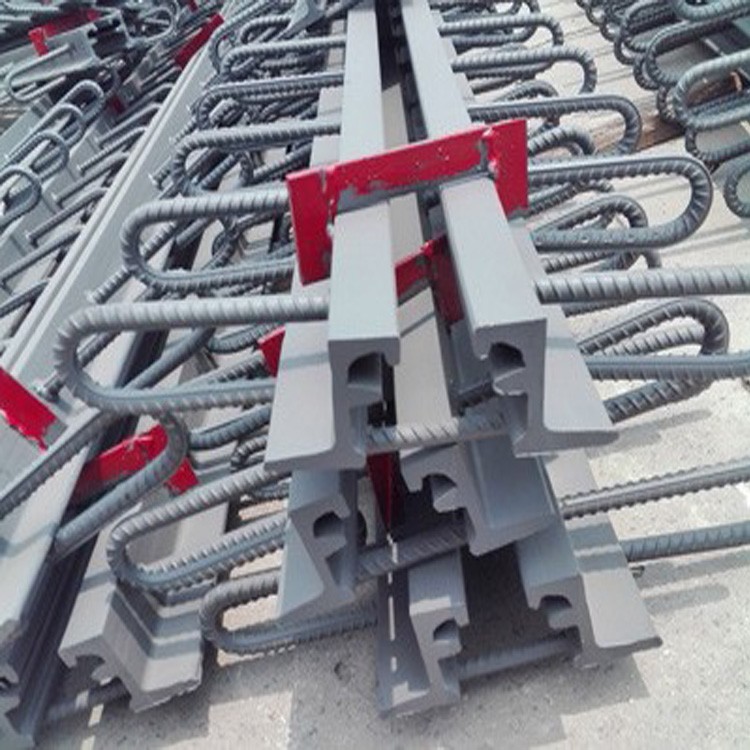 GQF-E40 60/80 Model
Negotiable
GQF-E40 60/80 Model
Negotiable
 GPZ (Ⅲ) Series
Negotiable
GPZ (Ⅲ) Series
Negotiable
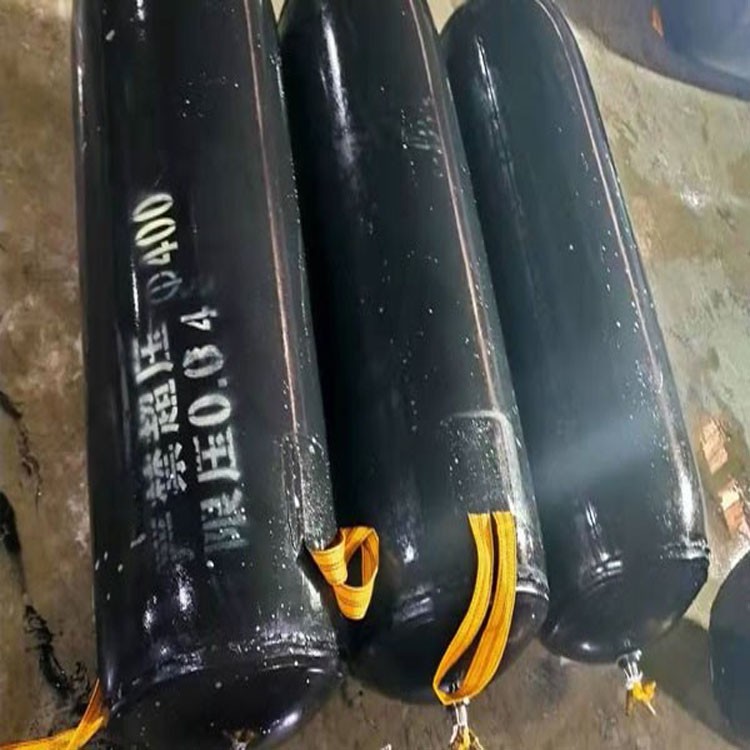 Deflateable堵头
Negotiable
Deflateable堵头
Negotiable
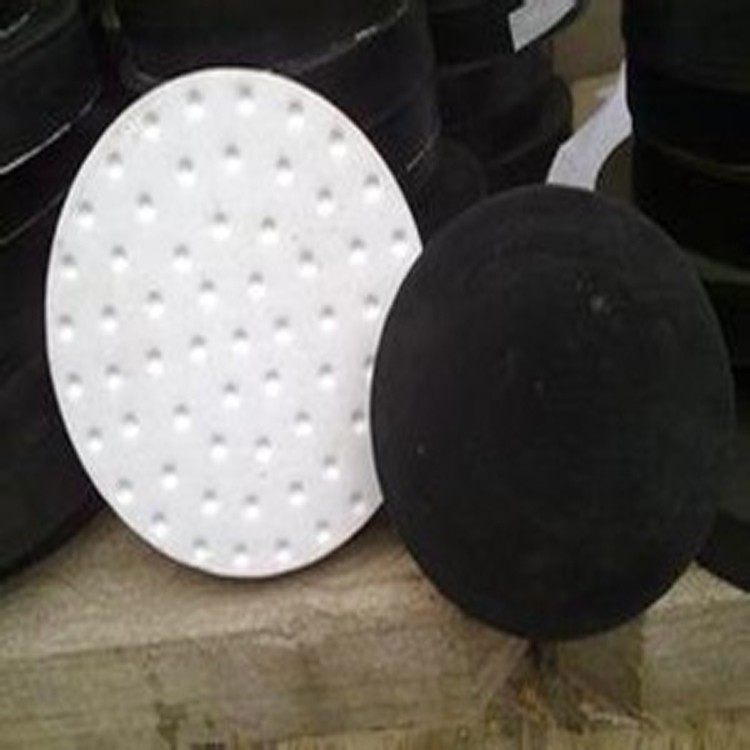 GYZf4 Circular Four Fluorine Boar
Negotiable
GYZf4 Circular Four Fluorine Boar
Negotiable
 Rubber Inflatable Molding Core -
Negotiable
Rubber Inflatable Molding Core -
Negotiable
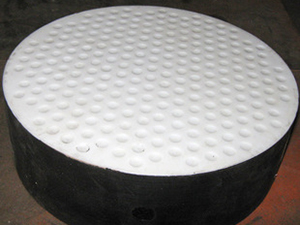
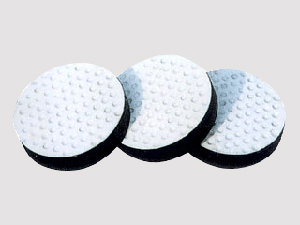
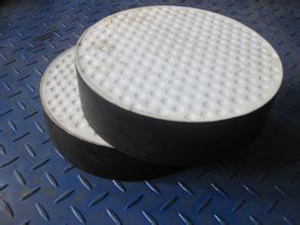
The PTFE Sliding Plate Rubber Support is a rubber support made by adhering a 1.5mm-3mm thick PTFE plate to the surface of a standard plate-type rubber support, also known as the PTFE Sliding Plate Support (GJZF4, GYZF4 series). In addition to all the functions of the GYZ series rubber supports, the low friction coefficient between the PTFE plate and the stainless steel bottom plate of the beam allows for horizontal displacement of the upper structure without being limited by the shear deformation of the support itself, meeting the large displacement needs of some bridges. This plate-type rubber support, in addition to the functions of a ball crown rubber support, is particularly suitable for bridges requiring large displacements. The PTFE plate-type rubber support is not only technologically advanced and performance-excellent but also features simple construction, low cost, easy maintenance, and replacement, as well as low building height. Therefore, it is well-received in the bridge industry and widely used.
Application Range of Four-Fluoride Plate-type Rubber Support:
a. Used as an activity support: Primarily for simply supported continuous slab bridges with spans greater than 30 meters, and multi-span continuous beam bridges. b. Employed as sliders for pushing continuous beams, shifting T-beams horizontally, and sliding large equipment.
F4 Rubber Support Load Grade:
Ranging from 100KN to 10,000KN
Technical requirements for the installation of polytetrafluoroethylene slider rubber support:
A. The supports should be accurately positioned according to the design, with the top steel plate on the beam bottom tightly abutting the upper and lower surfaces of the PTFE rubber supports. The two PTFE rubber supports at the same end of a single beam should be placed on the same plane to prevent eccentric compression of the bridge supports, uneven support, and individual hollowing-out.
B. Add a stainless steel plate (thickness of 3mm) and an upper steel plate (thickness of 18mm) to the support. The lower flat surface of the upper steel plate is machined into a reverse groove shape. Insert the stainless steel plate to integrate it with the upper steel plate. Before placing the beam, apply a thick layer of epoxy resin on the upper flat surface of the upper steel plate to bond it to the bottom of the beam.
C. In the indentation of the bracket, fill with non-volatile "295" silicone grease as a lubricant during installation to reduce the coefficient of friction. Stainless steel plates that come into contact with the PTFE board surface must not have any damage or burr-like formations to avoid increasing the coefficient of friction and damaging the PTFE board. The upper steel plate assembly, except for the stainless steel plate and the upper steel plate's top surface not coated with anti-rust paint, the rest of the parts are all brushed with anti-rust paint. The relative position of the bracket to the stainless steel plate is determined by the temperature during installation.
Installation of PTFE slider rubber bearing:
a: Installation Preparation
a.1 The installation location of the plate-type rubber support should be equipped with a supporting stone. The plane size of the supporting stone should be determined based on the local bearing calculation. The length and width of the stone should be at least 50mm larger than the corresponding dimensions of the support, and its height should be over 100mm. Additionally, the installation position of the jack for replacing the top beam of the support should be considered convenient.
a.2 The support pad stone should be equipped with a reinforcing mesh, with an 8mm diameter steel bar, spaced 50mm by 50mm. There should be vertical reinforcing bars extending into the support pad stone within the pier and abutment of the bridge. The concrete strength grade of the support pad stone should not be lower than C30.
a.3 The surface of the support padstone should be flat, clean, dry, and free of loose sand. The elevation of the top surface of the support padstone must be accurate. Under level slope conditions, the support padstones at both ends of the same beam and the support padstones on the same pier or abutment should be within the same design elevation plane. The relative height difference should not exceed ±1.5 mm, and the height difference of the same support padstone should be less than 0.5 mm.
Base Mount Installation
b.1 After the support arrives on-site, check for the manufacturer's logo or identification mark on the support. During installation, follow the design drawings to mark the centerline of the support position on both the support padstone and the support to ensure accurate placement of the support.
b.2 During the installation of the support, prevent uneven pressure on the support or excessive initial shear deformation. After installation, ensure the support is tightly in contact with the upper and lower structures without any gaps. For beam and slab structures that have not formed an integrated whole, avoid heavy vehicle traffic.
b. The design of bridge piers should consider the needs for maintenance and replacement of supports. Under no circumstances should two or more supports be installed side by side along the longitudinal centerline of the beam at the same bearing point; it is not advisable to have more than two supports on the same beam (plate); supports of different specifications should not be installed side by side.
b. After the support installation, check for any missed placements, incorrect installation direction and position (contact with the embedded steel plate, position of the support centerline), and whether the support specifications and models are correct. Verify if the temporary fixation has been removed, and if the four-fluorine sliding support has been injected with silicone oil (it is strictly prohibited to use lubricating oil instead of silicone oil). If any issues are found, adjust and handle them promptly to ensure the normal operation of the installed support. Also, record all deviations and abnormal conditions that occur after the support installation.
b.5 Average pressure stress σc on the support during use is 10MPa. The volume of the support rubber elastomer Eb is 2000MPa.
When in contact with concrete, the friction coefficient μ is 0.3; when in contact with steel plate, μ is 0.2; for contact between PTFE board and stainless steel (with silicone grease), the friction coefficient μf is 0.06. When the temperature is below -25°C, μf increases by 30%. Without silicone grease, μf should be doubled.
b.6 Install the rectangular bracket with the short edge aligned along the bridge direction.

Phone Consultation