We sell water purification materials, as well as activated carbon, decolorizing agents, and other products.


价 格Negotiable
最小起订0 Piece库存0 Piece
Columnar activated carbon
Negotiable
Non-ionic polyacrylamide
Negotiable
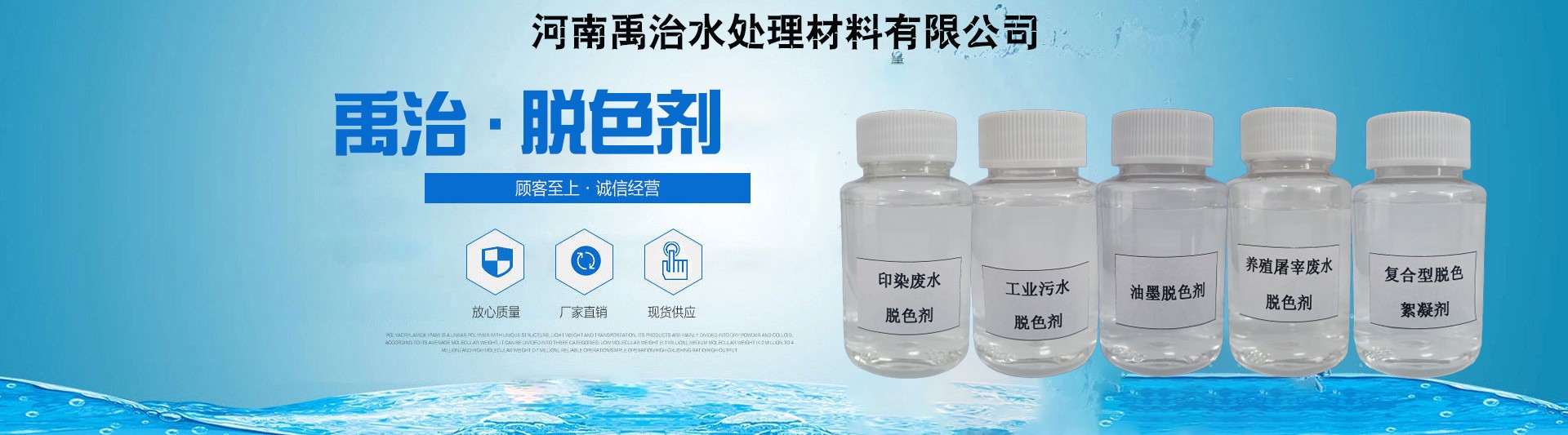
Aquaculture and屠宰 wastewater
Negotiable
Anionic polyacrylamide
Negotiable
Cationic Polyacrylamide
Negotiable
Dye Remover for Ink
Negotiable
Coconut Shell Activated Carbon
Negotiable
Dyeing and Printing Wastewater De
Negotiable
Alumina Ferric Polymer
Negotiable
Industrial wastewater decoloring
Negotiable
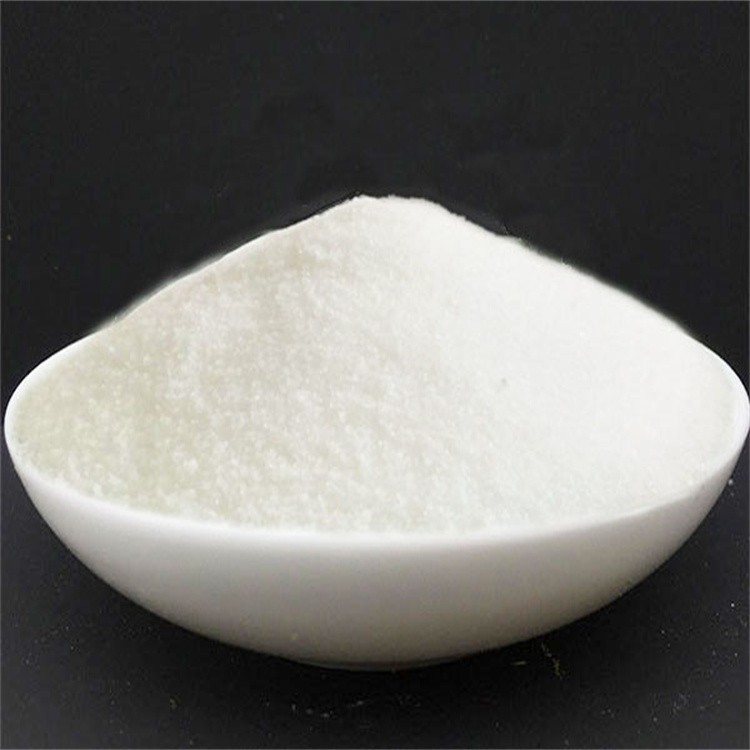
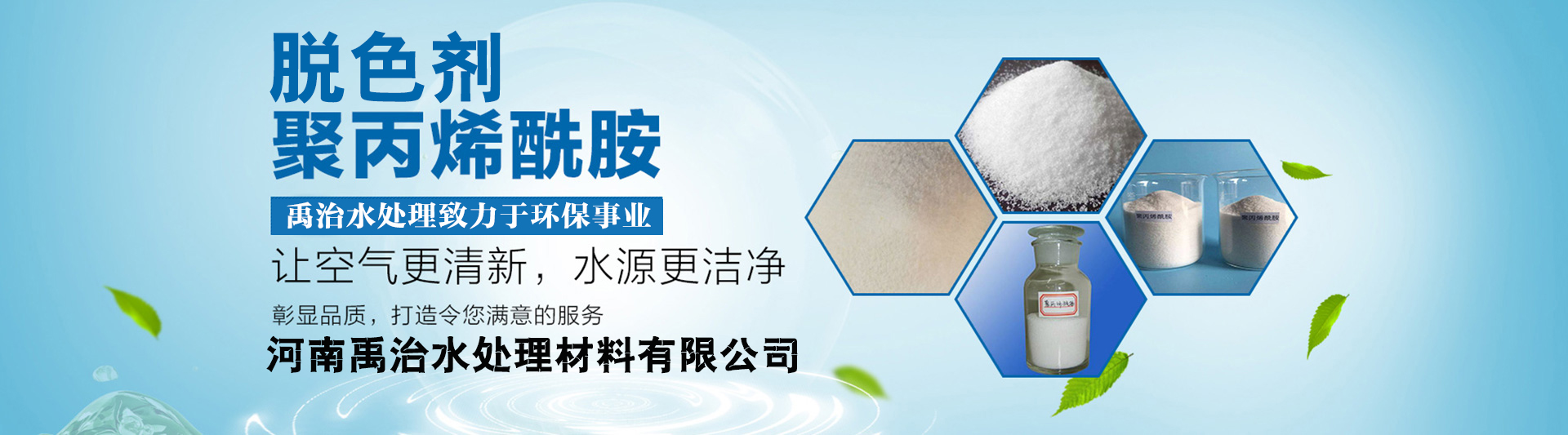
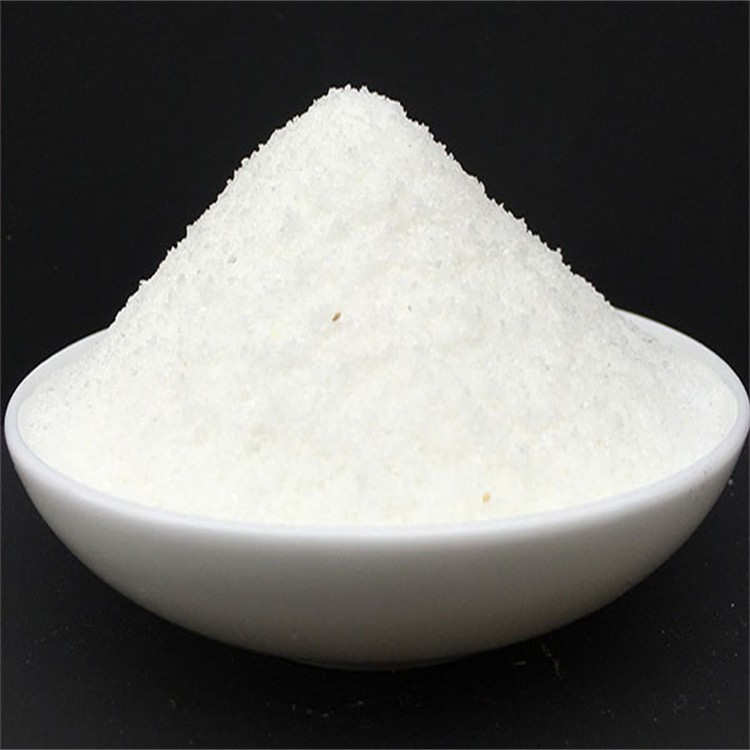
Cationic polyacrylamide (CPAM) is a linear polymer compound, known for its numerous active groups that can form hydrogen bonds with many substances. It primarily flocculates negatively charged colloids, offering functions such as turbidity removal, decolorization, adsorption, and adhesion. It is suitable for wastewater treatment in industries with high organic colloidal content, including dyeing, papermaking, food, construction, metallurgy, mineral processing, coal powder, oilfields, aquatic processing, and fermentation. It is particularly effective for dewatering treatment of urban wastewater, sludge, paper mill sludge, and other industrial sludges. The hydrolysis degree of polyacrylamide refers to its ability to combine with water to form either weakly alkaline or weakly acidic substances, or the strength of forming weak acids and bases in the aqueous solution. For strong acids and bases, the higher the degree of ionization, the stronger the acidity or alkalinity, and the weaker the hydrolysis. Cationic polymer flocculants are water-soluble linear polymer compounds with a molecular weight ranging from 6 to 12 million. Cationic PAM maintains a positive charge in both acidic and alkaline media, allowing for effective flocculation and sedimentation of wastewater suspended particles with negative charges.

Phone Consultation