

Product Details

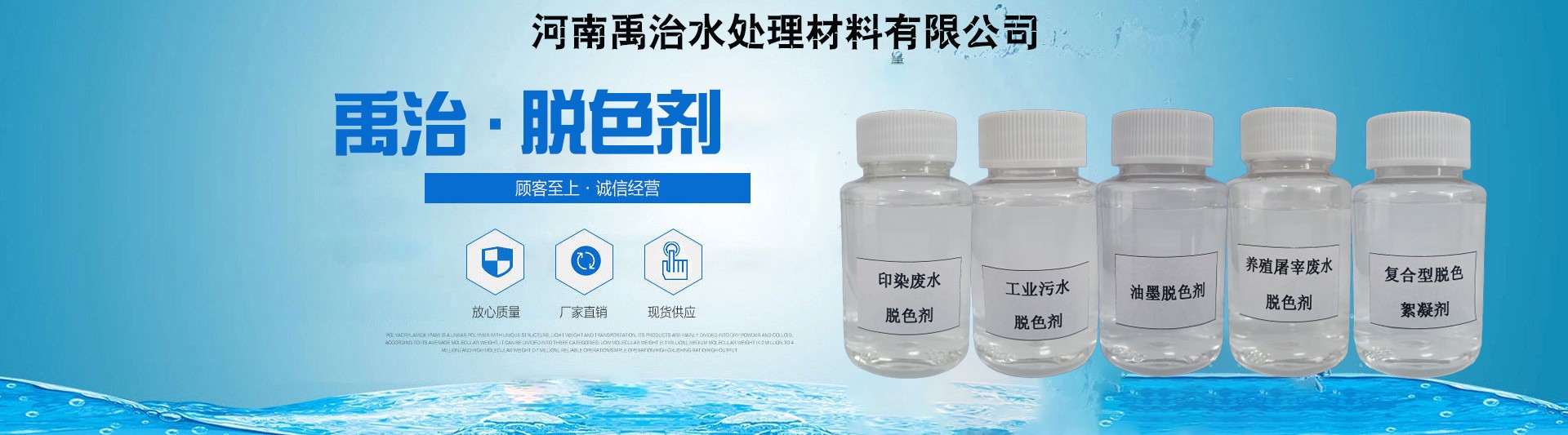
We sell water purification materials, as well as activated carbon, decolorizing agents, and other products.


价 格Negotiable
最小起订0 Piece库存0 Piece
 Business Card
Negotiable

Negotiable
Negotiable

Negotiable
Columnar activated carbon
Negotiable
 Aerosol-dried polyaluminum chlori
Negotiable
Aerosol-dried polyaluminum chlori
Negotiable
 Alumina Ferric Polymer
Negotiable
Alumina Ferric Polymer
Negotiable
 Dye Remover for Ink
Negotiable
Dye Remover for Ink
Negotiable
 Coconut Shell Activated Carbon
Negotiable
Anionic polyacrylamide
Negotiable
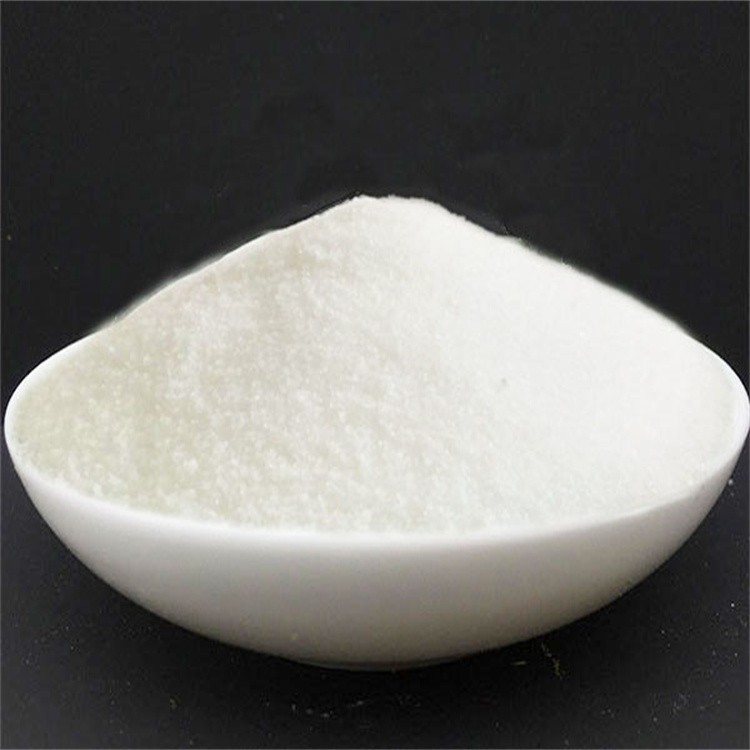
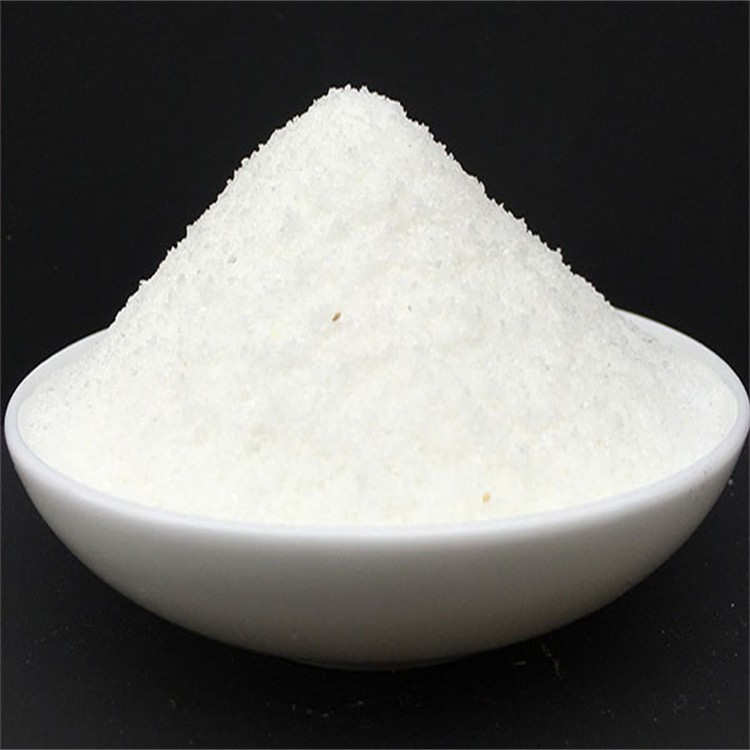
Non-ionic polyacrylamide
Negotiable
Coconut Shell Activated Carbon
Negotiable
Anionic polyacrylamide
Negotiable
Non-ionic polyacrylamide
Negotiable
 Industrial wastewater decoloring
Negotiable
Industrial wastewater decoloring
Negotiable
 Cationic Polyacrylamide
Negotiable
Aquaculture and屠宰 wastewater
Negotiable
Cationic Polyacrylamide
Negotiable
Aquaculture and屠宰 wastewater
Negotiable
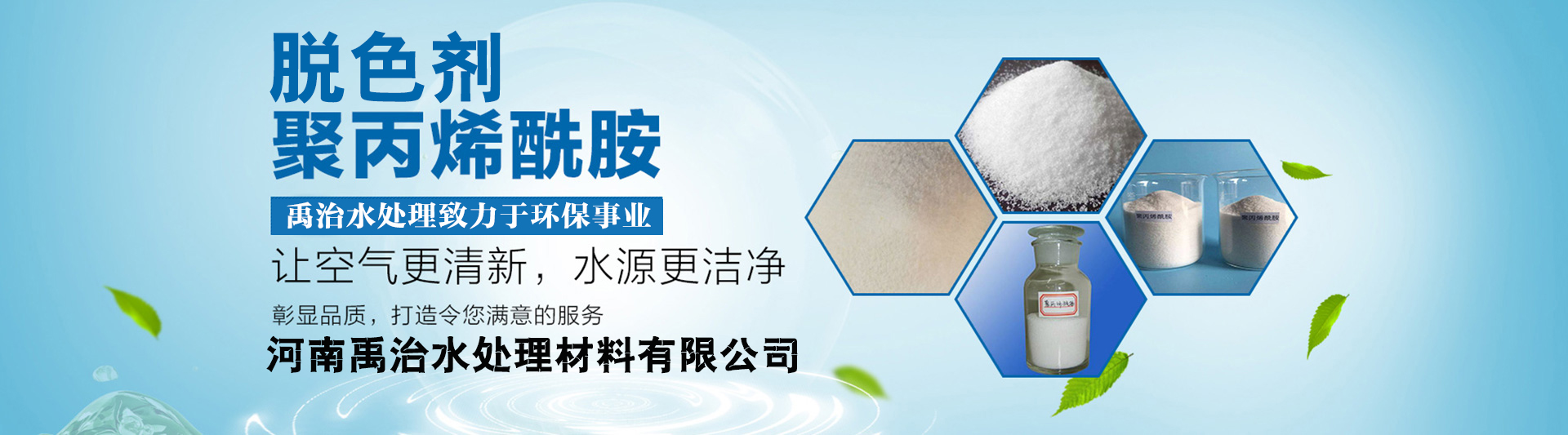
1. As a flocculant, it is primarily used in industrial solid-liquid separation processes, including sedimentation, clarification, concentration, and sludge dewatering. The main industries include urban wastewater treatment, papermaking, food processing, petrochemical, metallurgical, mining, dyeing, sugar refining, and wastewater treatment for various industries. In the treatment of sludge sedimentation and dewatering in urban wastewater, meat, poultry, and food processing wastewater, it neutralizes the negative charge of organic colloids in sludge through its positively charged groups and promotes the bridging and flocculation of colloidal particles, enabling them to aggregate into large flocs and separate from the suspension. It offers significant effects with minimal dosage.
2. Used as a paper dry strength agent, retention aid, and filter aid in the papermaking industry, it can enhance paper quality, save costs, and increase the production capacity of paper mills. It can directly form electrostatic bridges with inorganic salt ions, fibers, and other organic polymers to increase the physical strength of paper, reduce the loss of fibers or fillers, accelerate water filtration, and provide strengthening, retention, and filtration assistance. It can also be used for wastewater treatment, and it exhibits a significant flocculation effect during the deinking process.
3. Fiber slurry (asbestos-cement products) improves the drainage of moldable asbestos-cement products, enhancing the strength of the asbestos board stock; in insulating boards, it enhances the bonding capability between additives and fibers.
4. Used as clarifying agent for mine wastewater and coal washing wastewater in the mining and coal selection industries.
5. Suitable for treating dyed wastewater, leather wastewater, and oil-containing wastewater, effectively removing turbidity and decolorizing to meet discharge standards.
6. Facilitates the separation of gypsum in the wet-process phosphoric acid production.
7. Water treatment flocculant for waterworks using river and lake water sources.
【Instructions for Use】
1. When in use, prepare a 0.1% concentration aqueous solution using neutral water free of salt impurities.
2. During dissolution, evenly sprinkle the non-ionic polyacrylamide into the stirred water, maintaining a stir speed of 100-300 rpm. Adding an appropriate temperature (less than 60°C) can accelerate the dissolution process.
3. Adjust the pH level of the treated liquid to ensure optimal performance of non-ionic polyacrylamide (select the pH level and the amount of non-ionic polyacrylamide through testing.)
4. When adding non-ionic polyacrylamide solution, accelerate the mixing with the treated liquid. After絮凝物 appear, slow down the stirring speed to facilitate the growth of the絮凝物 and accelerate sedimentation.

Phone Consultation