

Product Details
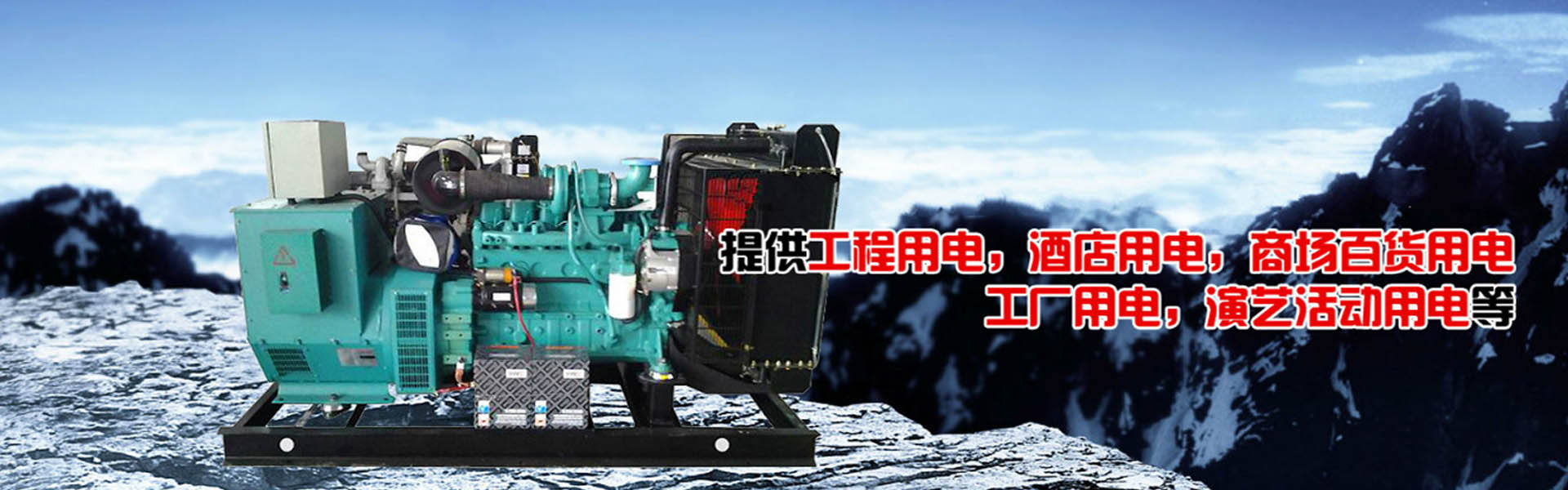
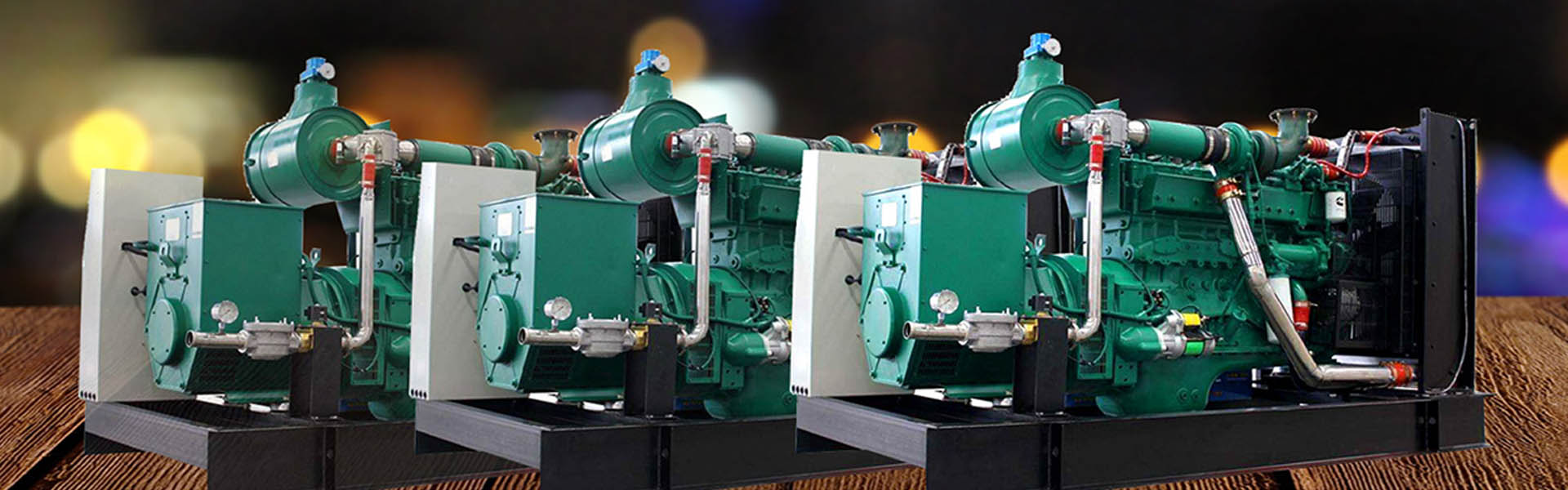
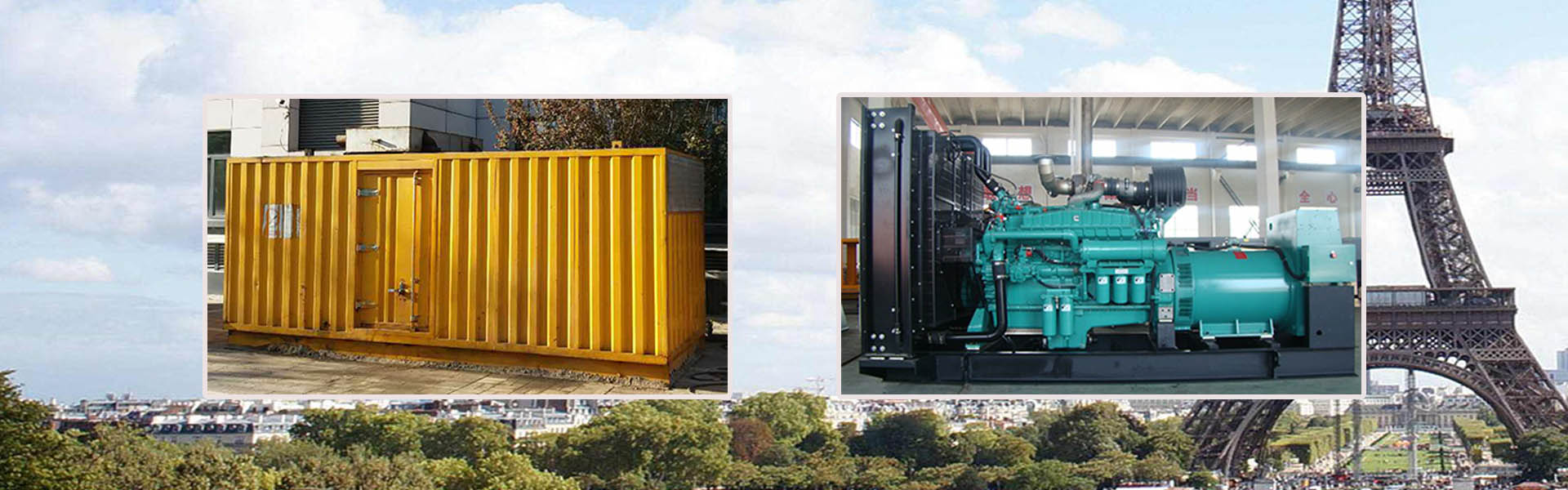
Specializing in generator rentals, including diesel generator leases, silent generator rentals, large generator rentals, emergency generator truck rentals, and various other power equipment rentals.


价 格Negotiable
最小起订0 Piece库存0 Piece
 Business Card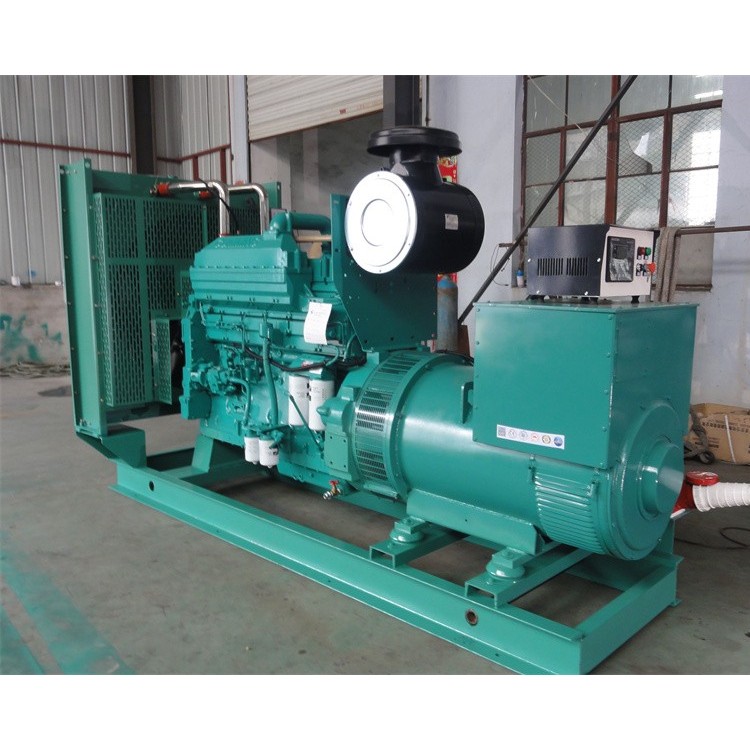
Negotiable

Negotiable

Negotiable

Negotiable
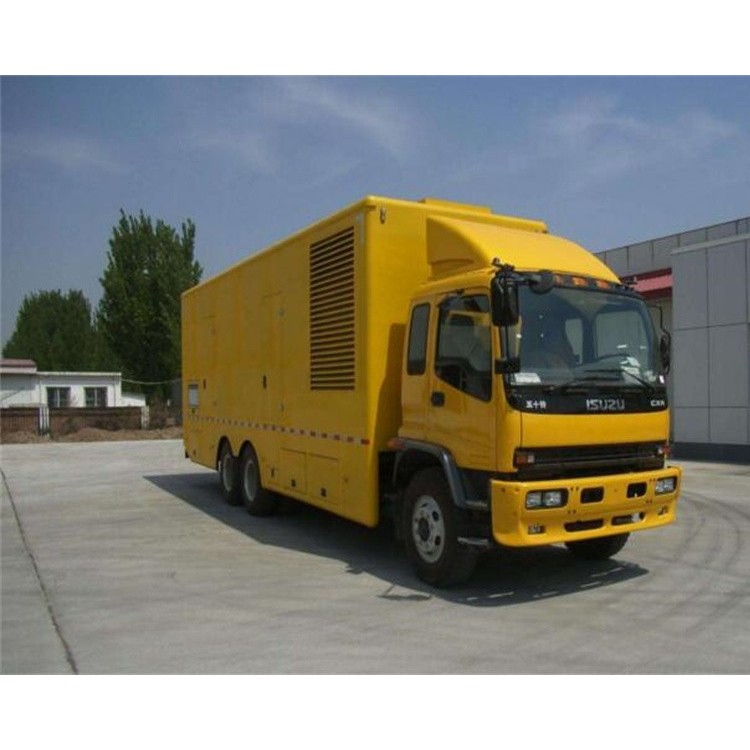 Generator Rental
Negotiable
Generator Rental
Negotiable
 800KW Generator Rental
Negotiable
800KW Generator Rental
Negotiable
 Large Generator Rental
Negotiable
Silent generator rental
Negotiable
Large Generator Rental
Negotiable
Silent generator rental
Negotiable
 Diesel Generator Rental
Negotiable
Diesel Generator Rental
Negotiable
 Diesel generator rental
Negotiable
Diesel generator rental
Negotiable
 400KW New National III Weichai Ge
Negotiable
400KW New National III Weichai Ge
Negotiable
 Diesel Generator Rental
Negotiable
Diesel Generator Rental
Negotiable
 Generator Rental
Negotiable
Generator Rental
Negotiable
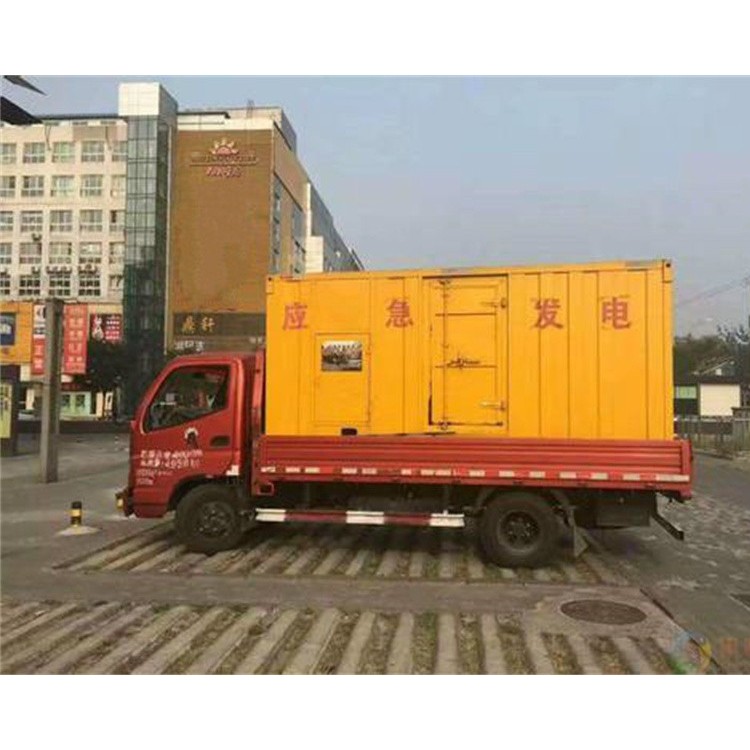 Generator Rental
Negotiable
Generator Rental
Negotiable
Diesel Generator Rental Company Explains How Diesel Generators Produce Electricity
1. Overview
Electricity is one of the main energy sources in modern society. Diesel generators are mechanical devices that convert other forms of energy into electricity. They are driven by turbines, steam turbines, diesel engines, or other power machinery, which convert the energy from water flow, air flow, fuel combustion, or nuclear fission into mechanical energy, which is then transmitted to the generator. The generator converts this mechanical energy into electrical energy. Generators are widely used in industrial and agricultural production, national defense, science and technology, and daily life.
Generators come in various forms, but their operating principles are all based on the laws of electromagnetic induction and electromagnetic force. Consequently, their general construction principle is to use appropriate magnetic and conductive materials to form magnetic and electrical circuits that interact through electromagnetic induction, producing electromagnetic power and achieving the goal of energy conversion.
The classification of generators can be summarized as follows:
Generator { DC Generator, AC Generator { Synchronous Generator, Asynchronous Generator (rarely used)
Alternators can also be categorized into single-phase and three-phase generators.
2. Structure and Working Principle
Generators typically consist of stator, rotor, end caps, and bearings, among other components.
The stator is composed of the stator core, winding assembly, base, and other structural components used to secure these parts.
The rotor is composed of components such as the rotor core winding (or pole, magnet shunt), retaining ring, center ring, slip ring, fan, and shaft.
The stator and rotor of the generator are assembled and connected by bearings and end caps, allowing the rotor to rotate within the stator, cutting magnetic lines of force, thereby generating induced electromotive force. This is then channeled out through the terminal connections and connected to a circuit, producing an electric current.
Electric Motor
Servo motors, also known as actuator motors, are used as actuating elements in automatic control systems to convert electrical signals into angular displacement or velocity on the motor shaft. They are divided into two main categories: DC and AC servo motors. Their main characteristics include no spontaneous rotation when the signal voltage is zero, a uniform decrease in speed as torque increases, and a permanent magnet rotor inside the servo motor. The driver controls the U/V/W three-phase electricity to form an electromagnetic field, causing the rotor to rotate within this field. Simultaneously, the motor's built-in encoder provides feedback signals to the driver, which compares the feedback value with the target value and adjusts the angle of the rotor's rotation. The precision of the servo motor depends on the encoder's precision (line count).

Phone Consultation