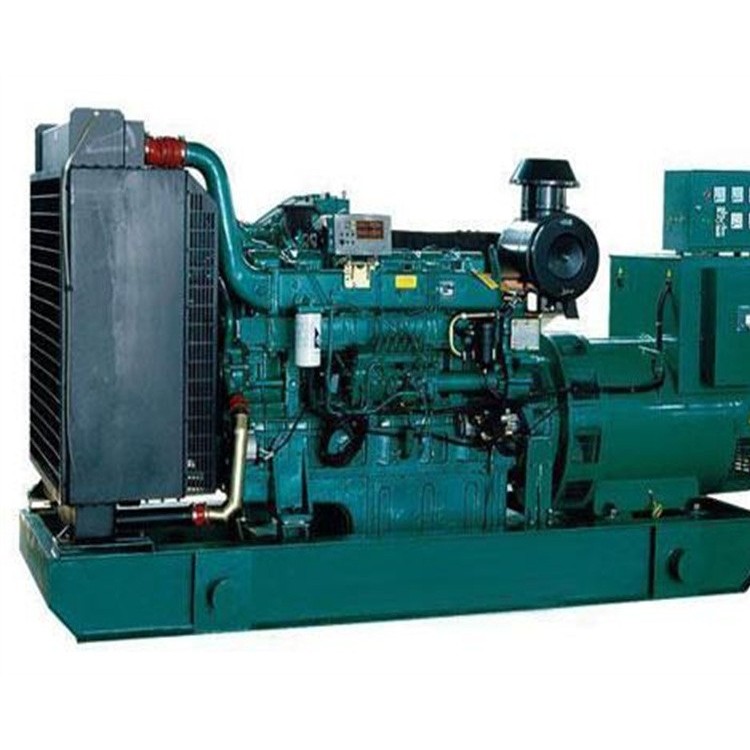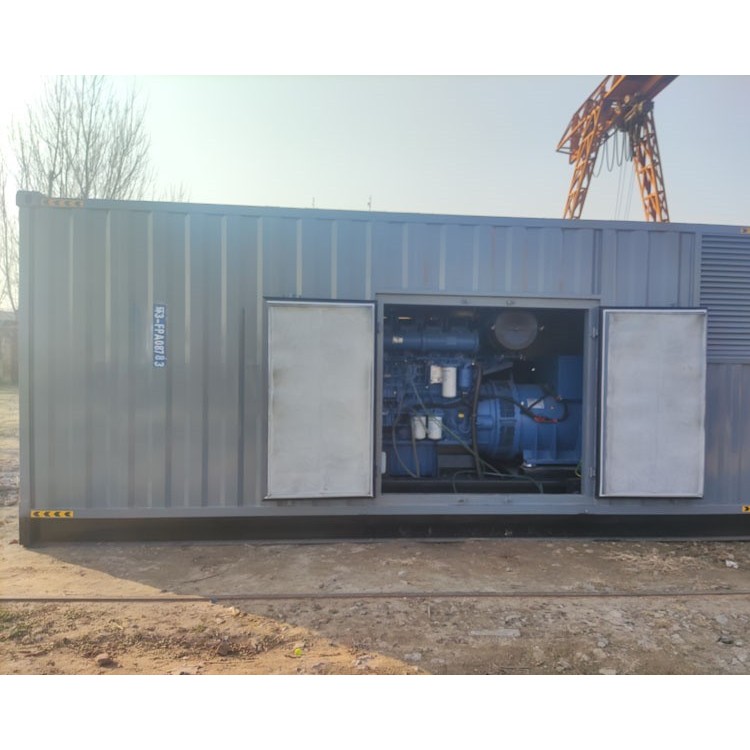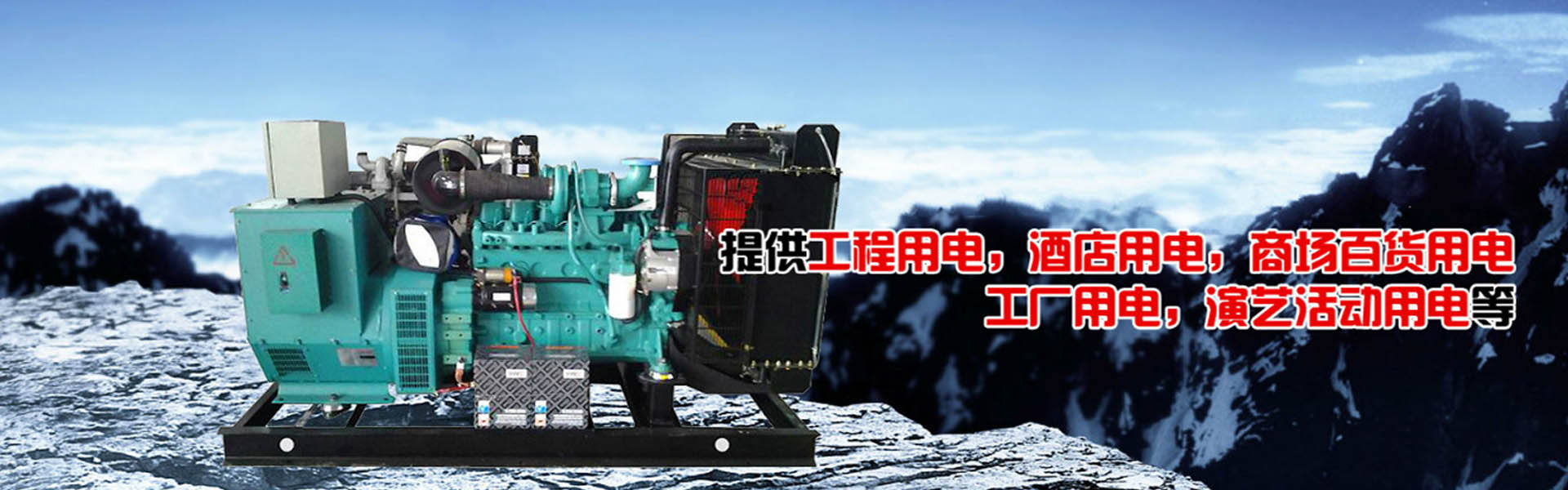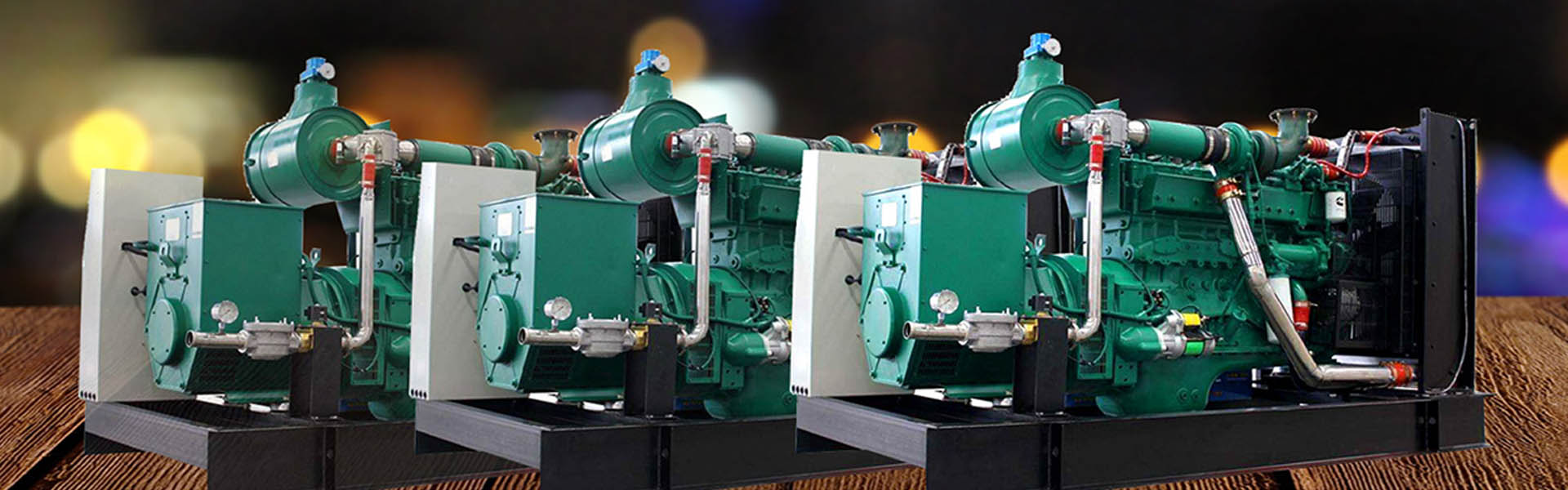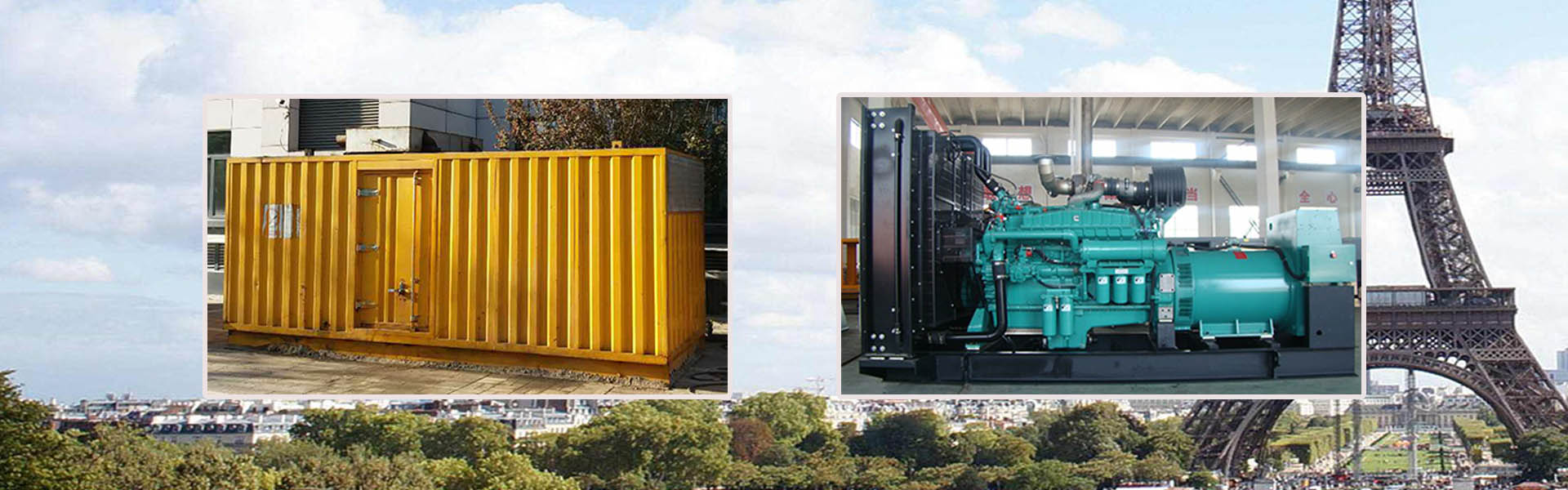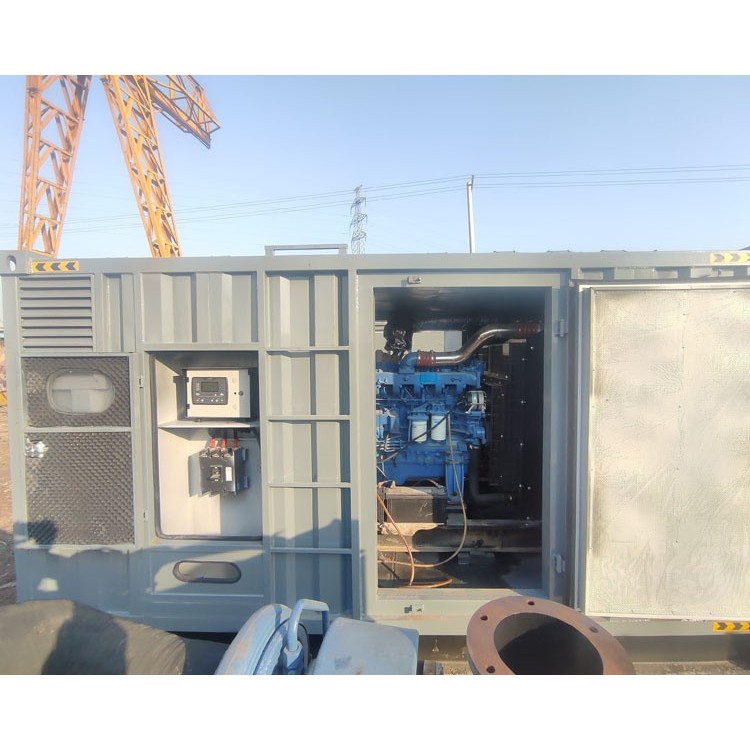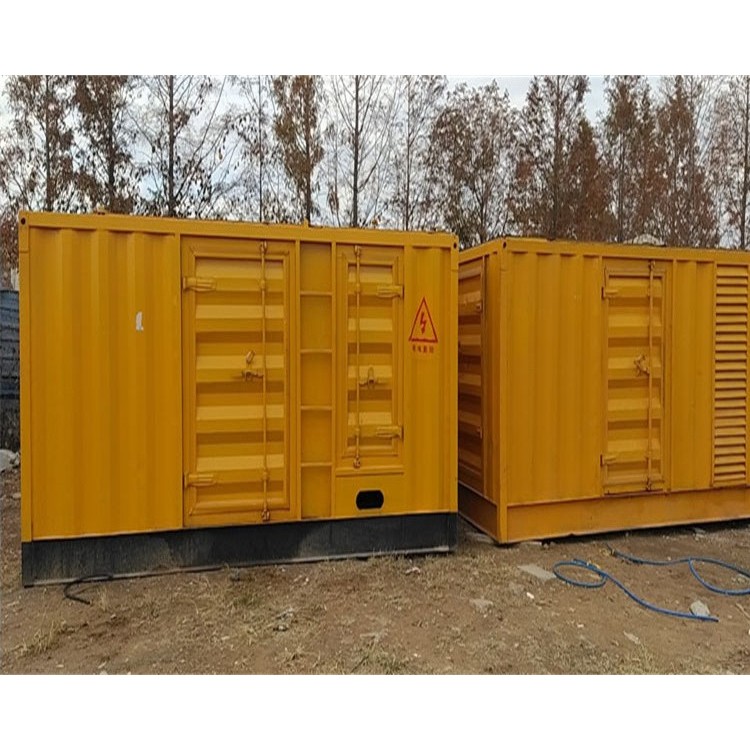
Specializing in generator rentals, including diesel generator leases, silent generator rentals, large generator rentals, emergency generator truck rentals, and various other power equipment rentals.
价 格Negotiable
最小起订0 piece库存0 piece
Diesel generator rental
Negotiable
500KW imported silent generator r
Negotiable
Diesel Generator Rental
Negotiable
Diesel generator rental
Negotiable
Cummins generator rented by the c
Negotiable
300KW Generator Rental
Negotiable
Diesel Generator Rental
Negotiable
Large Generator Rental
Negotiable
Silent power generator vehicle re
Negotiable
Silent generator rental
Negotiable
What are the rotors and stators in large generators and small generators?
In fact, the rotor is not a permanent magnet (like a common magnet), but rather made of electromagnets to facilitate easier acquisition and control over the magnetic field strength.
Large generators are all three-phase AC generators, and to increase the power generation capacity, the output voltage of the generators is usually around a few thousand volts. This, according to the formula P=UI, allows the current to decrease, thereby reducing the losses in the conductors.
The stator has 3 windings, each placed at a 120-degree angle. One end of two of these windings is bundled together, forming the neutral (ground) wire, while the other end of the remaining three windings constitutes the phase (hot) wires.
And the rotors are typically 2-6 poles. Since the number of poles on the rotor directly determines the frequency of power generation, but in China, the power supply is 50HZ, meaning there are 50 cuts per second of the magnetic flux lines, or 3,000 cuts per minute. In this case, if a single pole (rotor with only one electromagnet) were to rotate, it would require 3,000 RPM. With a 2-pole rotor, only 1,500 RPM is needed. For a 6-pole rotor, just 500 RPM is sufficient (the formula is 3,000 RPM per minute divided by the number of poles = RPM).
And in each of these poles, in fact, there is a winding that, through carbon brushes and the commutating ring (not a commutator, a circular ring that allows electrical power to flow into the rotor without affecting its rotation), sends a small portion of the electricity emitted by the stator after rectification to the rotor for magnetizing. By controlling the magnetizing current, the magnetic field strength, and thus the generated voltage and current, can be controlled.
Even without current flowing through the coil, the generator rotor has a small residual magnetism (i.e., the steel is slightly magnetized). Once it starts rotating, the stator can generate a little electricity, which can then slowly build up voltage. After that, the current is established to run the machine. For a new unit or one with no residual magnetism, external power can be used for magnetization. After the voltage is established, it can then switch to self-magnetization.
Large generators generate electricity in this manner.
Generators in laboratories typically use a stator with permanent magnets (i.e., regular magnets) to rotate the rotor. The conductors in the rotor cut through the magnetic field lines to generate electricity. The electricity generated is transmitted through slip rings (all generators use slip rings, each winding has two rings; usually, laboratories have one winding to achieve this electricity generation). Some have two windings, and to obtain direct current, a commutator is required. Otherwise, if using the slip rings directly, the electricity produced would be alternating current.
Clearly, the efficiency of large units is definitely higher than that of the lab.
It's a simple principle. If your generator's power rating is in the megawatt range (millions of watts) — as is the case with most large units, which are typically several megawatts or even hundreds of megawatts in capacity — then using slip rings to output electrical power will put a heavy load on the equipment. It may also cause instability in voltage and current due to poor contact. Additionally, the sparks generated are a form of loss, as the electricity is wasted through heat.
So, the generator mode of large units is more economical, more stable, and can be made with a high capacity and high stability, as well as higher power generation efficiency. Currently, all power plants use such units, including small gasoline generators (used in banks and internet cafes).

Phone Consultation