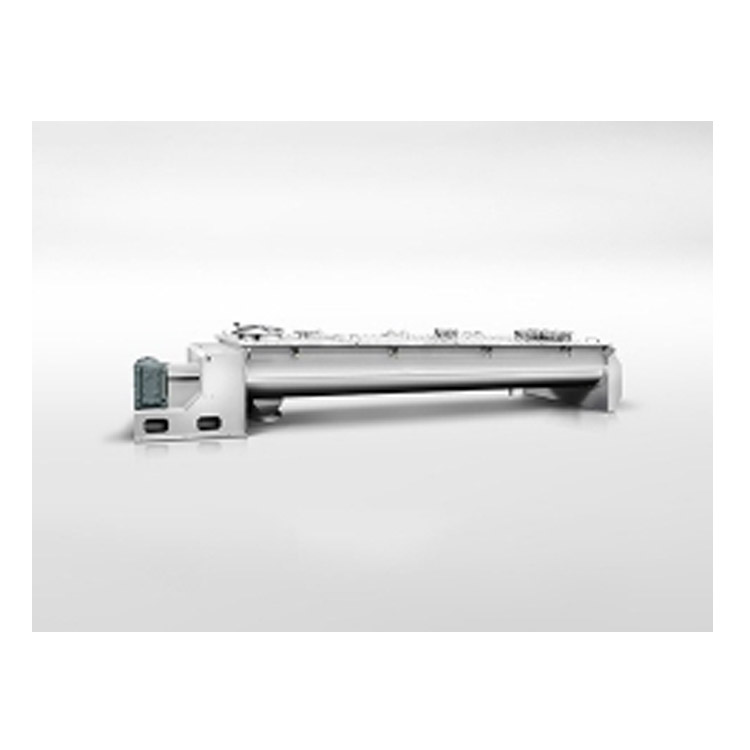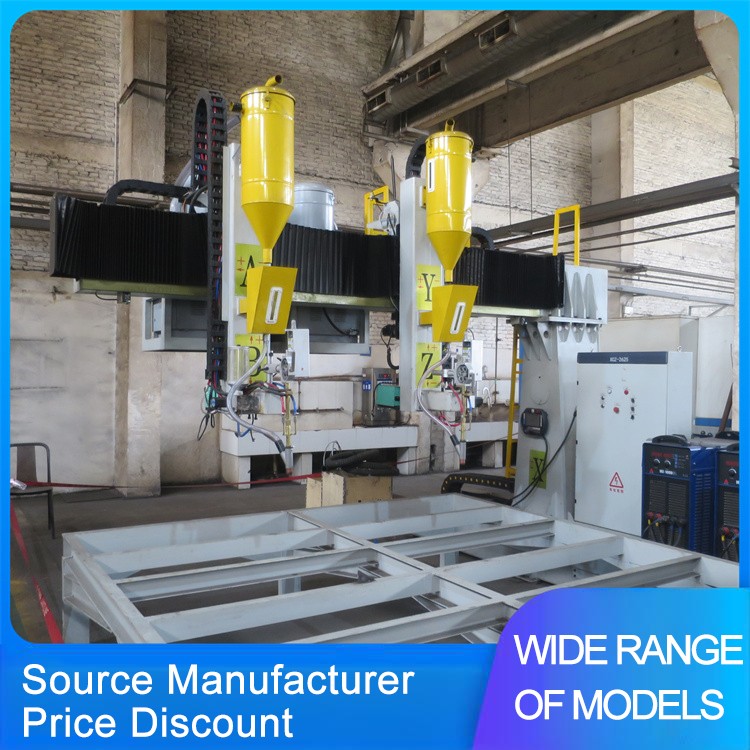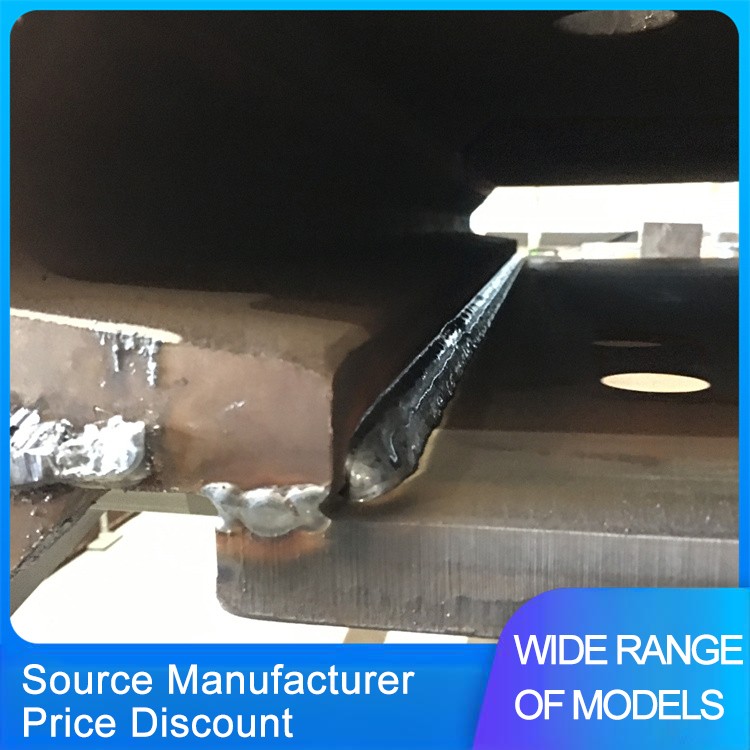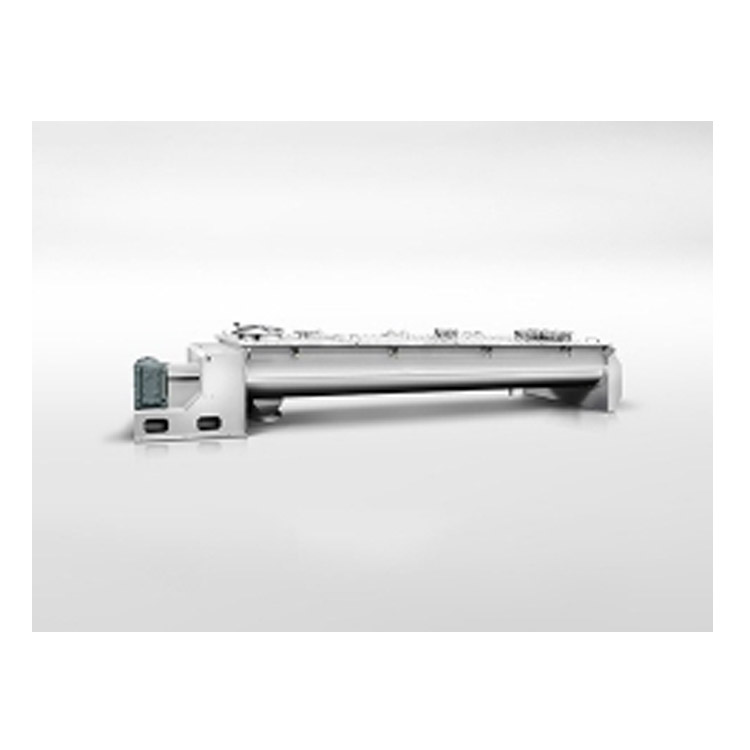

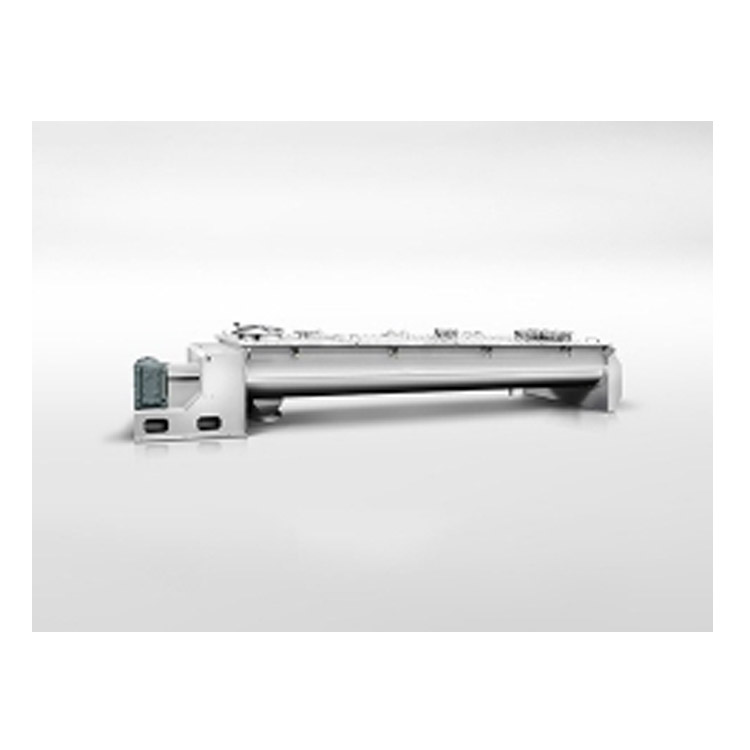
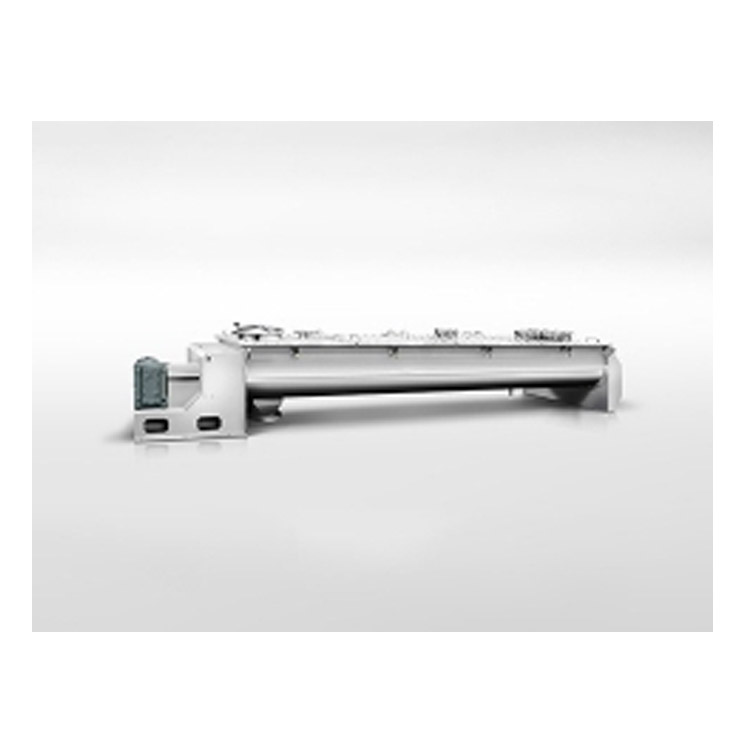
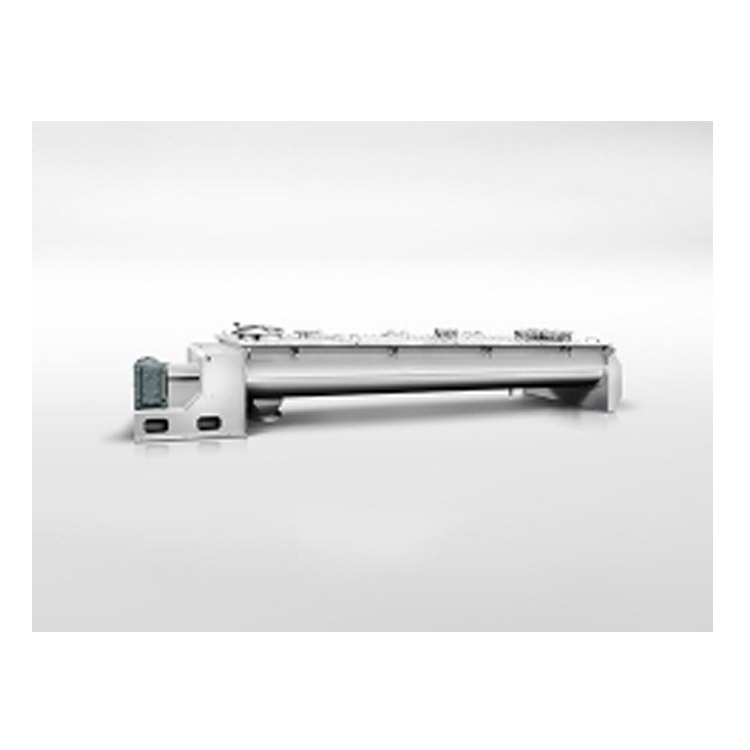










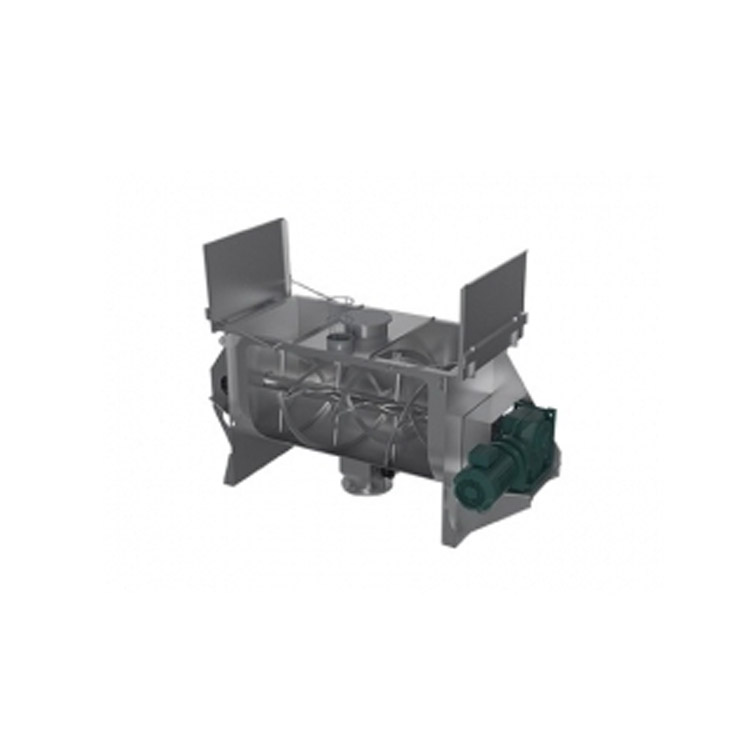
Continuous mixers enable simultaneous feeding and discharging for continuous production processes, suitable for large-scale production lines. They ensure uniform mixing while maintaining consistency and stability of the output material products.
Materials of different types are continuously fed into the equipment at predetermined ratios. The residence time of the materials within the drum is controlled by adjusting the speed of the conveying equipment, the mixer, and the discharge rate, achieving an ideal mixing effect under the action of the agitator while allowing for continuous discharge.
This equipment typically features a single-axis paddle/scraper + paddle combination, a single-axis continuous helical ribbon, or a dual-axis paddle/scraper + paddle combination. When selecting this equipment, users must provide detailed material characteristics and production requirements to facilitate our accurate selection.

Structural Principles
The Continuous Mixers are composed of a drum body, rotating shaft, agitator, transmission components, sealing components, inlets, and outlets. The paddle blades are connected to the shaft with bolts and nuts, and the paddle angle is adjustable. The main material enters through the feed port, while the auxiliary materials or additives enter through the auxiliary port, proportionally into the mixer. The motor drives the mixer to operate, where the paddle blades stir and toss the materials, achieving a quick and thorough mix. The spiral formed by the paddle blades continuously conveys the material towards the outlet, allowing for a continuous operation of mixing and discharge.

Equipment Features
1. Excellent blending performance, allows for continuous operation. A certain number of reverse blades can be set on the shaft in a regular pattern, creating material convection and enhancing the blending effect.
2. Variable Speed: Adjusting the speed controls the flow rate.
3. Adjustable blade angle: Different users have varying requirements for mixing uniformity and conveying time, which can be achieved by adjusting the blade angle to change the conveying and processing volume.
Optional Features
Material: Carbon Steel, 304, 316L
2. Configurable with heating or cooling jacket
3. Configurable atomizing nozzles available
4. Available in single-axis and dual-axis configurations
5. Mixers: Propeller type, Propeller + Plow blade combination, Continuous helical ribbon type
6. Cylinder: U-shaped or O-shaped
Usage Requirements
The feeding system must provide a stable supply and be able to maintain uninterrupted feeding.
2. The feeding speed of various materials must be supplied in proportion to the formula.
3. The downstream process equipment for the continuous mixer must be able to promptly handle the materials discharged by the continuous mixer, and must not cause material blockage.
4. Additives with a lower proportion, such as those below 5% content, must be pre-mixed in the process design before their concentration can be increased for supply.
5. The feeding speed of the system process determines the output of the continuous mixer, and the output requirements, as well as the mixing uniformity and properties of the material, dictate the size and type of the mixing equipment.
Typical Parameters (Plow Blade Style)