









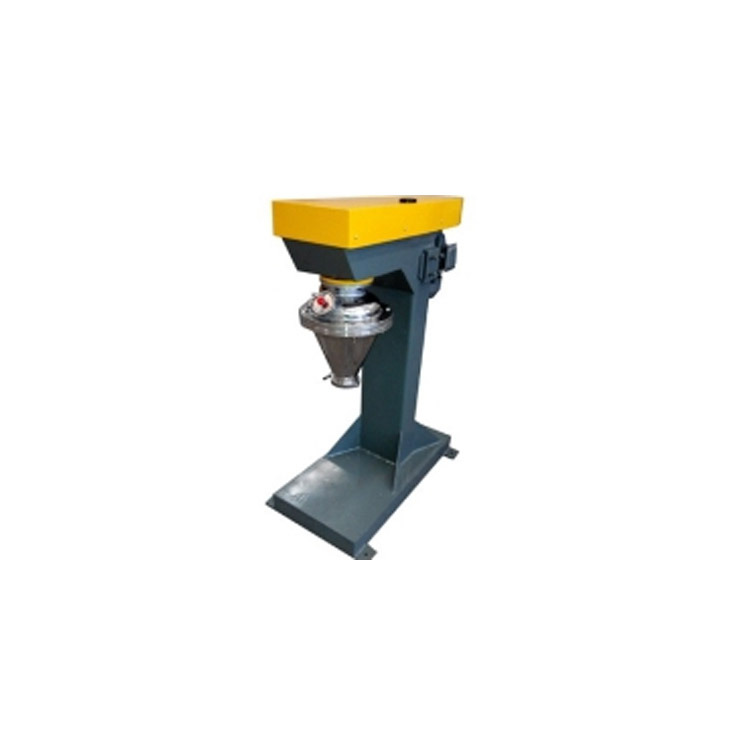
Equipment Introduction
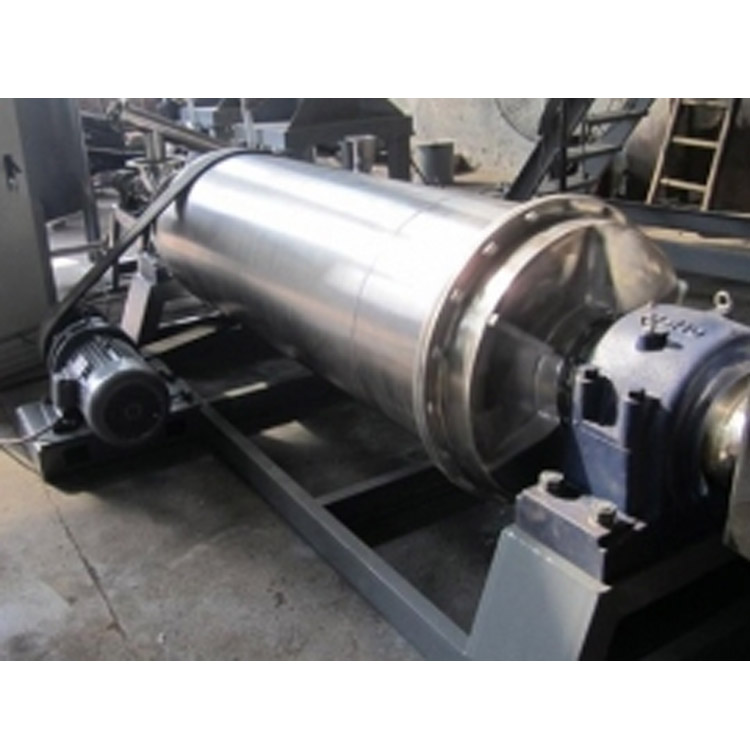
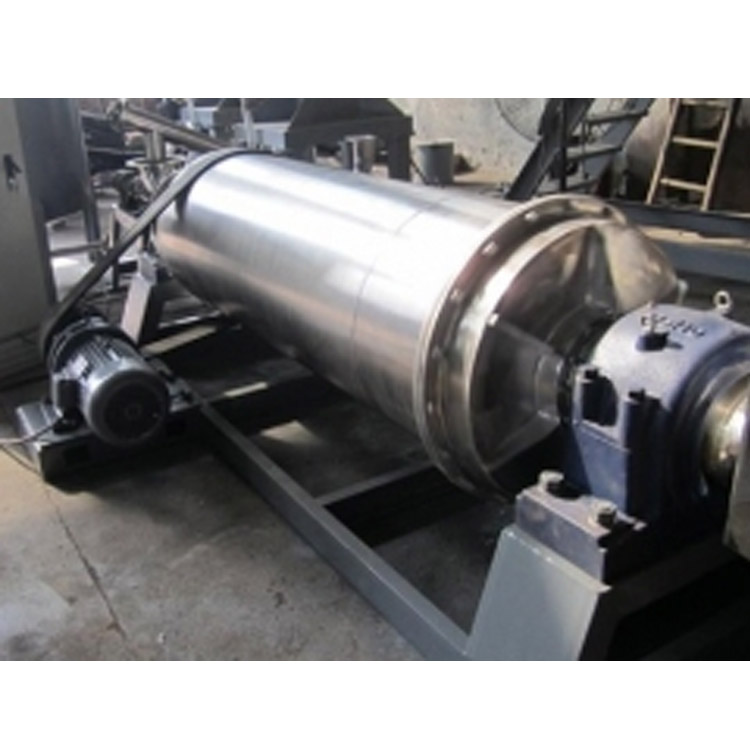
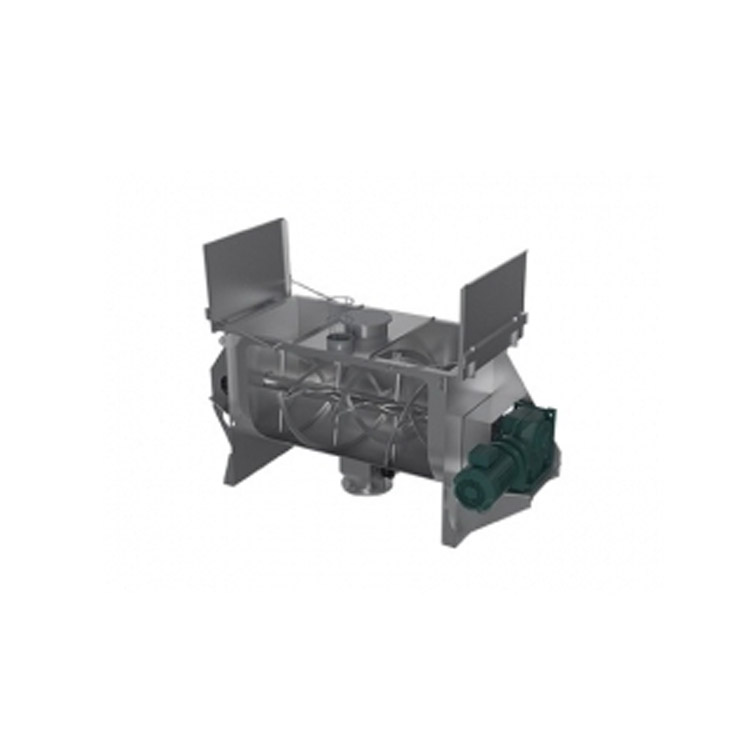
Continuous horizontal ball mills are essential equipment for dry or wet grinding in industries such as silicate products, new building materials, refractory materials, fertilizers, non-ferrous and ferrous metals, quartz sand, and glass ceramics.
This machine utilizes a horizontal cylindrical rotary unit, driven by external gears, sprockets, or belts, and features a two-compartment grid-type grinding chamber.
This machine consists of feeding, rotation, transmission, grading, and discharge sections, with the inner lining customizable according to customer specifications. The equipment operates smoothly with safe and reliable performance.

Working Principle
Material is evenly fed into the ball mill chamber through the hollow shaft of the feeding machine, where it encounters three different sizes of ball media. As the drum rotates, centrifugal force lifts the ball media to a certain height before they fall, exerting a heavy impact and grinding action on the material. After achieving coarse grinding in the chamber, the material passes through a single-layer separator plate into the second chamber, which contains four different sizes of ball media for further grinding. The powdered material is then discharged through the outlet sieve plate and enters a vibrating sieve mill for classification, completing the grinding process.

Typical Parameters
Model | Speed (rpm) | Ball Filling Weight (T) | Output (T/h) | Motor Power (kW) |
MWLM-φ900*1800 | 38 | 1.7 | 0.5-1.7 | 15 |
MWLM-φ900*2400 | 35 | 2.2 | 0.8-2 | 22 |
MWLM-φ1200*2400 | 32 | 3.9 | 1.5-2.5 | 37 |
MWLM-φ1200*3000 | 30 | 5 | 1.7-3.2 | 45 |
MWLM-φ1200*4500 | 28 | 7.3 | 2.5-4.2 | 55 |