



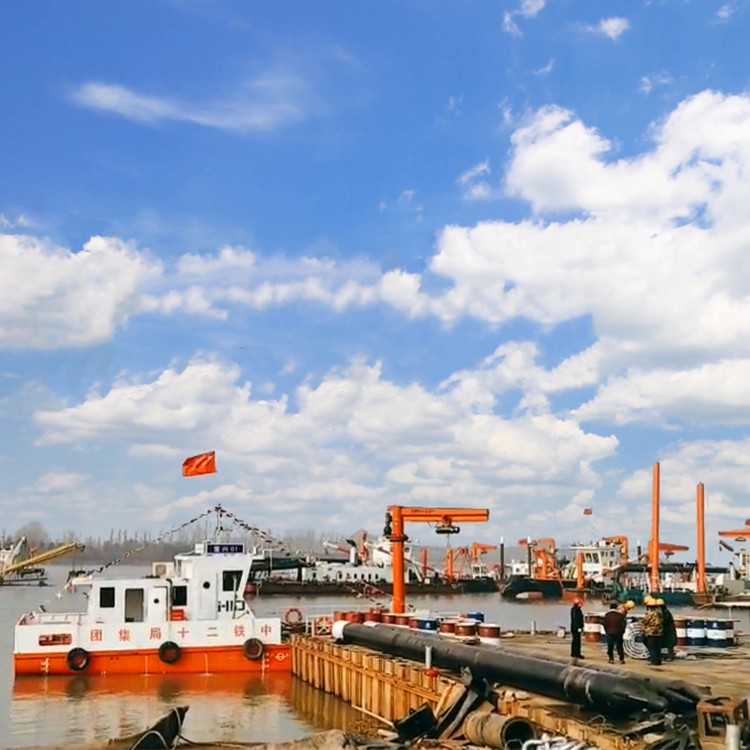














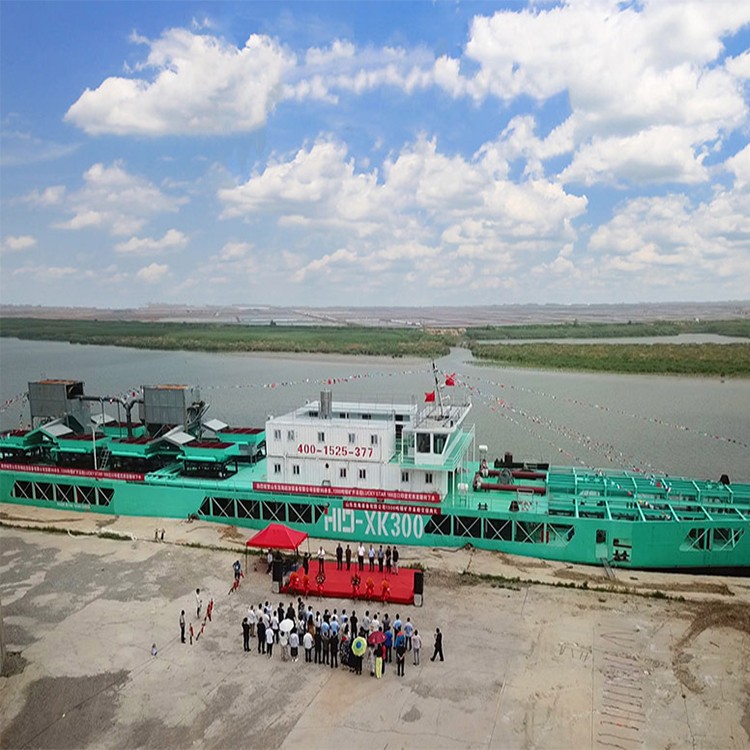
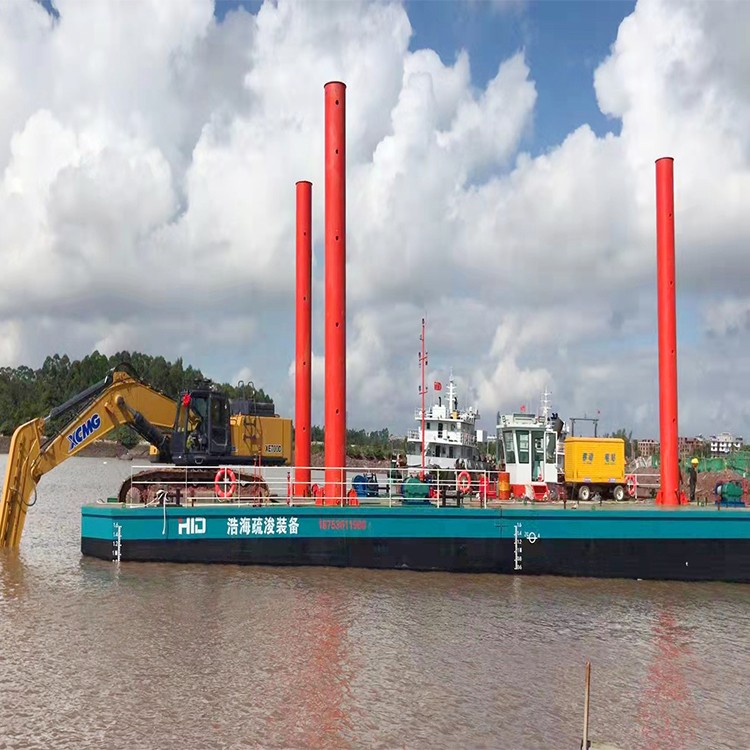
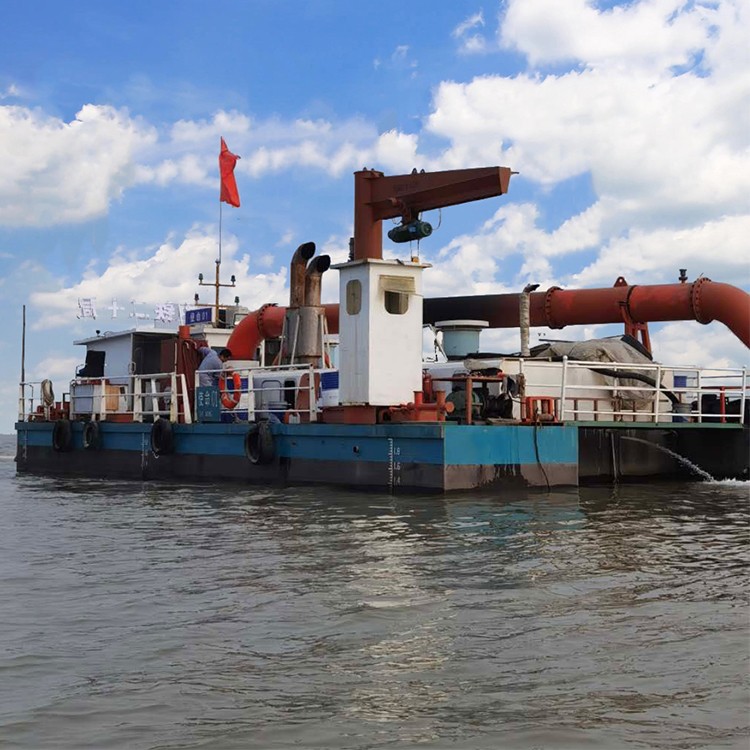
Tugs provide power to other vessels, thanks to their compact size, powerful engines, and flexible operation. They are mainly used in inland waterways or in crowded or narrow sea areas to tow other ships quickly, to work efficiently, and to prevent accidents.
We often see an immense tugboat, with a powerful engine occupying more than half of its hull space, dragging a long line of barges while blowing its horn slowly across the river. It can transport a large quantity of goods in one trip. The tugboat's body forms a curve from bow to stern, not only aesthetically pleasing but also highly functional. The high bow is designed to push or pull ocean-going vessels into or out of berths. The long, flat deck allows for easy deployment and retrieval of towlines. The heavy and deep hull enhances stability. Besides towing ocean-going vessels in rivers and harbors, the tug's responsibilities also include assisting in the construction of offshore oil facilities, rescuing stranded ships, and towing derelict vessels across the sea to ship-breaking yards, among others.
2. Also known as a triple-purpose workboat, a tow/anchor-handling/supply vessel. A multipurpose workboat providing services for offshore oilfield development projects. Main tasks include towing drilling platforms to new well locations or other floating marine structures; assisting with the positioning and mooring operations of drilling platforms; transporting and supplying drilling pipes, cement, fuel, freshwater, drilling mud, chilled goods, and other supplies for daily living.
3. Tugboats are versatile workboats specifically designed for towing other vessels or floating structures. They are widely used in inland waterway navigation, port operations, marine rescue, and marine development.




















