



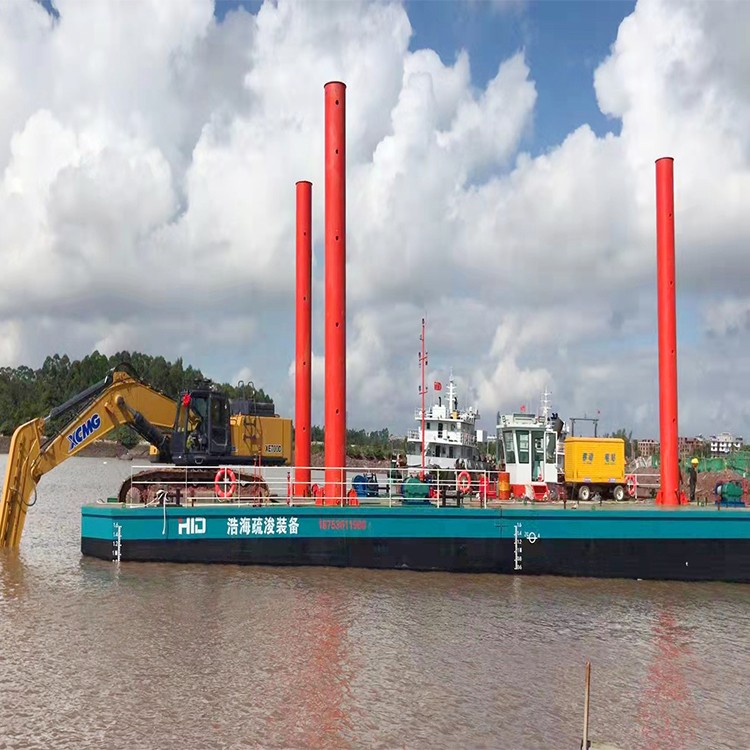














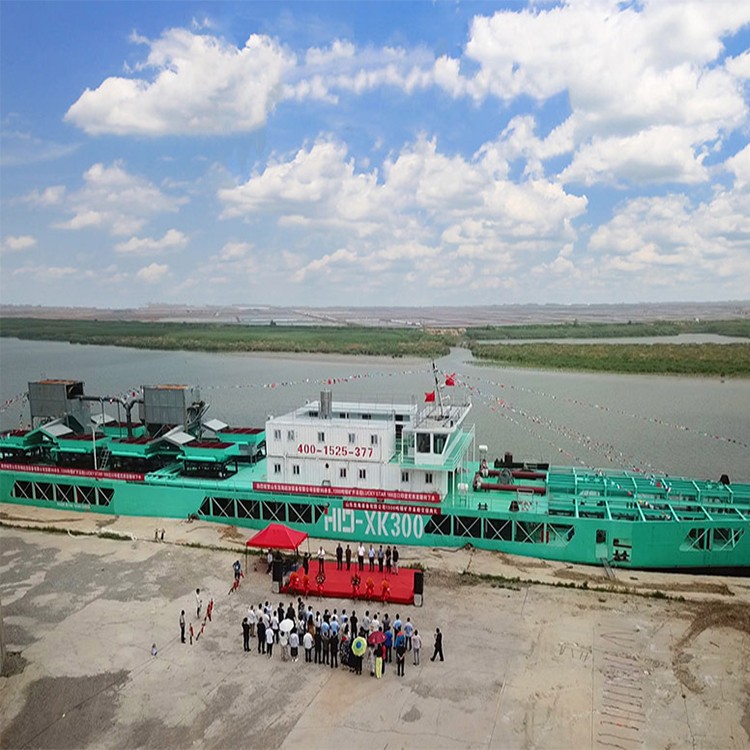
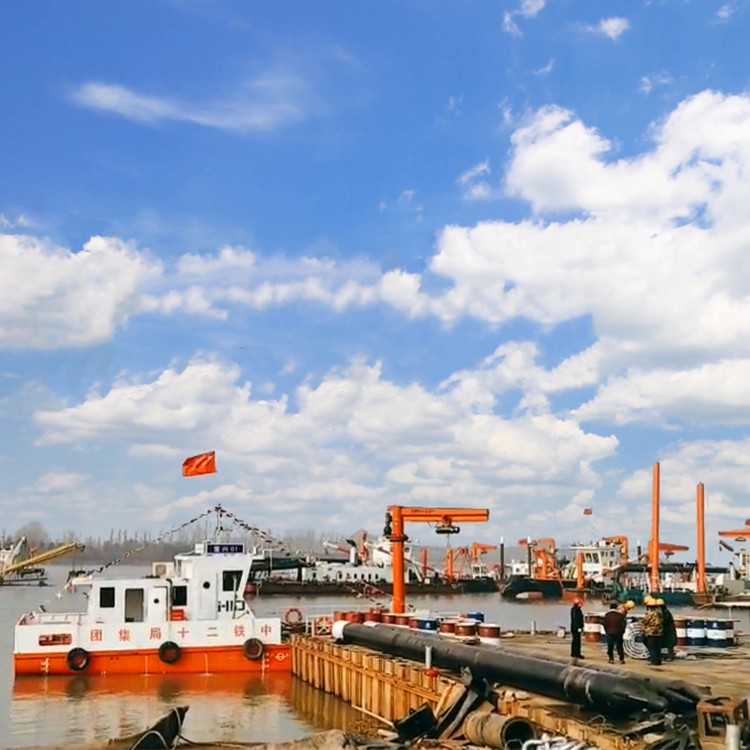

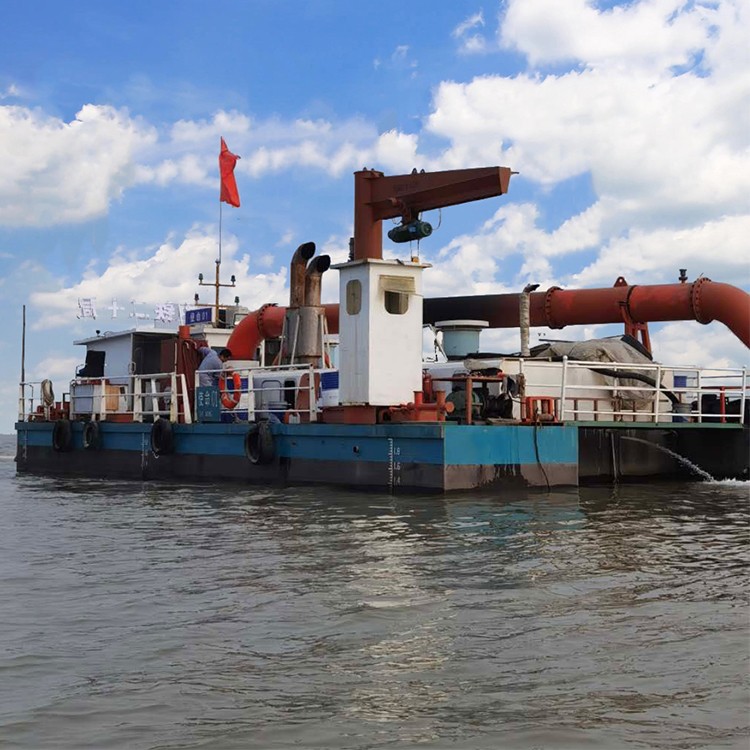
Floating platforms, referring to structures that float on water and can support certain weights, are used for floating docks, mooring small and medium-sized boats, and large cargo terminals requiring cranes, but not for such purposes. They can also serve as auxiliary tools for maintaining or repairing ships, boat equipment, and other watercraft. Furthermore, they can assist in the implementation of fish farming cage operations and in setting up floating platforms to aid other machinery in their operations.
Floating platforms are constructed from trunks, boats, or other buoyant bodies, are relatively primitive and lack stability, suitable only for temporary use. In recent years, with the introduction of superior foreign technology, composite modular buoyant floats made from high-density polyethylene (HDPE) and aquaculture net cages through blow molding processes have been utilized. These floats can be freely assembled into various shapes of floating platforms, featuring easy installation, convenient disassembly, cost-effective aquaculture net cages, and durability. Floating platforms can be used to create water stage, sightseeing platforms, construction platforms, and waterfront platforms.




















