



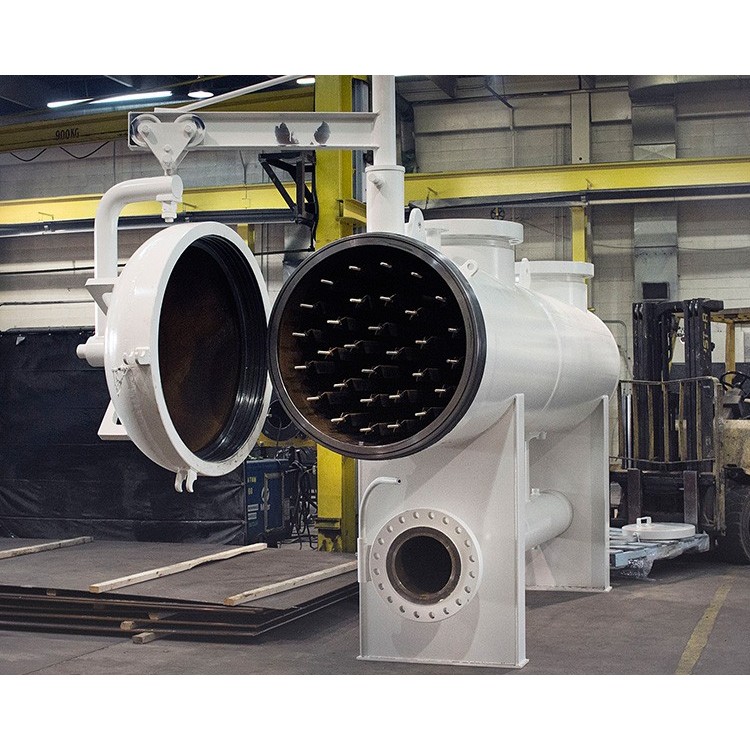













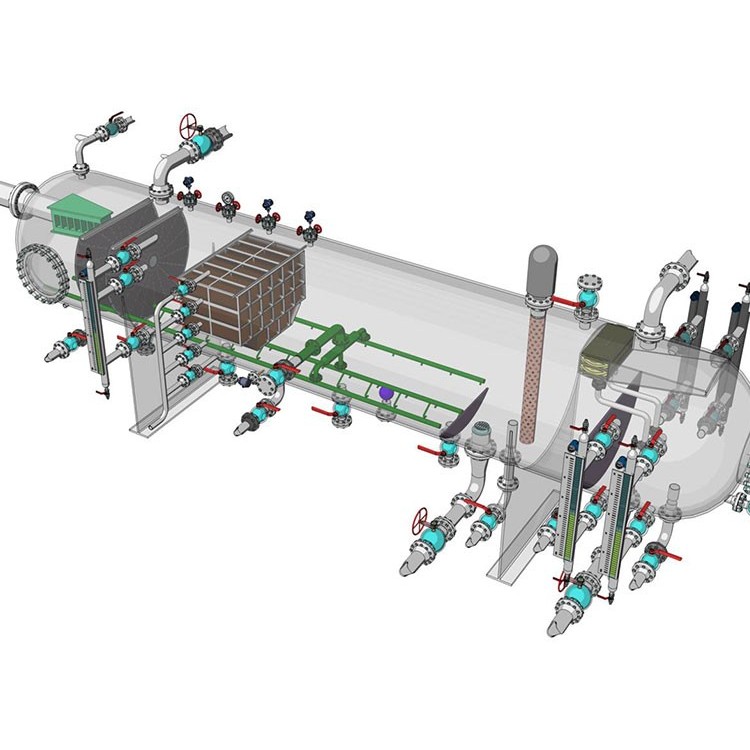


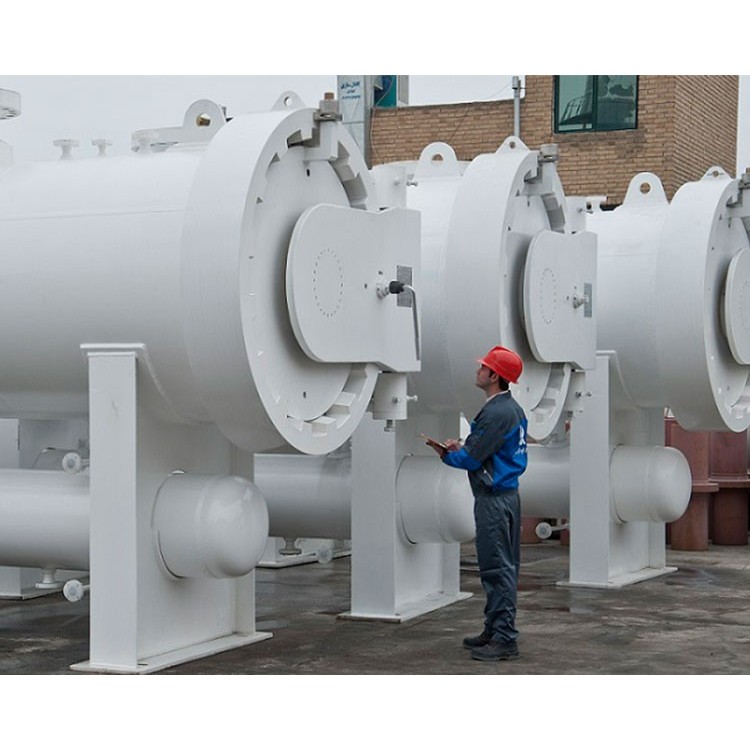

Based on the customer's operating parameters, design and select the appropriate models to meet their requirements.
1.Technical Description:
Remove fine solid particles and difficult-to-remove liquid droplets from gases using mechanical physical principles such as gravity, collision, filtration, and coalescence. Commonly used for removing extremely fine droplets from gas media to protect downstream precision instruments and equipment, recover products, or purify gases.
2.Design Selection:
Combining medium characteristics, operating parameters, site conditions, and requirements for filtration and agglomeration, design and select appropriate separation, filtration, and agglomeration technologies.
•Imported Equipment - Blade Type, Cyclone Type, Baffle Type
•Separation Elements - Blade Type, Cyclone Type, Mesh, Swirler
•Filter Elements - Plate Filters, Core Filters, Pleated, Depth
•Agglomeration Elements - Plate-type Agglomeration, Filter Core Agglomeration
•Select multi-stage separation plus coalescence based on requirements.
3.Technical Specifications:
•Separation accuracy: 0.3 micrometers
•Separation Efficiency: 99.9%
•Structure Type: Vertical/Lateral
•Component Material: Glass Fiber, Polyester, Polypropylene, etc.
4.ApplicationsIndustry:
Utilized for removing fine particles and difficult-to-handle mist droplets from gases, such as lubricants and ethylene glycol, to protect downstream precision instruments and equipment. Widely applied in the gas and liquid purification and separation filtration industries for natural gas transmission, oil and gas extraction, refineries, chemical plants, and energy and similar sectors. Typical applications include:
•Natural gas transmission systems, wet gas, dry gas filtration and separation, etc.
•Compressor inter-stage system, gas purification, such as oil removal.
•Chemical refining plant, gas separation and purification.
•Remove hydrocarbon liquids from gases.
•Protect solid desiccant and molecular sieve beds from contamination by lubricating oil, ethylene glycol, and ammonia.
•Remove impurities from turbine fuel gas.Remove diethylene glycol carried downstream from contactors that come into contact with ammonia.
•Remove liquid and solid particles from the gas analyzer gas sample
•Propane refrigeration system: Separates lubricating oil from propane


















