


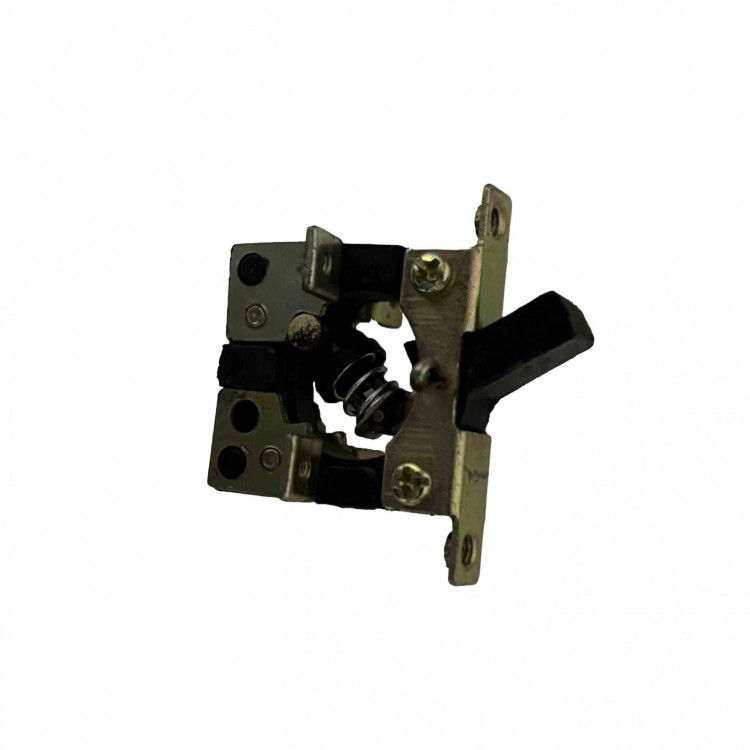
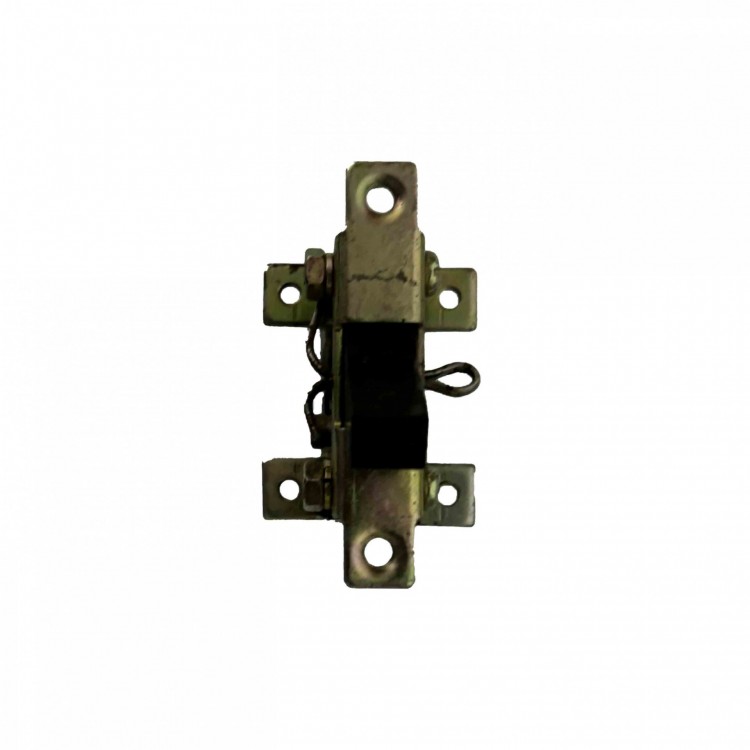
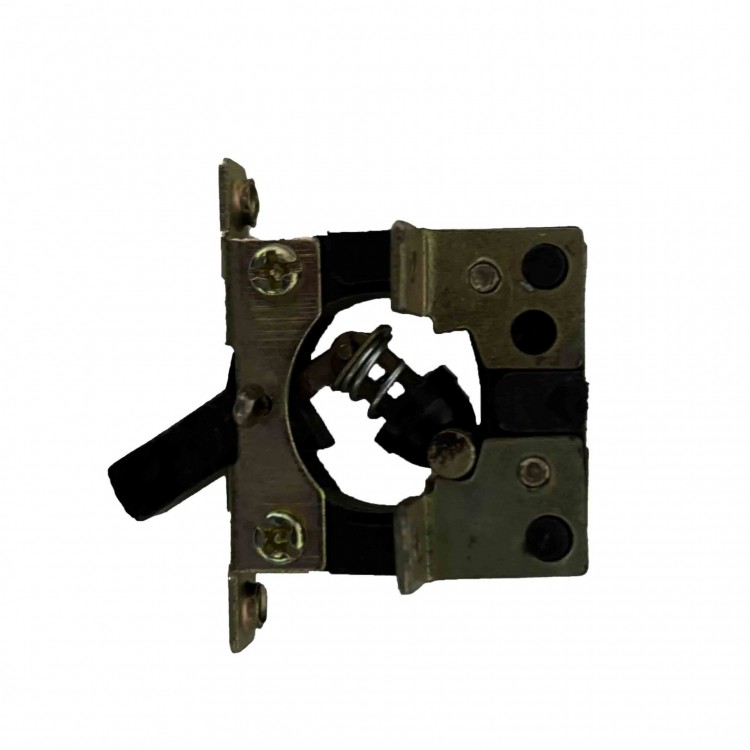













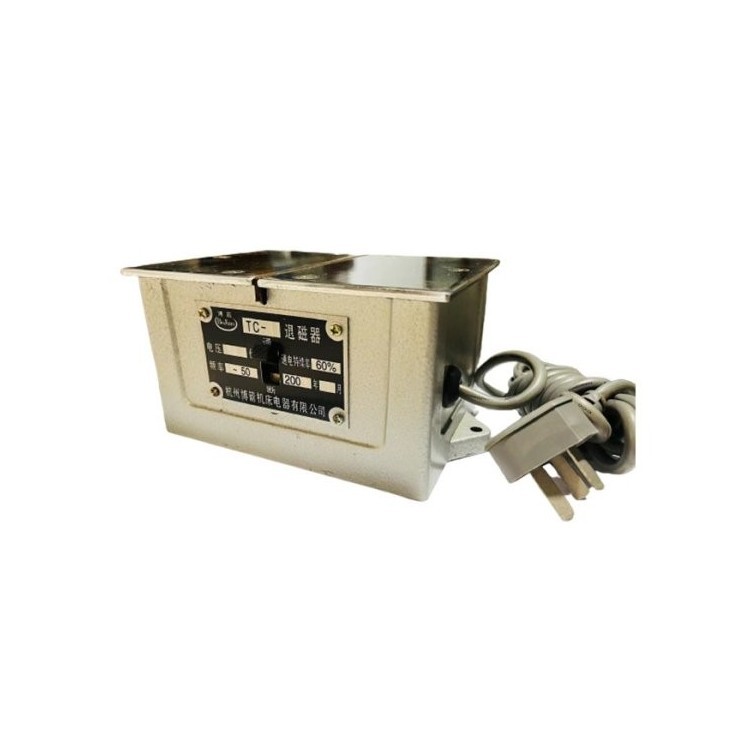
A pilot switch is an electromechanical device that changes the wiring of the control circuit according to a predetermined program, used to control contactors, relay coils, and other non-automatic switching devices as well as magnetic pilot elements in various control circuits.
It is directly manipulated by the operator, issuing command pulses to other mechanisms to start or stop the equipment, and change the operational state of the equipment (tripping or closing).
Control switches, also known as operation keys, are a type of combination switch with a turnable handle, commonly used for controlling motors and valves.
Category:
Primary types include push buttons, position switches, changeover switches, master controllers, and other master switches such as proximity switches, foot switches, cross switches, signal lights, etc.
Categorized by type, there are standard and combined models; by the number of contacts, there are various combinations from one to four make or break contacts; and by the application of contact elements, there are rapid-acting contact elements and slave contact elements, among others.
Function:
The master switch is primarily used for closing and opening control circuits, to issue commands or serve as program control, thereby achieving control over electric drives and production machinery.
It is an essential component for human-machine interaction and dialogue, specifically designed to send commands or signals, hence termed as a "command relay."
Terms of Use:
Ambient air temperature shall not exceed +40℃; the average temperature within 24 hours shall not go beyond +35℃; the minimum temperature is -5℃.
The installation site's altitude does not exceed 2,000 meters.
Relative humidity should not exceed 50% at the highest temperature of +40℃, and can be higher at lower temperatures.
Application:
The master command controller, also known as the master switch, is primarily used in electrical transmission systems to sequentially connect and disconnect contacts, achieving the purpose of issuing commands or other control circuit interlocking and switching.
Suitable for frequent connection and disconnection of circuits, often used in conjunction with magnetic starters for remote control of the starting, braking, speed regulation, and reversing of wound asynchronous motors. It is applied in the control systems of traction motors for various lifting machinery.
Operating Principle:
The operating principle of the master switch is the same as that of the changeover switch, both controlled by cams to operate the contact system.
The cam angle is determined by the controller's structure, and the number of cams required depends on the control circuit specifications.
The applicable scope and technical requirements for the main command switch are as follows:
Application Scope
Coal mining production:
The mining main switch is primarily used to control the start and stop of local fan blowers, water pumps, and air compressors underground in coal mines, and also serves as a power switch device for non-frequent connection and disconnection of various control circuits.
Especially, the KBM-3/110 explosion-proof main switch is suitable for controlling the conversion of lighting and signals on underground transport vehicles in coal mines with methane and coal dust hazards.
Electrical transmission equipment:
Main command controller (also known as main command switch) is mainly used in electrical transmission systems to sequentially connect and disconnect contacts, issue commands, or control circuit interlocking and switching.
Control systems for traction motors used in various lifting machinery, enabling control over power transmission and production machinery.
Contactor, Relay:
The master switch is used for controlling various non-automatic switching devices and magnetic master elements for contactors, relay coils, and other control circuits.
Technical Requirements
Product Standards:
The main command switch for mining must be produced strictly in accordance with standards such as MT847-2011 "Explosion-proof Transfer Switches for Coal Mines" and GB3836.1-2010 "Part 1: General Requirements for Equipment in Explosive Atmospheres."
Shell grounding and electrical spacing:
During installation and use, ensure the main switch housing is reliably grounded and that the electrical clearances and creepage distances comply with relevant regulations.
Component replacement:
When replacing components, ensure they meet the requirements specified in the component's user manual.
Inspection and Maintenance:
During maintenance and inspection, it is strictly prohibited to open the cover while the equipment is live. Additionally, the power supply to the preceding stage must be disconnected.
Transportation and Storage:
During transportation and storage, prevent severe mechanical impacts and exposure to sun and rain. Keep away from fire and heat sources.
Terms of Use:
Ambient air temperature surrounding the equipment should not exceed +40℃ and the average temperature over a 24-hour period should not be more than +35℃; the minimum temperature is -5℃.
The installation site's altitude does not exceed 2000m.
Relative humidity does not exceed 50% at the highest temperature of +40°C, and can be higher at lower temperatures.
Vibration and Pollution Grades:
The master switch should operate under vibration conditions with a frequency of 10~55Hz and an amplitude of 0.75mm (10g).
The pollution level is specified as "Pollution Level 3," unless specific product standards dictate otherwise, or it may be reduced to "Pollution Level 2" only after effective use of cases, protective coatings, or sealing methods.