
















I. Product Overview
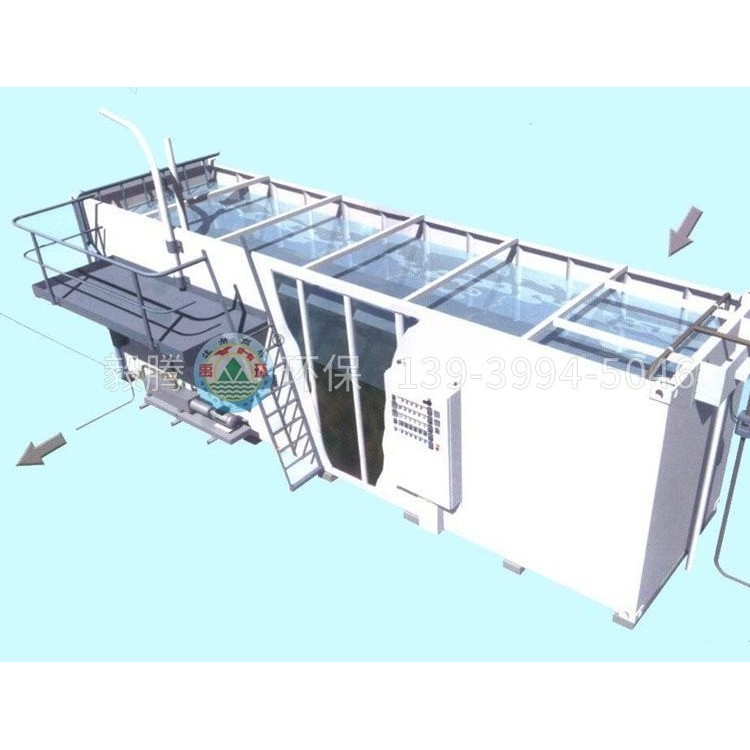
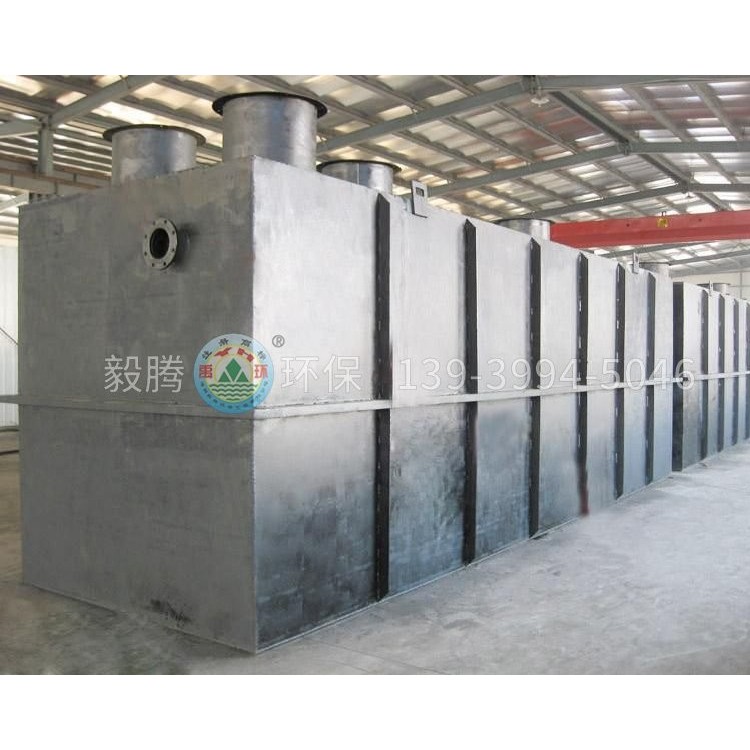
In recent years, the SBR process has rapidly gained popularity in China and is now widely used in wastewater treatment plants in both large and medium-sized cities as well as industrial wastewater treatment facilities. Our company, in collaboration with a research institute, has jointly developed the SRB-B series of wastewater treatment equipment, which has achieved widespread promotion and application in the wastewater treatment field due to its excellent organic matter removal and de-nitrification and de-phosphorus effects. This has become a successful activated sludge process wastewater treatment equipment launched into the market, receiving unanimous praise from both users and environmental protection departments.
Scope of Application
Wastewater treatment for domestic, urban, food processing, slaughterhouse, and brewing effluents.
Treatment of organic wastewater from dyeing, textile, petrochemical, and leather industries.
Nitrogen and phosphorus removal from wastewater treatment.
III. Working Principle
The SBR process is a wastewater biochemical treatment technology that integrates functions such as adjustment, primary sedimentation, biological degradation, and final sedimentation drainage. It consists of 5 stages (inflow, reaction, sedimentation, drainage, and idle periods), with the time from the inflow of wastewater to the end of standby time considered as one cycle. All 5 stages are implemented within the same reactor. This operational cycle is repeated continuously to achieve the purpose of continuous wastewater treatment.
Section 4: Product Features
No sludge expansion prone. Particularly during the wastewater entering the biochemical treatment unit, maintaining an anaerobic state reduces the SVI (Sludge Volume Index) and also saves on aeration energy costs.
No need for secondary sedimentation tanks and sludge recycling systems. The composition of the treatment structures is simple, and the equipment and operation management costs are also smaller compared to continuous processes.
Effectively removes nitrogen; the active sludge in the SBR reaction tank alternates between anaerobic, anoxic, and aerobic states. By appropriately adjusting operating conditions, the purpose of deoxygenation and phosphorus removal can be achieved.
High impact load resistance and high oxygen transfer rate. The SBR reactor strictly follows the time-based flow, resulting in a higher organic concentration gradient during operation, with the microbial RNA content being 3-4 times higher than that in a continuous activated sludge system. Therefore, it can treat high-concentration or harmful wastewater, and with proper operation, it can achieve better water quality than continuous processes.


















