

















One, ProductProduct Overview
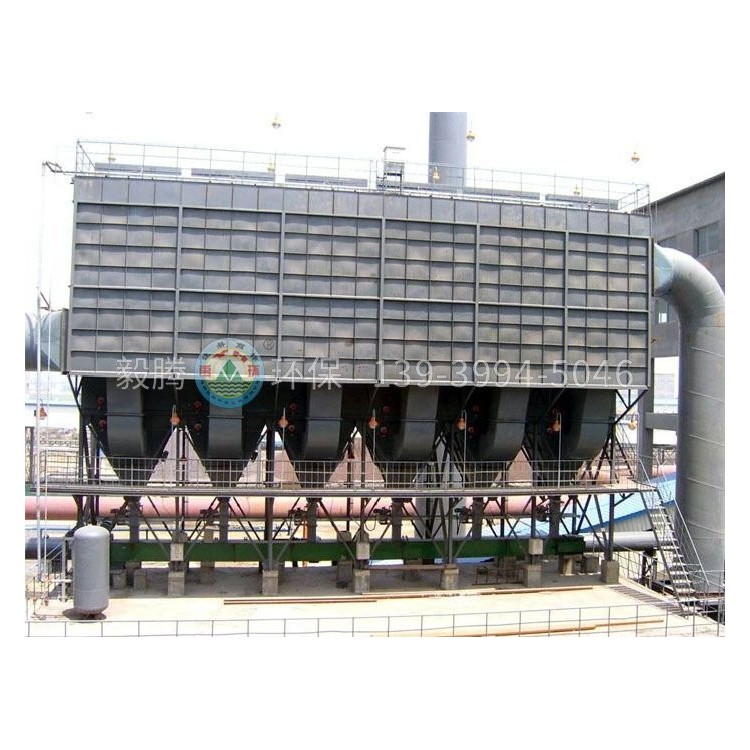
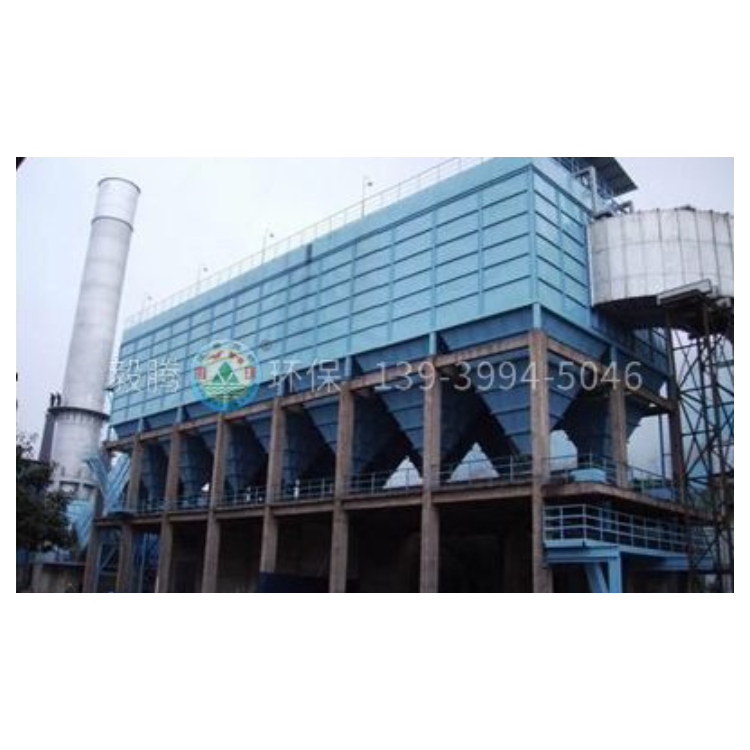
The Low-Pressure Pulse Long Bag Dust Collector is a new and efficient bag dust collector developed based on the summary of various bag dust collectors. It employs offline low-pressure pulse jet cleaning technology, preventing re-adherence of dust and uncontrolled issues, enhancing the cleaning effect of the filter bags, increasing filtration speed, saving cleaning energy consumption, and extending the lifespan of the filter bags. The Low-Pressure Pulse Long Bag Dust Collector utilizes a PLC programmable controller for automatic control of the entire cleaning and conveying process. Therefore, this dust collector is a large-scale dust removal equipment with high air handling capacity, excellent cleaning performance, high dust removal efficiency, reliable operation, convenient maintenance, and small footprint.
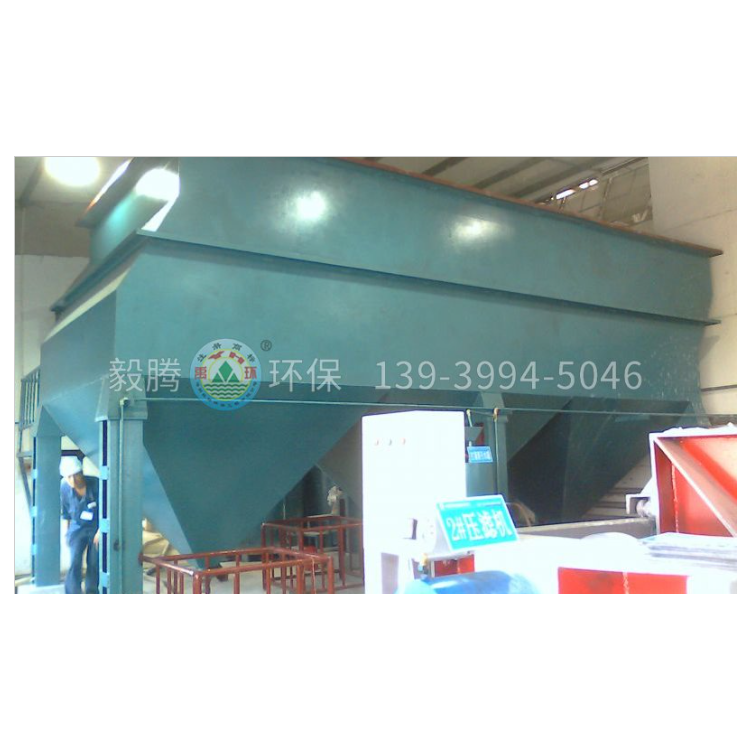
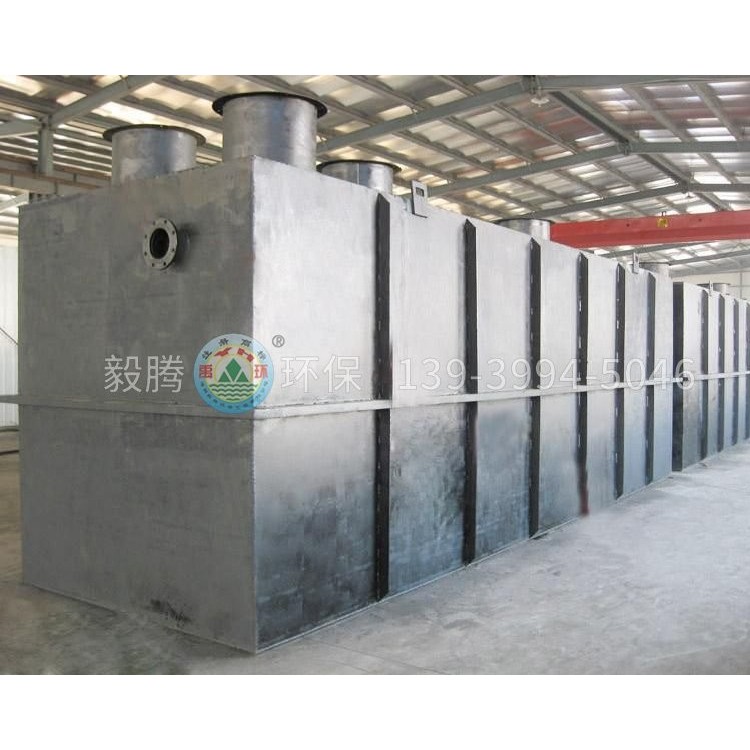
Low-pressure pulse bag dust collectors are mainly composed of parts such as the ash hopper, filter chamber, clean air chamber, support frame, lifting valve, and blowback cleaning device.
Section II: Applicability Scope
This dust collector is a large-scale equipment, suitable for the purification of dust-laden gases and recovery of materials in metallurgy, building materials, cement, machinery, chemical industry, power, and light industry.
Section 3: Product Features
This dust collector boasts high dust removal efficiency, low emission concentration, minimal air leakage, low energy and steel consumption, small footprint, stable and reliable operation, and good economic benefits.
The bag dust collector utilizes a divided-cabinet stopwind pulse-jet cleaning technology, overcoming the shortcomings of conventional pulse dust collectors and divided-cabinet reverse-jet dust collectors. It boasts strong cleaning power and high dust removal efficiency.
Due to the use of segmented room wind stop pulse jet cleaning, a single blowing can achieve thorough cleaning, thus extending the cleaning cycle and reducing the energy consumption of cleaning, with the air consumption significantly decreased.
At the same time, the fatigue degree of the filter bag and the pulse valve is correspondingly reduced, thereby multiplying the lifespan of the filter bag and valve blade.
The filter bag replacement and maintenance can be conducted in individual compartments under normal system operation without interrupting the fan operation. The filter bag mouth is equipped with an elastic expanding ring, ensuring excellent sealing performance and reliability. The dust removal frame features a circular structure, reducing friction between the bag and the frame, extending the bag's lifespan, and facilitating bag removal.
The upper-pull bagging method is adopted, where after removing the frame for bag replacement, the soiled bag is dropped into the lower ash bin of the box. It is then retrieved through the manhole, improving the conditions for bag change operations.
The container is designed with excellent airtightness, featuring good sealing properties. The inspection door is constructed using superior sealing materials, resulting in a very low wind leakage rate.
The air duct layout for import and export is compact with minimal air resistance.
Baghouse dust collectors are equipped with insulation to prevent condensation of flue gas due to low temperatures.
Section 4: Working Principle
²Operating Conditions:
During operation, dusty gases enter the filter chamber containing filter bags through a duct from the ash hopper. Large particles of dust fall directly to the bottom of the ash hopper, while smaller particles follow the gas flow and curve upwards into the filter chamber, where they are trapped on the outer surface of the filter bags. The purified clean gas passes through the filter bags and is discharged into the atmosphere through the clean gas chamber, exhaust duct, fan, and chimney.
Dust-laden gas particles are trapped outside the filter bag.
Ash cleaning operation:
As the filtration process continues, dust accumulates on the outer surface of the filter bags, causing the equipment resistance to increase; once the set pressure value and dust cleaning time are reached, the pulse-jet cleaning is performed row by row.
At the start of dust removal, the electromagnetic control valve opens the pulse valve, connecting the jet pipe to the gas bag. Compressed air (p=0.2~0.3Mpa, with the maximum working pressure not exceeding 0.4Mpa) is then jetted towards the filter bag through the jet nozzle. In the instant of jetting (0.065~0.085s), the high-speed air flow of the compressed air creates a vacuum around it, generating an aspirating effect. It can then draw in approximately 5~7 times the volume of compressed air from the surroundings. The compressed air and the aspirating air flow together into the interior of the filter bag. Due to the complete vibration of the filter bag and the reverse blowing air flow from inside to outside during the jetting, dust that is adhered to the exterior of the filter bag can be effectively removed and fall into the ash bin. This completes the dust removal process for all filter bags.
After dusting is completed, return to normal filtration status, and then enter the weekly interval, repeating this cycle. The dust that falls into the ash bin is discharged by the air conveyance and other transportation devices from the ash storage.
Section 5: Equipment Operation and Performance
The dust collector should be operated by a designated person familiar with the equipment's performance, working principle, and the basic principles of differential pressure control systems, in accordance with the procedures.
When the pressure in the gas bag reaches 0.2~0.3 Mpa, start the main fan. After operating for a period, when the dust collector differential pressure reaches the set value, an information feedback is sent to the control system. Immediately start the cleaning system. When the ash in the ash bin reaches the feeding level (or the set time), start the ash conveying system. In reverse order, start the ash discharge valve, discharge the ash to the discharge level (or the set time), then close the ash discharge valve, and sequentially close the ash conveying mechanism.
At shutdown, after the main fan has stopped, the dust collector should operate for a period before the power to the control system is disconnected to ensure that the attached ash on the filter bags of the dust collector can be removed, reducing condensation and糊袋现象 after shutdown cooling, thereby protecting the filter bags and extending their lifespan.
Boilers must not operate the bag dust collector during ignition; instead, bypass should be used to ensure stable boiler operation and that the flue gas inlet temperature remains below the set operating temperature before switching to dust removal mode. The industrial control panel is set with a temperature control protection threshold; once this temperature is reached, it will automatically switch to bypass exhaust.
Section 6: Maintenance and Care
The metal structures such as the dust collector body, frame, maintenance platform, and ladders should undergo anti-corrosion treatment every 1 to 3 years, depending on the specific conditions.
The u-filter bag room must be thoroughly cleaned each time the filter bag is replaced.
Regularly inspect the intake and exhaust ducts for dust accumulation, and clean them promptly if any is found.
Valves, ash conveying systems, and other bearing areas should be regularly oiled and lubricated.
All valve seals must be inspected, and the packing on the door should be regularly adjusted and replaced.
When the dust collector chimney emits dust, it indicates that the filter bags have fallen off or are damaged. It is necessary to inspect and handle each room promptly, and the removed filter bags should be cleaned, repaired, and stored for future use.
u should regularly inspect the filter bag and its accessories, and make timely adjustments if the bag sags significantly.
Regularly inspect the main components of the compressed air pipeline for leaks, rust, and blockages inside the pipeline, and address them promptly.
Regularly inspect for any gas leaks at the solenoid valve.
The core and spring of the solenoid valve should be regularly cleaned of dust. Use alcohol to wipe off oil stains to prevent the core and spring from becoming stiff due to sedimented oil and dirt, and to ensure smooth operation. Replace the spring promptly if rust forms.
Ensure spare parts are available for fragile items.
Electrical control cabinets and instrument panels are managed and maintained by designated personnel.
Section 7: Cautionary Notes
The dust collector should operate within the design parameters, and it is not permitted to exceed the specified temperature or operate under overload conditions.
Dust collectors are prohibited from smoking and fire, and lightning protection measures should be considered based on the specific circumstances of the surrounding buildings.
The dust collector allows for maintenance without shutting down. If maintenance is required, the top cover should be opened, wait for the harmful gases to dissipate, and only start the maintenance once it meets the requirements to ensure safety.


















