














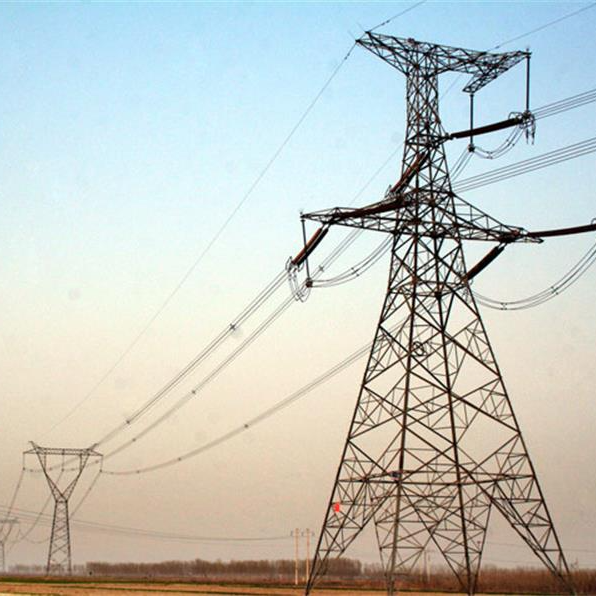
Observation towers are structures withElevated Observation FeatureTowering structural buildings, widely used in forestry fire prevention, border defense, environmental monitoring, and scenic area observation, are essential facilities for long-distance observation, early warning, and information transmission.
I. Core Features
- Monitoring and Early WarningIn forest fire prevention, observation towers enable observers to detect potential forest fires and smoke movements from a distance, issuing early warnings; in the border defense sector, they are used to monitor border dynamics and prevent illegal crossings and other situations.
- Environmental ObservationIn meteorological and ecological monitoring, the instruments can measure wind speed, wind direction, and vegetation changes. The observation towers within scenic areas also offer panoramic viewing experiences for tourists, combining tourism service functions.
- Communication RelaySome observation towers will be integrated with communication equipment, serving as signal relay stations to expand the communication coverage in remote areas.
Section II: Main Types
According to the application scenarios and structural forms, observation towers can be divided into the following categories:
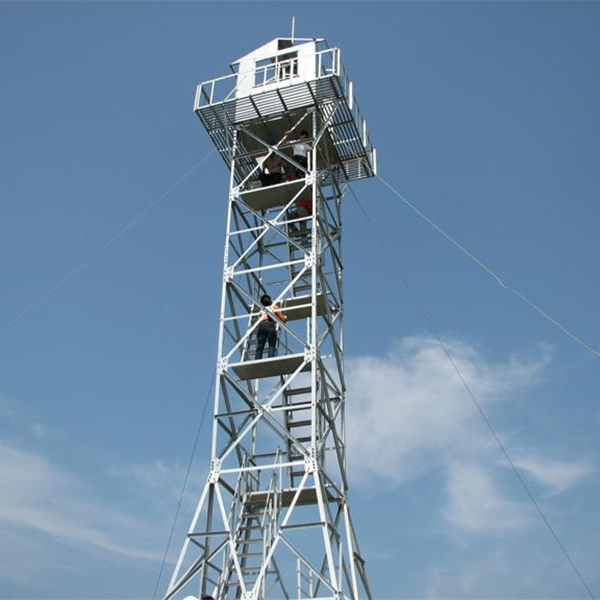
- Forest fire observation towerPrimarily constructed with steel or reinforced concrete, these structures typically range in height from 20 to 40 meters, positioned on high points within forested areas. They are equipped with telescopes and fire alarm systems, among other equipment.
- Border watch towerEmphasizing stealth and defense, the structure is robust, with some featuring observation windows and shooting ports. It is highly integrated with the border terrain, ensuring comprehensive surveillance of the border line.
- Scenic Observation TowerThe design emphasizes aesthetics and visitor experience, often using steel truss structures or glass viewing platforms. Heights vary from tens to hundreds of meters (such as iconic city landmarks with viewing towers).
- Surveillance Observation TowerPrimarily focusing on functional practicality, the design is minimalist, with key features including a range of monitoring instruments, such as anemometers and rain gauges, which are installed in weather stations and observation towers.
Section 3: Structural Features
- MaterialPrimarily steel (angle steel, steel pipe), with some small observation towers using aluminum alloy or wooden structures; large viewing towers will also incorporate reinforced concrete to enhance stability.
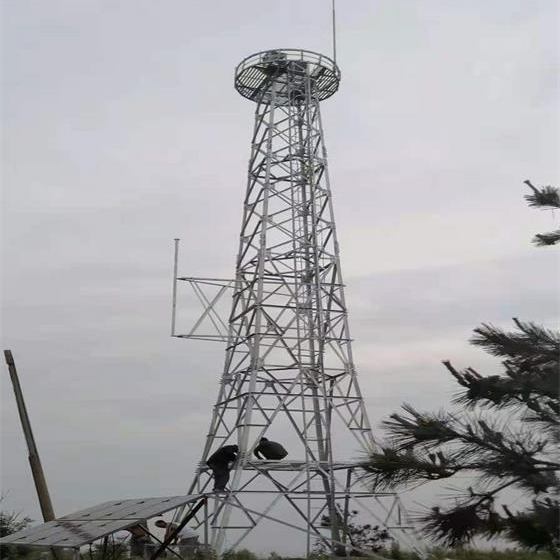
- Structural formCommon types include four-column truss, single-pipe tower, pavilion style (architectural style similar to ancient buildings), etc. The truss structure is lightweight and has reasonable load-bearing, making it the mainstream form for forest fire observation towers; landscape towers will incorporate artistic design to enhance the visual effect.
- Fundamentals and ProtectionThe base is made of concrete pour, ensuring structural stability; outdoor observation towers require anti-corrosion treatment (such as hot-dipped galvanizing, anti-corrosion paint), and some areas are also designed with frost and sandstorm protection.
Section 4: Design and Construction Considerations
- Location RequirementsSelect a high vantage point with an unobstructed view, such as a mountain peak or elevated ground, to ensure a wide observation range. At the same time, consider the ease of accessibility for transportation of equipment and maintenance personnel.
- Highly designedObservation towers in forestry require an observation range of 5-10 kilometers based on monitoring needs, while scenic towers should be planned in conjunction with urban or tourist area development, balancing the viewing experience with construction costs.
- Safety StandardsSlip-resistant staircases, guardrails, and lightning protection devices (especially for tall steel structures) must be installed to ensure safety for personnel climbing heights. Additionally, the structure must comply with seismic and wind resistance standards to withstand extreme weather conditions.
- The observation tower leverages its core advantage of "reaching great heights to see far," achieving in multiple fields.Expansion of spatial viewA practical monitoring and early warning tool, it also serves as a landmark building in certain scenarios, combining dual attributes of functionality and value.