
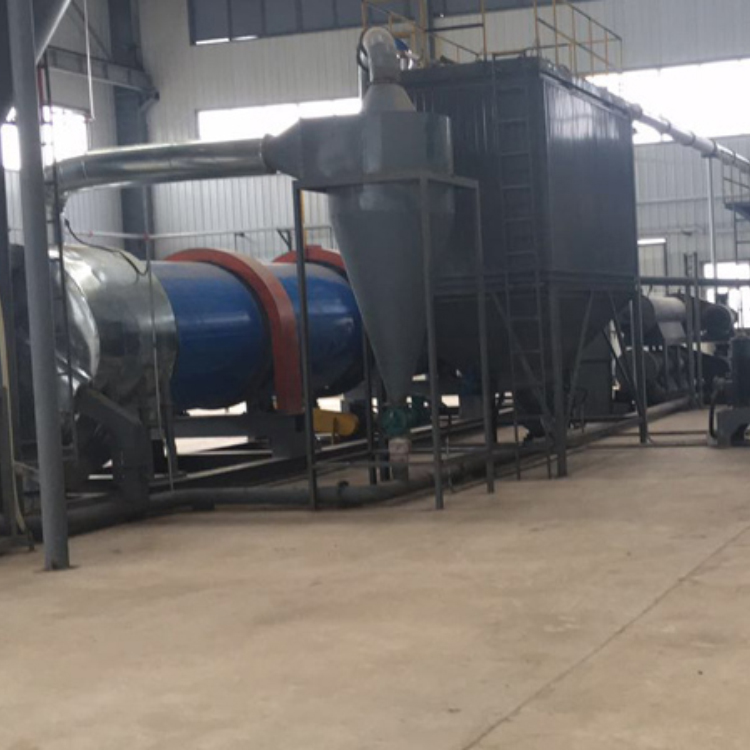
 Carbon Black Granulating Equipment, Carbon Black Refining Equipment
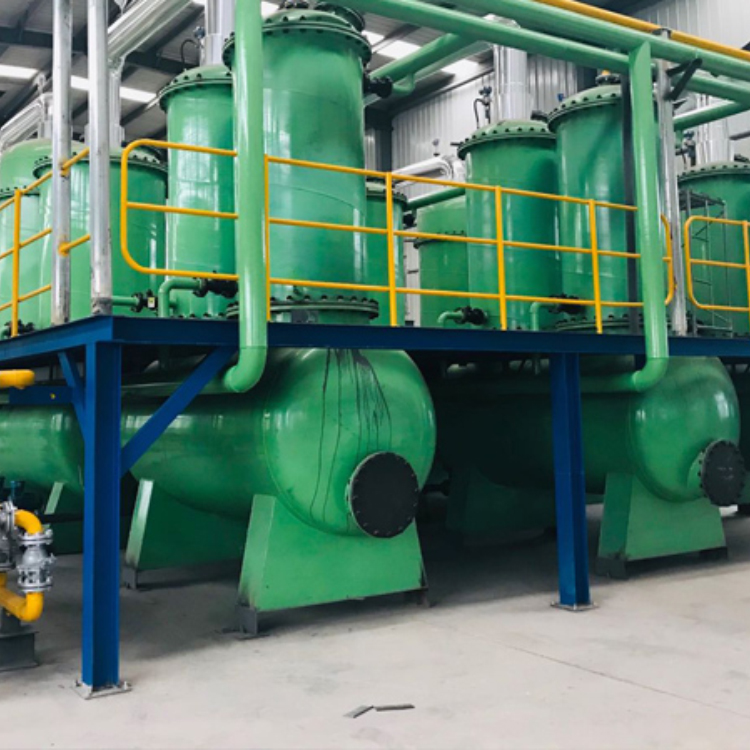 Used Tire Pyrolysis Equipment Manufacturer, Tire Pyrolysis
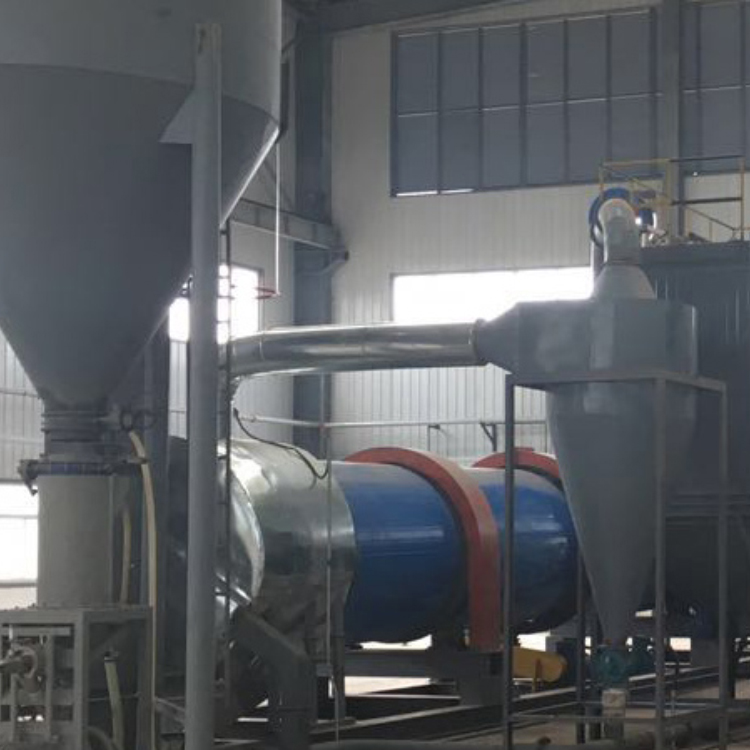 Carbon Black Granulating Equipment, Carbon Black Refining Equipment, Carbon Black Processing Equipment
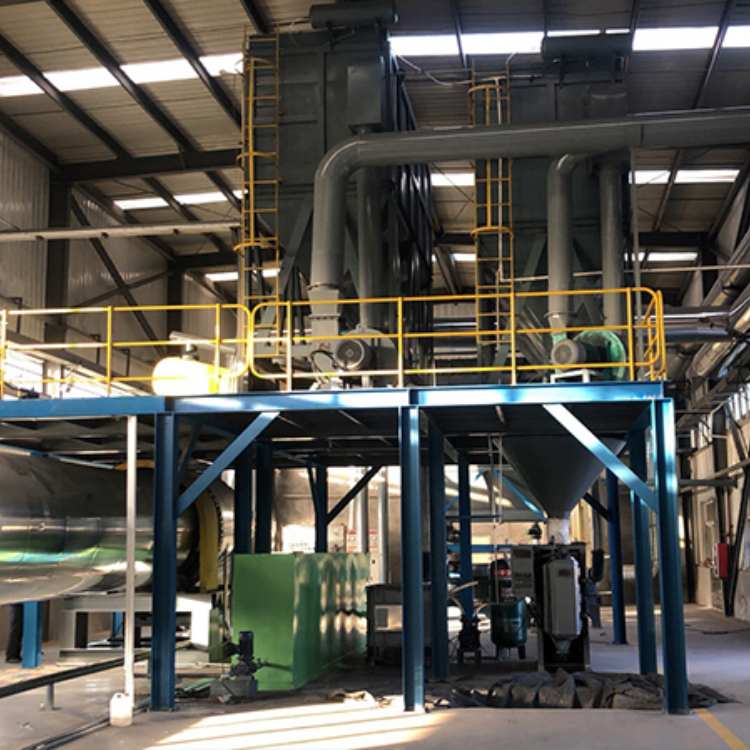 Carbon Black Granulating Equipment
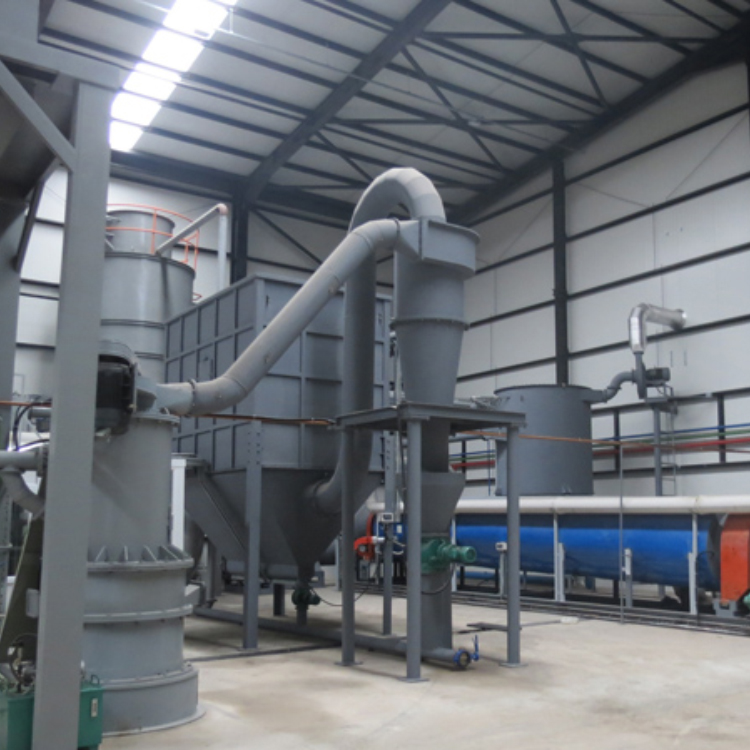 Carbon Black Granulating Equipment
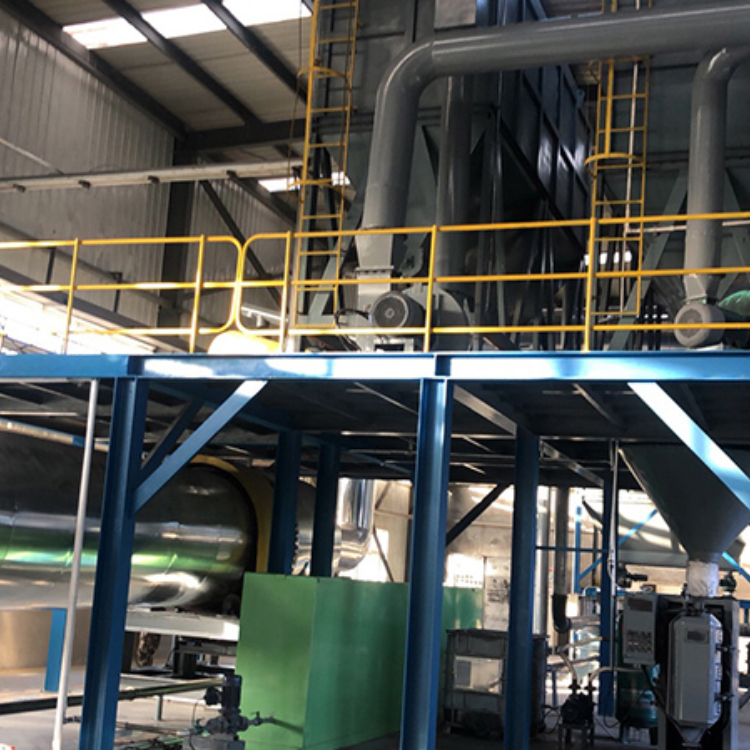 Carbon Black Granulating Equipment
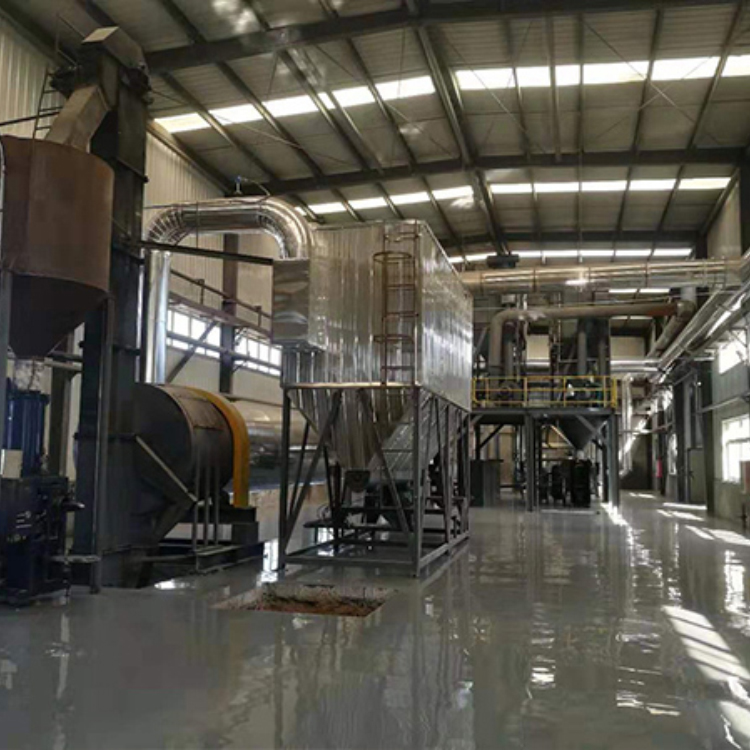 Carbon Black Granulating Equipment
Product Details



产品Price Negotiable
最小起订Quantity: 供货总Quantity:


Do you offer customization? |
|
Specs |
Comprehensive |
Available for immediate shipment? |
Is |
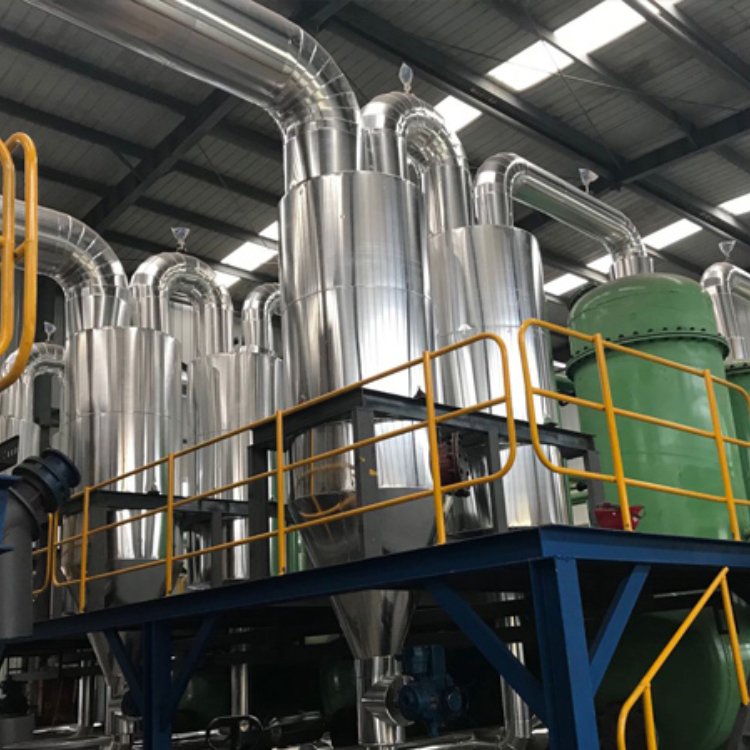
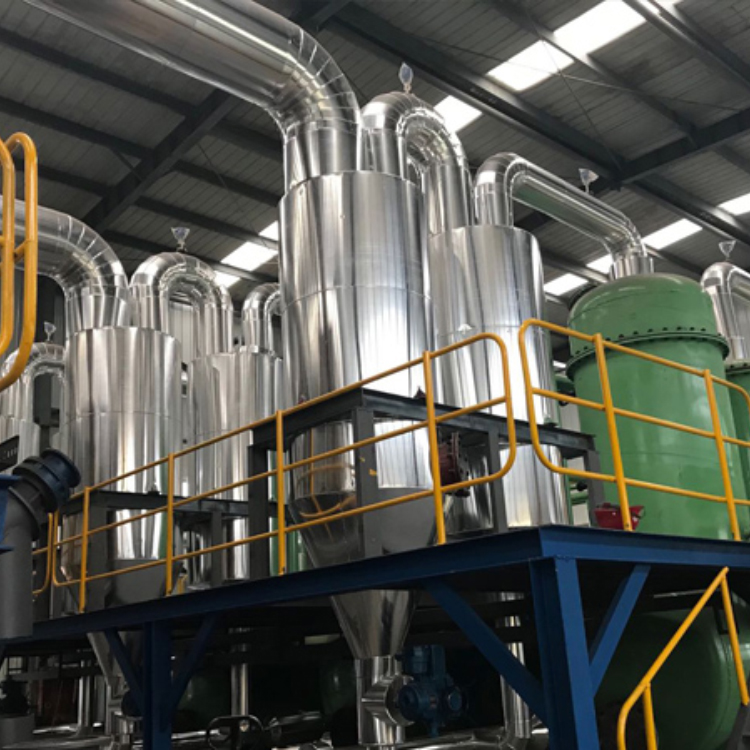
The Qingdao Dehui Xin waste tire pyrolysis equipment features advanced process technology and equipment, breaking through the bottleneck of continuous production in waste tire pyrolysis. It innovatively employs intelligent control technology, high-temperature hot air temperature control technology, rubber particle feeding sealing technology, and carbon black discharge sealing technology, solving the global challenge of anaerobic pyrolysis of furnace rubber powder and oil-gas cooling congestion. This technology boasts independent intellectual property rights, with its process flow and complete technical equipment featuring intelligent operation ease and strong production and processing capabilities (approximately 100 kg of rubber powder processed per line daily).50 tons), low operation costs, outstanding comprehensive economic benefits, and superior cost-performance ratio of complete sets of equipment. Achieved the comprehensive utilization of waste tires with "zero pollution" and full industrial chain utilization, and achieved the purpose of "utilizing to the fullest" in a recycling manner. Part One: Process Flow Diagram of Pyrolysis Equipment Section Two: Process Description for Pyrolysis Equipment Granule cracking process includes cracking furnace inlet operation, cracking furnace system, cracking furnace outlet operation, heating system, and oil-gas condensation system.5 processes. 1. Cracking furnace inlet process The pellets are conveyed to the hoist position by a belt conveyor, where the hoist feeds them into the receiving bin. The receiving bin is equipped with a level control transmitter for upper and lower limits, stopping the belt conveyor from supplying pellets when the level exceeds the set upper limit. When the level falls below the set lower limit, the belt conveyor is activated to supply pellets, ensuring the level remains ideal. Subsequently, a vacuum feeding unit supplies airless pellets to the cracking furnace. 2. Cracker System The cracking furnace system consists of three levels: upper, middle, and lower cracking sections. The granules are evenly fed into the cracking furnace through the inlet process, where they are heated and cracked. A burner supplies hot air to the cracking furnace, and the temperature inside is precisely controlled by adjusting the burner's flame size and on/off cycles. Inside the reactor, the granules start to soften upon heating, then crack until they carbonize. The cracking furnace system operates using a vacuum system, with the internal pressure controlled by adjusting the fan speed. The complete sealed system provides an anaerobic cracking environment for the granules, ensuring both safety and energy efficiency while increasing oil yield. The entire system is leak-free, ensuring no odors on-site and no environmental pollution. 3. Cracker outlet process The coarse carbon black produced by pyrolysis, with a temperature exceeding 400°C, is transported to the carbon black packaging workshop via a screw conveyor. The conveyor is equipped with a water-cooling system to cool the coarse carbon black to below 50°C. The cooled solid coarse carbon black is then conveyed by a screw lifter to a magnetic separator for iron removal. The iron content in the pyrolytic carbon black is approximately 2%, and it must be completely purified before entering the carbon black powdering and packaging process to ensure the purity and quality of the carbon black product. 4. Heating System The system is heated by a burner, and a thermocouple is installed on the furnace body to feed back temperature readings in real-time to the control console. The fuel for the burner is the gaseous fuel produced by pyrolysis, with natural gas being the energy source for the first use. The furnace returns heat-inductive feedback to the central control panel, allowing for real-time adjustment of the burner's high and low flame as well as start/stop, to accurately control the furnace temperature. Accurate temperature control in the cracking furnace can subsequently enhance oil yield and improve oil quality. Hot air from the heating or jacket is supplied to the drying system of the granulating equipment, and then vented after desulfurization and denitrification. 5. Oil and Gas Condensate System Crude oil and gas enter the condensation system from the cracking furnace, first passing through a collision oil and gas separator. Through the collision effect, heavy oil residues condense at the bottom of the tank, improving the quality of the finished product. The gas post-separator flows into a tubular shell condenser, which has a large contact area, excellent condensation performance, and is less prone to clogging, allowing for long-term operation. The condensed finished oil is then transferred to an interim storage tank. The combustible gas is extracted from the top of the interim storage tank and fed into a gas holder, from where it is supplied to the burner. The interim storage tank is equipped with an oil level sensor, which activates the oil pump to transfer oil to the storage tank upon reaching a set position. 

Phone Consultation