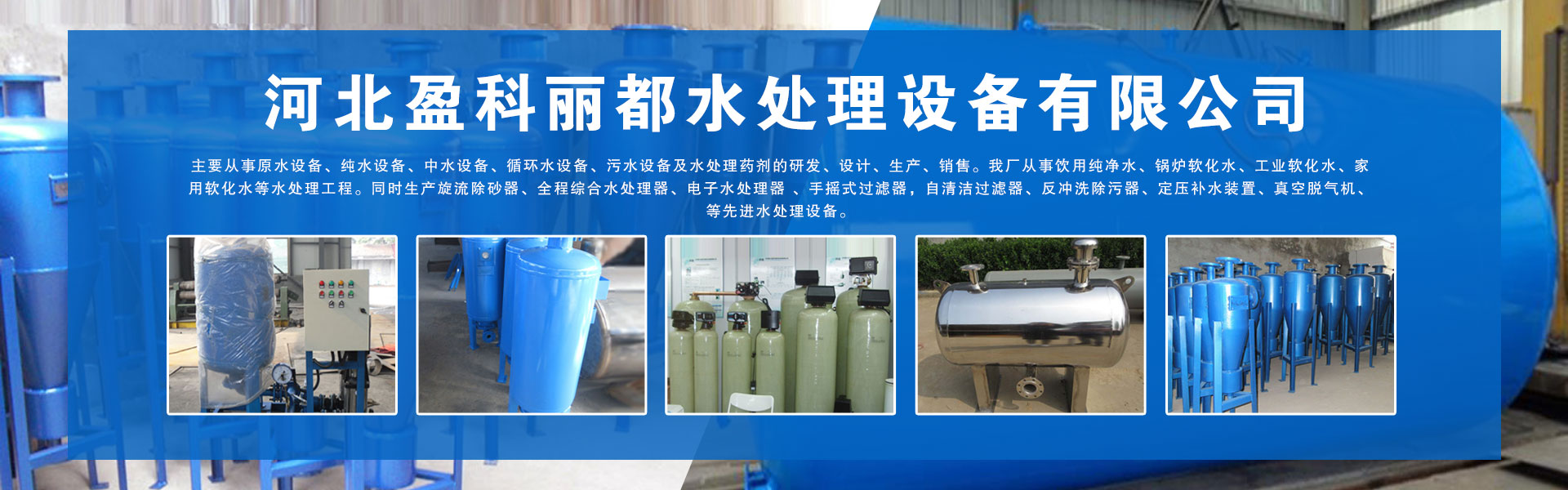
Sales of water treatment equipment, environmental protection equipment, thermal insulation materials, anti-corrosion materials, lighting equipment, electrical equipment, hardware products, stainless steel products, glass products, and plastic products; installation and sales of mechanical and electrical equipment; environmental protection engineering design and construction; self-operated or agency import and export business of various goods and technologies.


价 格Negotiable
最小起订0 Piece库存0 Piece
Automatic Pressure Water Supply S
Negotiable
Water Softener
Negotiable
Water Softener
Negotiable
Constant Pressure Water Supply Eq
Negotiable
Constant pressure water supply eq
Negotiable
Water Softener
Negotiable
Diaphragm Pressure Vessel
Negotiable
Hydrocyclone Sand Separator
Negotiable
Non-impulse Flow Tank
Negotiable
Automatic Pressure Water Supply E
Negotiable
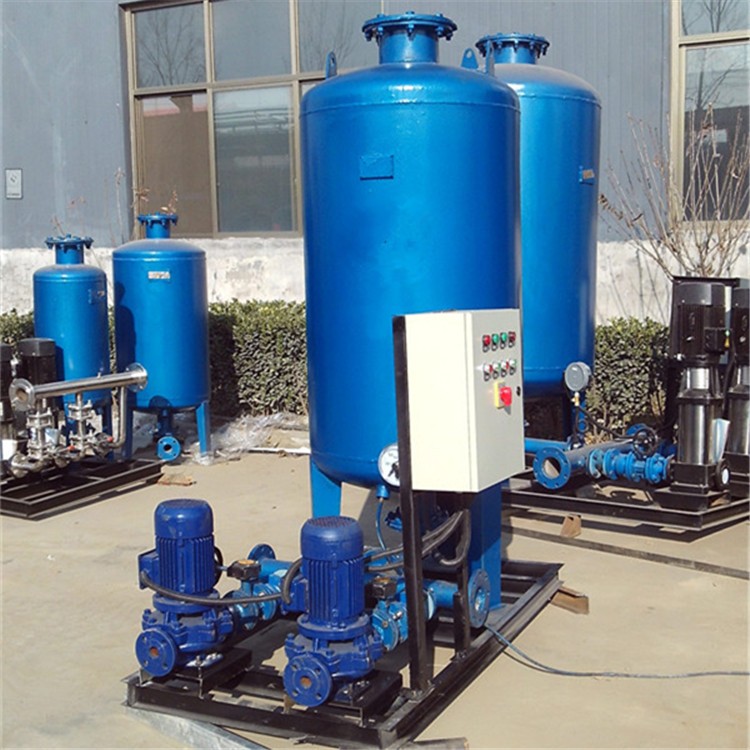
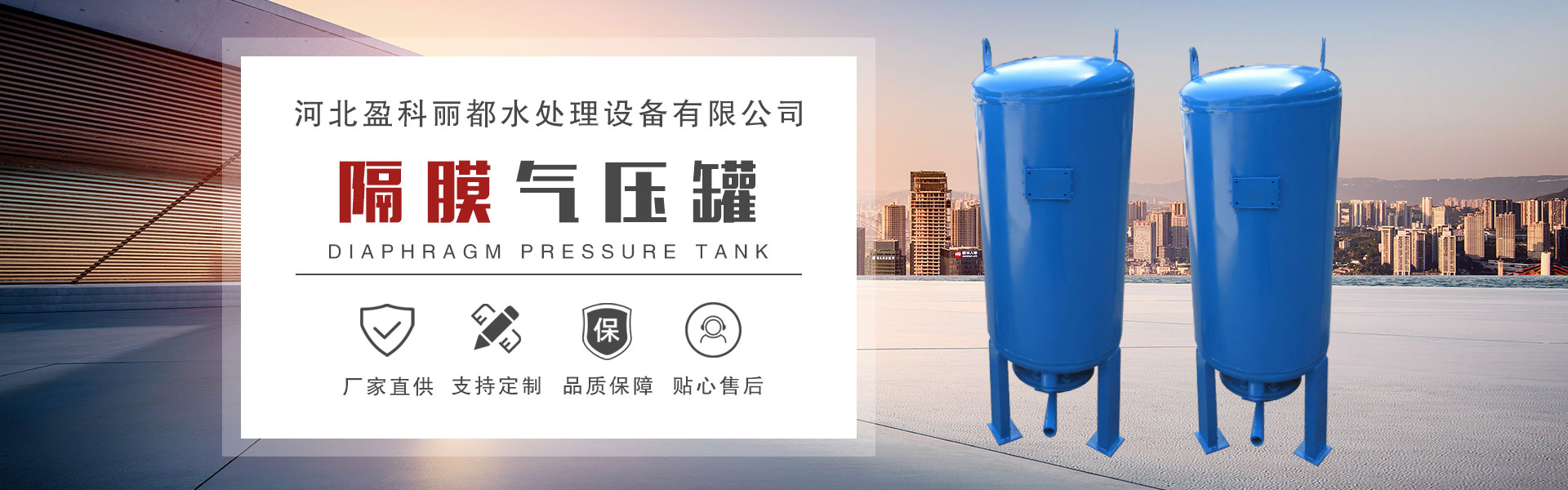
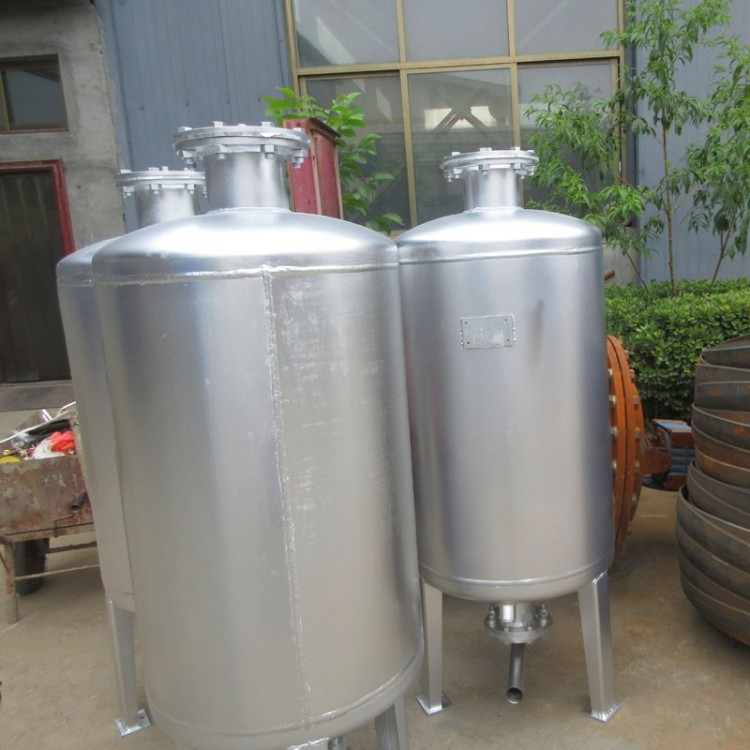
The bladder-type air pressure tank is mainly composed of a valve cover, an inflation port, a bladder, a carbon steel tank body, and a flange. When connected to the water system, it primarily functions as a storage tank. When the system water pressure exceeds the nitrogen pressure between the carbon steel tank body and the bladder, the system water is forced into the bladder of the expansion tank under the system pressure. This compresses the nitrogen between the tank body and the bladder, reducing its volume and pressure, and also increases the system's water capacity, reducing the system pressure until the water pressure and the nitrogen pressure between the tank body and the bladder reach a new equilibrium, at which point the water stops entering. When the system water pressure is less than the pressure inside the expansion tank, the water in the bladder is forced out under the pressure of the nitrogen between the tank body and the bladder, returning to the system. This reduces the system water volume and increases pressure, which slows down the decrease in nitrogen volume and pressure between the tank body and the bladder until a new equilibrium is reached, and the water stops being squeezed back into the system. The pressure tank thus regulates system pressure fluctuations. The structural diagram shows that the space between the tank body and the bladder is pre-filled with nitrogen at the factory. The exterior of the bladder-type air pressure tank is coated with baked paint. The inlets and outlets are directly connected to the system using tees or metal hoses. The exhaust valve connection can promptly release air from the overflow of water in the system and bladder, or it can be closed directly with a gate valve to prevent water from spilling out from the top. Below the dust cap is the inflation/deflation port, which can be used to add nitrogen or release some of the gas.
How to Choose an Air Tank
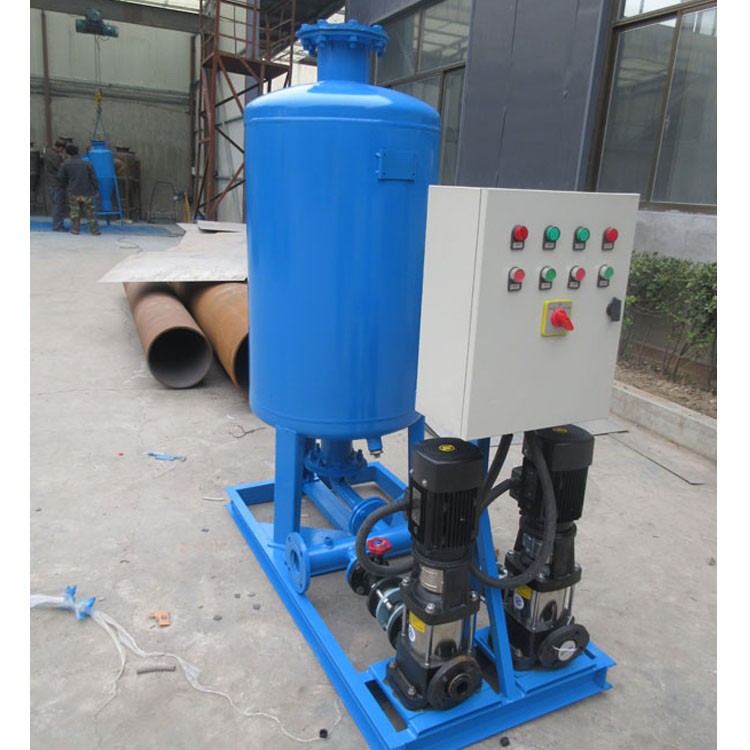
Currently, water supply equipment varies in structure and control methods, with the "pump set + variable frequency electric control cabinet" configuration being widely used in structure. Unlike the timed and quantified supply of production water, the amount of domestic water varies greatly with time characteristics. Therefore, domestic water supply equipment should have the energy-saving feature of "more water usage, more electricity consumption; less water usage, less electricity consumption."
How to choose the right pressure vessel?
The bag-type air pressure tank is a prerequisite for the pump to enter sleep mode. By utilizing the compressibility of water, water is stored in the tank by external force. As the gas is compressed, the pressure increases. When the external force is removed, the compressed gas expands, allowing water to be expelled. Since the compression ratio of water is much smaller than that of gas, even a small leakage in the pipeline can cause a significant drop in pressure, leading to frequent pump startups. If the power-frequency pump supplies water directly to the user, a pressure tank is provided to mitigate frequent pump operation.

Phone Consultation