

Product Details

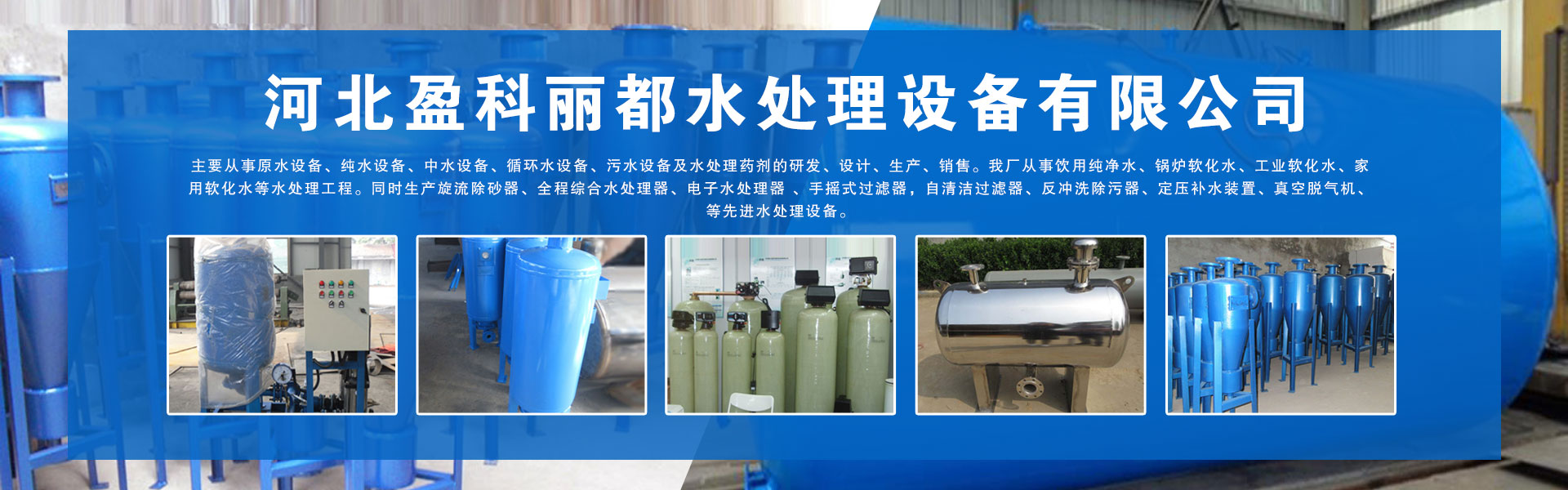
Sales of water treatment equipment, environmental protection equipment, thermal insulation materials, anti-corrosion materials, lighting equipment, electrical equipment, hardware products, stainless steel products, glass products, and plastic products; installation and sales of mechanical and electrical equipment; environmental protection engineering design and construction; self-operated or agency import and export business of various goods and technologies.


价 格Negotiable
最小起订0 piece库存0 piece
 Business Card
Negotiable

Negotiable
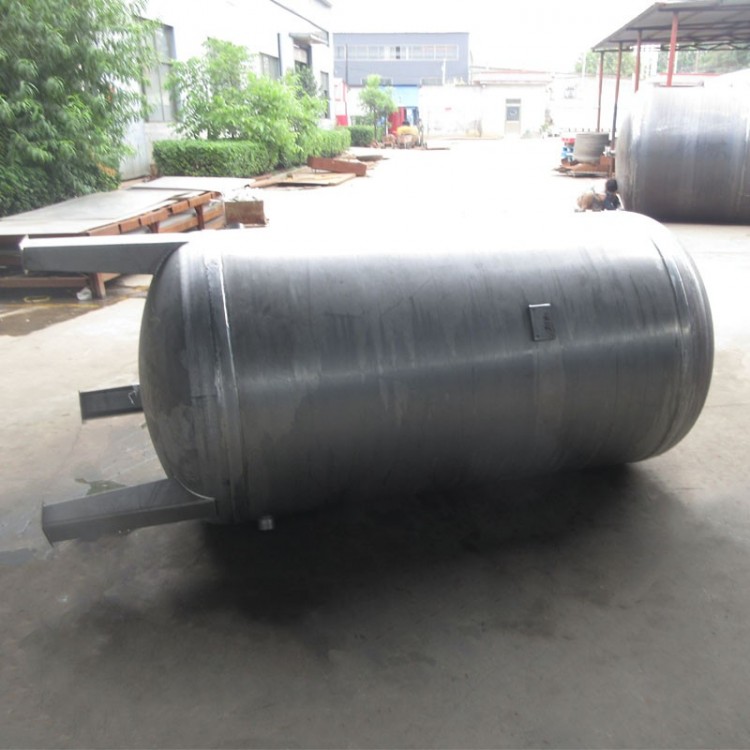
Negotiable
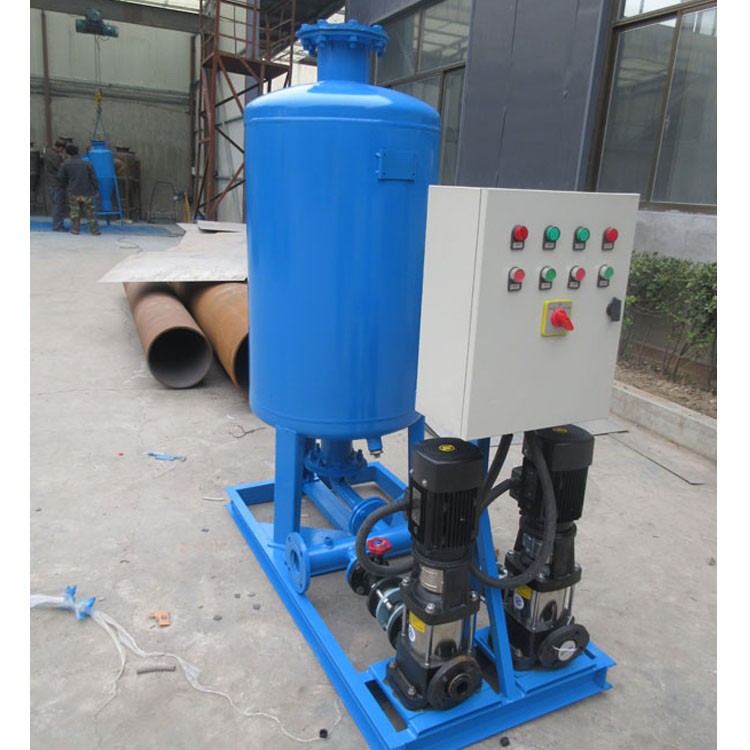
Negotiable
Non-Overpressure Flow Stabilizati
Negotiable
 Hydrocyclone Sand Separator
Negotiable
Hydrocyclone Sand Separator
Negotiable
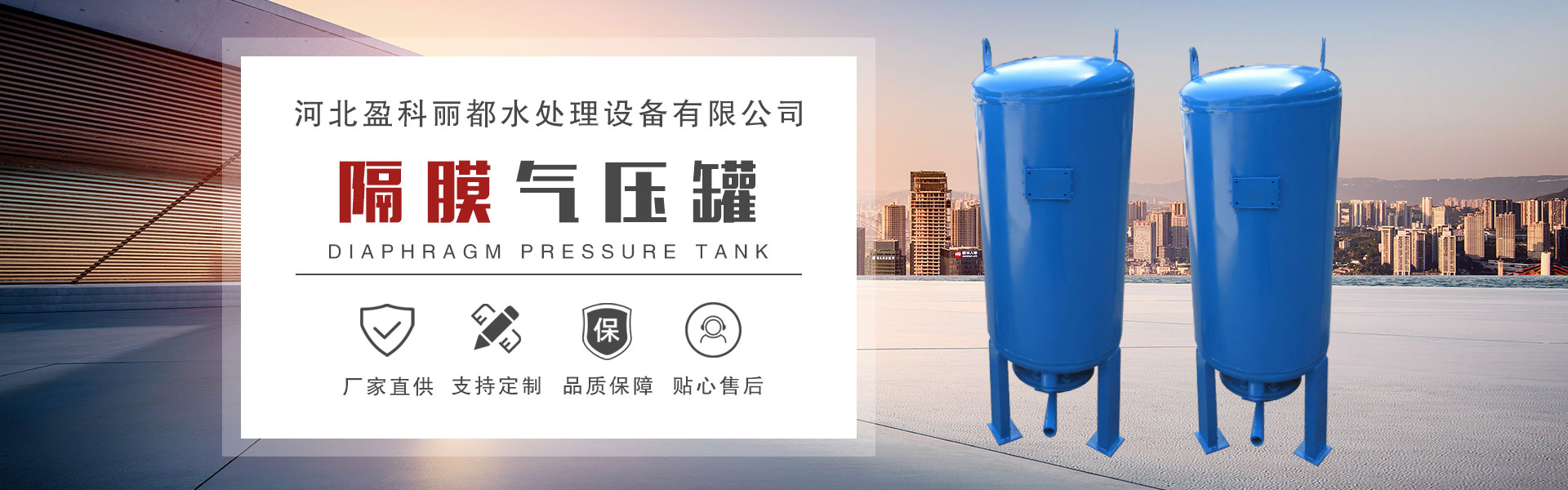
 Diaphragm Pressure Vessel
Negotiable
Diaphragm Pressure Vessel
Negotiable
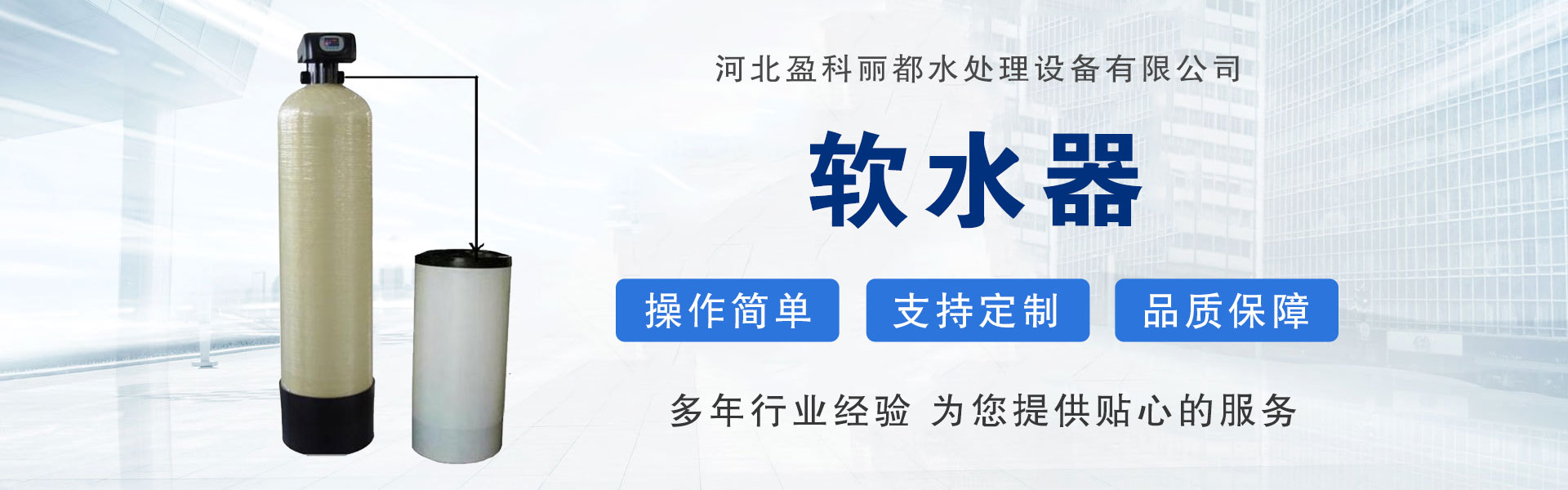
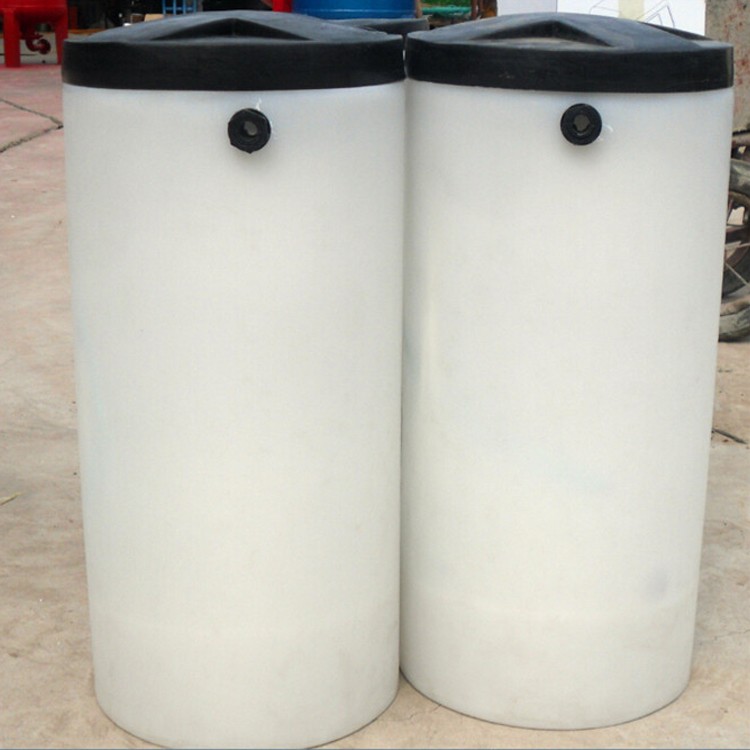 Water Softener
Negotiable
Water Softener
Negotiable
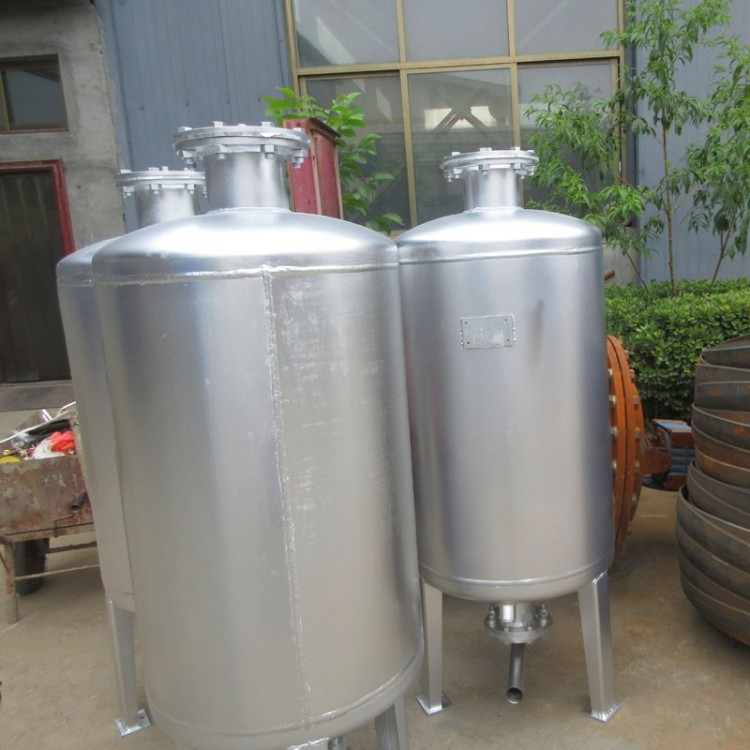 Diaphragm pressure tank
Negotiable
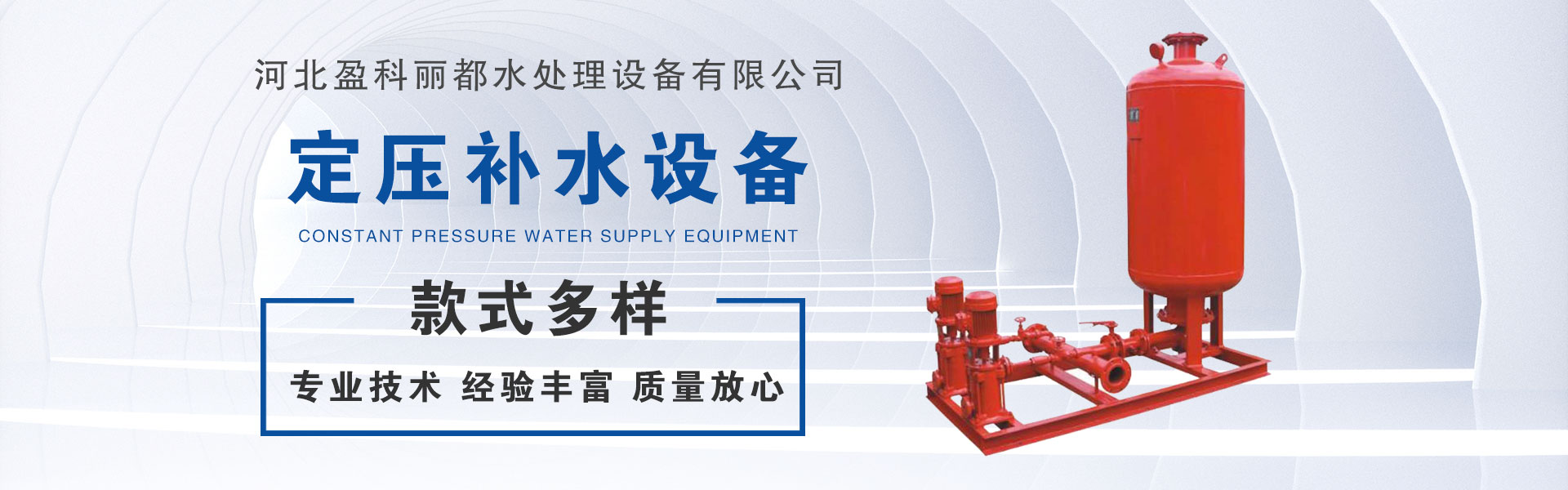
Automatic Pressure Water Supply E
Negotiable
Turbulent Sand Separator
Negotiable
Diaphragm pressure tank
Negotiable
Automatic Pressure Water Supply E
Negotiable
Turbulent Sand Separator
Negotiable
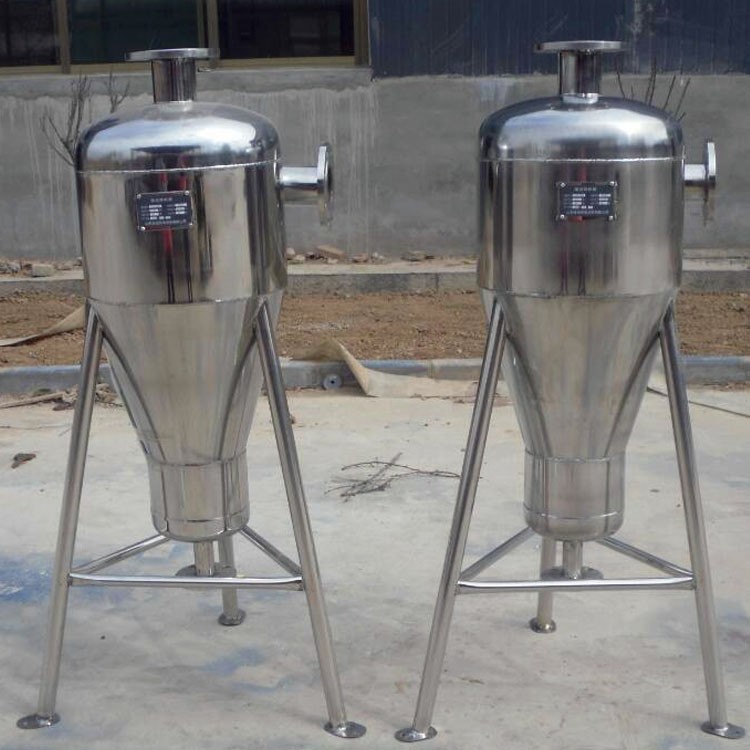 Turbulent Sand Separator
Negotiable
Turbulent Sand Separator
Negotiable
 Non-impulse Flow Tank
Negotiable
Non-impulse Flow Tank
Negotiable
 Diaphragm Pressure Vessel
Negotiable
Diaphragm Pressure Vessel
Negotiable
Product Introduction: Cyclone Sand Separator
The Cyclone Sand Separator is designed based on the screening principle of solid particles rotating within the separator, integrating cyclone and filtration into one. It significantly achieves sand removal, turbidity reduction, and solid-liquid separation in water treatment applications. Widely used in industrial sectors such as water source heat pumps, water treatment, and food industries. It is applicable for sand removal from river and well water, coal washing water, industrial mineral processing, solid-liquid separation, degassing of liquids, and separation of immiscible liquids.
Hydrocyclone Sand Separator Working Principle
The Cyclone Sand Separator operates based on the principles of centrifugal sedimentation and density difference. As water flows tangentially into the equipment through the sand removal inlet under a certain pressure, it generates a strong rotational motion. Due to the different densities of sand and water, under the combined action of centrifugal force, centripetal force, buoyancy, and fluid drag, the lower-density water rises and is discharged through the outlet, while the higher-density sand particles are discharged through the drain outlet at the bottom of the equipment, achieving the purpose of sand removal.
Within a certain range and under specific conditions, the higher the inflow pressure of the desander, the higher the desanding rate, and it can be used in parallel with multiple units.
Product Features of Cyclone Sand Separator
1Simple structure, easy operation, reliable use, almost no maintenance required.
2Compared to sand removal equipment such as expanded pipes and buffer boxes, it boasts advantages like a smaller size, higher processing capacity, and space-saving on-site.
3Sand particles in the water during the uninterrupted water supply process.
4It eliminates the secondary water pollution issue associated with other sand removal methods, offering high sand removal efficiency.
注意事项 for selecting a vortex sand separator
The selection of a vortex sand separator must consider factors such as the water volume to be treated, external pipe diameter, pipeline working pressure, raw water quality, and the required water quality after treatment. Generally, when choosing a vortex sand separator, prioritize larger model equipment under the premise of meeting the flow rate, and use several units in parallel to replace the large equipment within the system to achieve better solid-liquid separation.
Cautionary Notes for Installation and Use of Spiral Sand Separator
1The swirl sand separator should be installed on the main pipeline of the water supply network and securely mounted on a base, with a bypass installed between the inlet and outlet pipes.
2To ensure a smooth water flow into the equipment, a straight-through pipe of the same diameter as the inlet should be installed in front of the water inlet, with a length equivalent to the diameter of the water inlet.10-15Multiple.
3Ensure sufficient maintenance space around the equipment during installation.
4During normal operation, the inlet and outlet valves should be open, while the drain valve and bypass valve should be closed.
5Regularly drain and filter out sand and impurities based on the sand content of the source water. When discharging, open the discharge valve until clean water flows out; the discharge process will not affect the normal water supply of the system.
6After waste discharge is completed, close the discharge valve.
7If the sand pressure is insufficient, close the valve at the outlet.
Turbulent Sand Separator Technical Specifications
1Inflow Turbidity: ≤320Degree
2Turbidity of effluent: ≤10Degrees
3Inlet Water Pressure:0.2-1.2MPa
4Pressure Loss:0.028 MPa
5Diameter Excluding Sand: >0.1mm
6Operating Temperature: Room Temperature

Phone Consultation