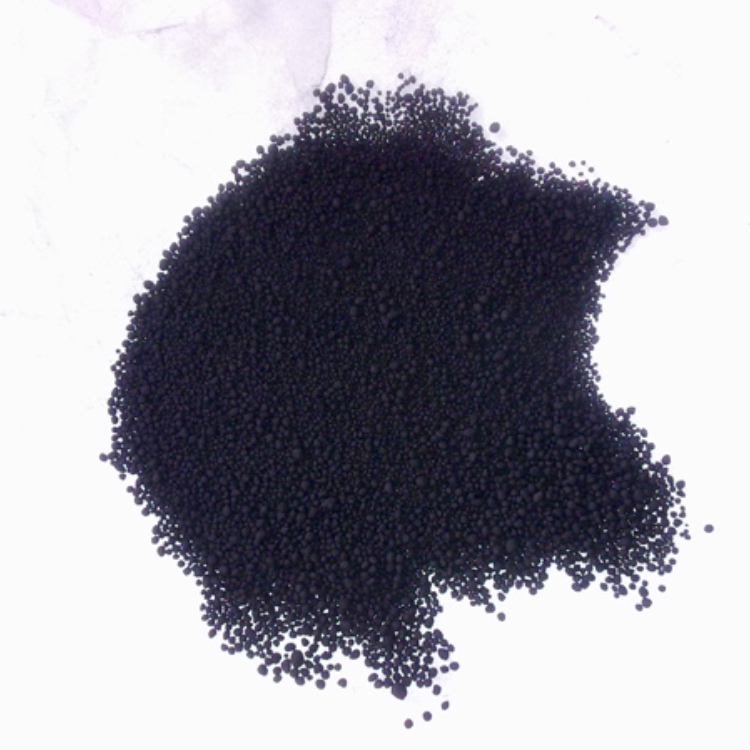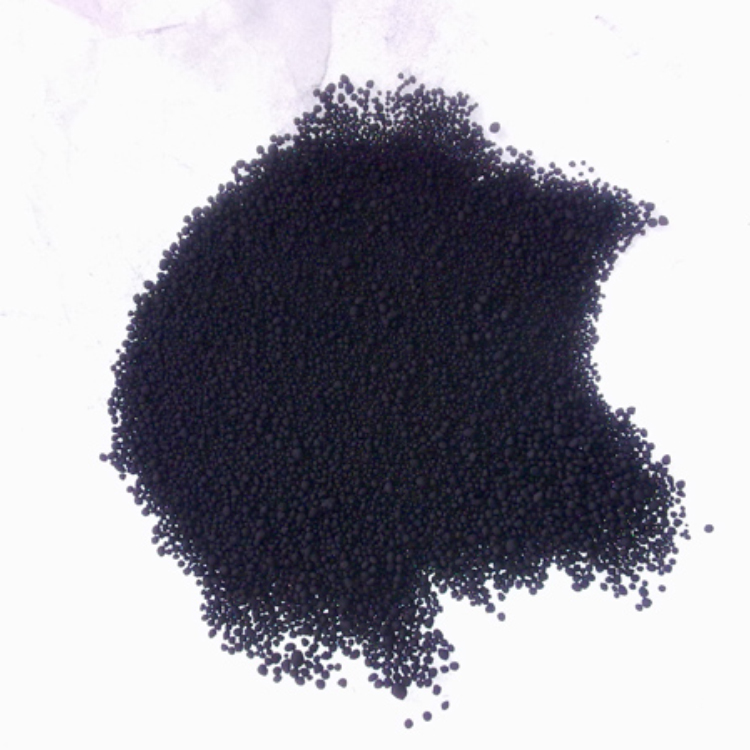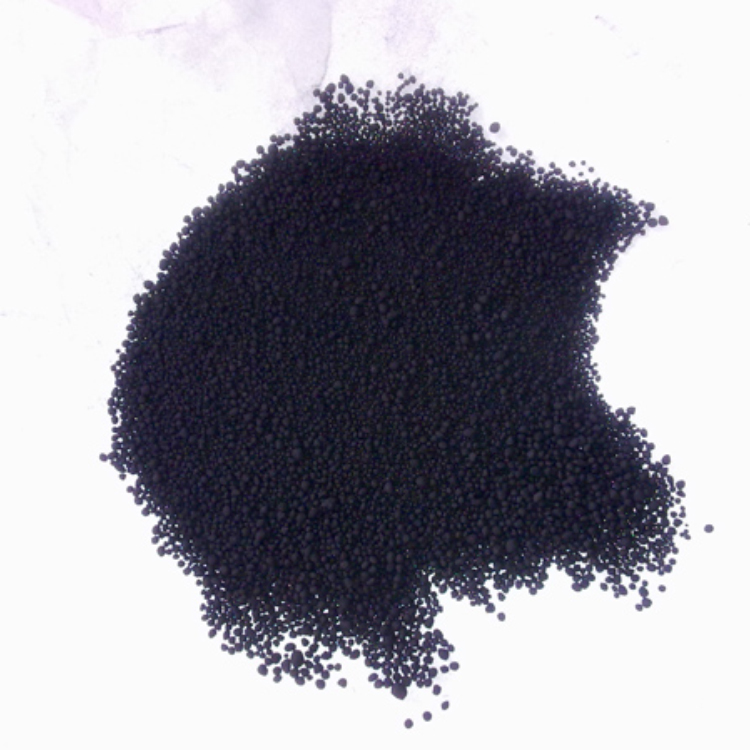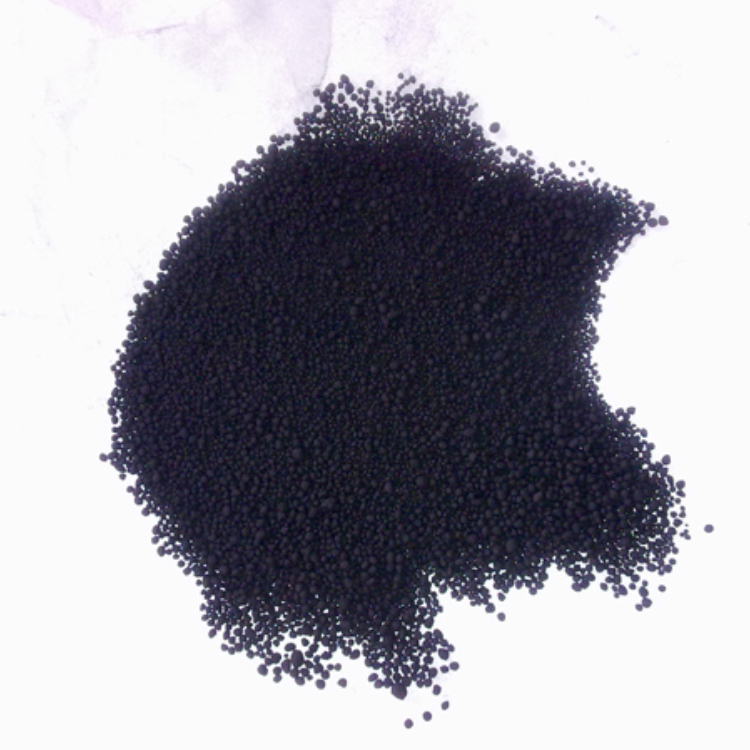











Pyrolytic carbon black is a product generated through pyrolysis technology, and it is referred to as pyrolytic carbon black due to its distinct method of production from the traditional carbon black. The average particle size of pyrolytic carbon black is40-50 nm, aggregates similar to GPF carbon black, with ash content of 14±2% primarily composed of silicon dioxide, cobalt salts, and zinc, exhibit unique chemical and physical properties with high cross-linking and diffusion capabilities. They offer similar reinforcing effects (tensile strength) to N550, similar modulus values (tensile modulus) to N772, similar tear strength to N330, and similar reinforcing effects to N660. Therefore, pyrolytic carbon black not only provides good filling and reinforcing in rubber formulations but also improves the uniform dispersion of carbon black in compounded rubber, enhancing the processing properties of rubber semi-finished products. As a result, pyrolytic carbon black is used in formulations for inner and outer cord adhesives, bead adhesives, innerliner adhesives, and inner tube adhesives in nylon bias-ply tires, replacing N550/772 conventional carbon black by 20-30 parts by mass without affecting the quality of the finished tire. Additionally, pyrolytic carbon black is widely used in rubber products such as cables, belts, seals, and roller cores.
Technical Specifications
Test Items Indicator
Iodine Absorption Valueg/kg 42 ±8
DBP Absorption Value: 10-5 m³/kg 64 ±8
Heating Reduction %≤ 1.5
Colored% -
45 μm sieve residue % ≤ 0.10
150um sieve residue % ≤ 0.02
Residue on 500 um sieve % ≤ -
pH 6-9
Tensile StrengthMpa ≥ 18
Break elongation% ≥ 400
Tensile stress at 300% elongation Mpa ≥ 3