











Equipment Introduction
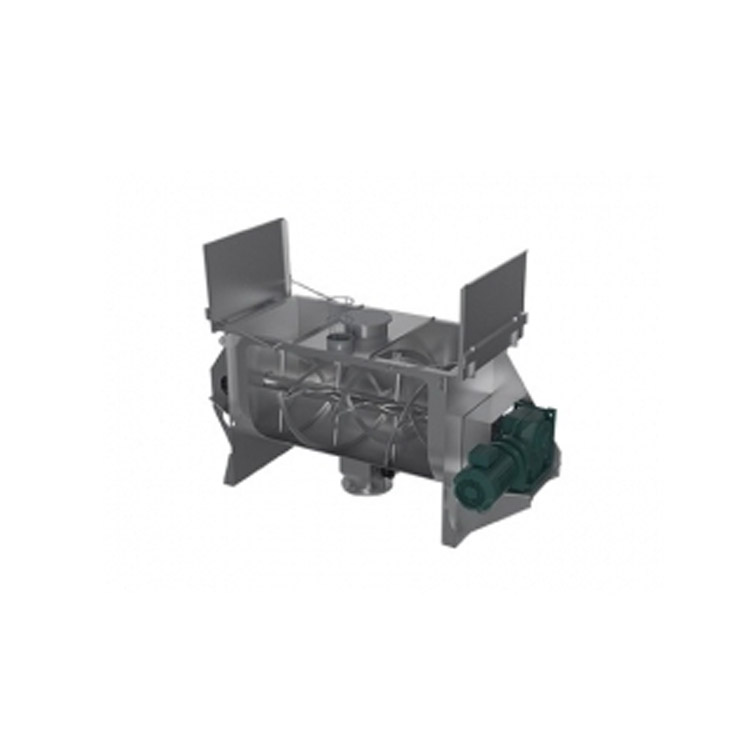
The Horizontal Dry Mixing Machine is a functional mixer that completes mixing, reaction, and drying in one step. Based on the horizontal mixer, it is supplemented with functional systems such as heating and temperature control, sealed vacuum, dust removal and filtration, and condensation and liquid collection. It is widely used in industries such as food, chemicals, building materials, and lithium batteries, where certain processes require the addition of some liquids during mixing, the exclusion of liquids at the end, or a high liquid content in the raw materials that needs to be partially removed during mixing.

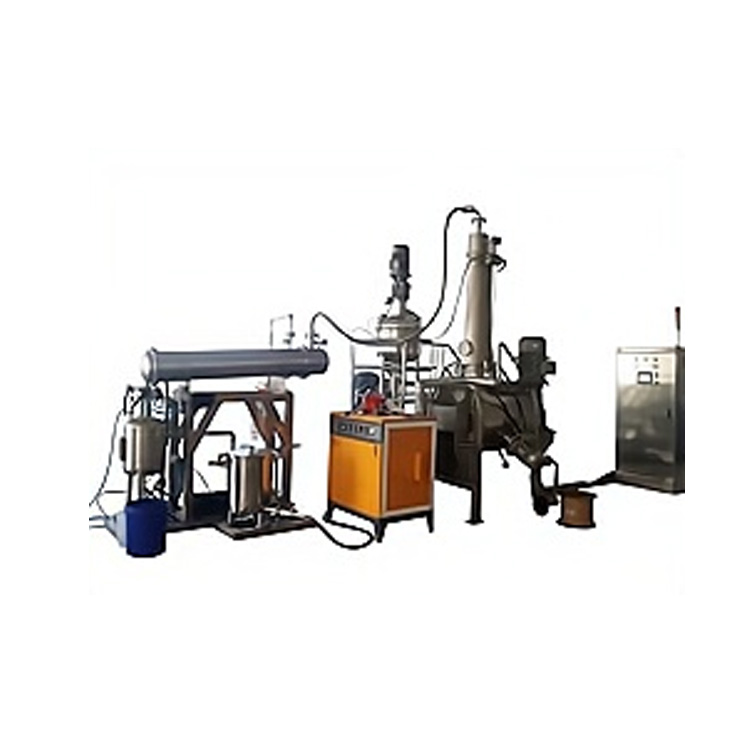
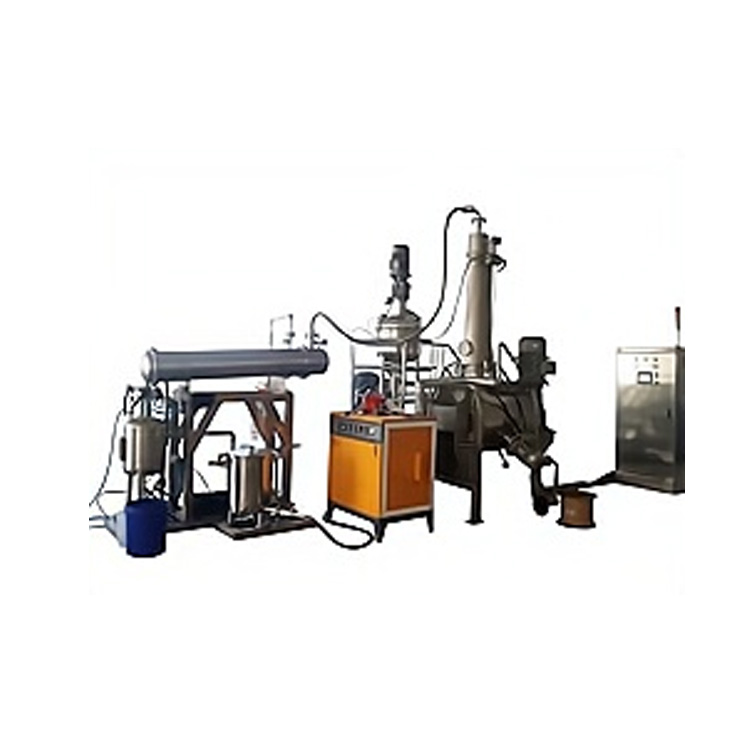
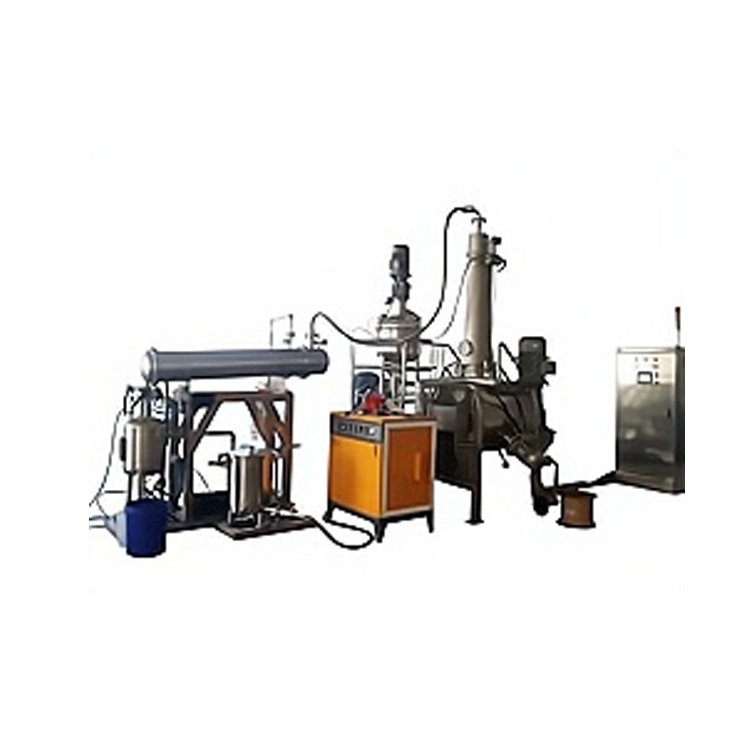
Figure: Laboratory Horizontal Plow Blade Vacuum Drying Unit
Operating Principle
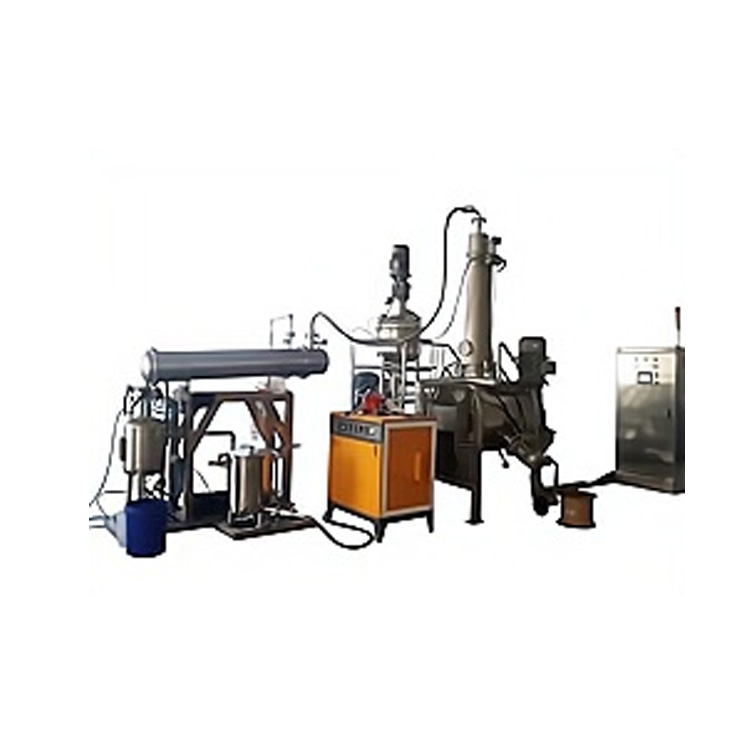
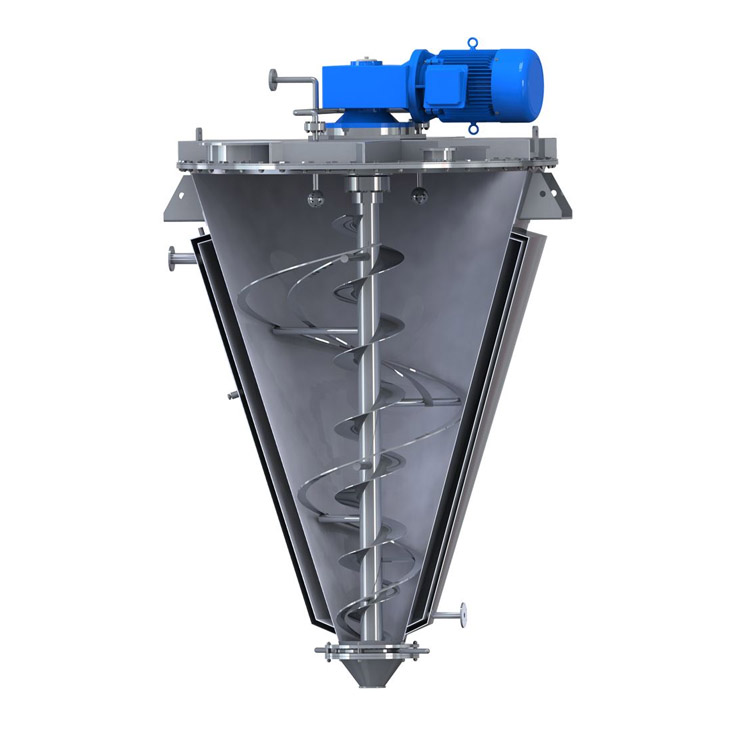
The equipment features a heating jacket that can be heated by hot water, hot oil, steam, and other heat mediums; the whole machine is designed as a closed type, allowing it to connect to a vacuum system for liquid extraction. It also includes a dust removal device, condensate recovery unit, and solid-gas separator at the front of the vacuum unit to minimize raw material loss as much as possible. The entire system can be designed with PLC automation control (such as temperature, vacuum level, speed, etc.) and features a signal interface for remote control.Equipment mixers come in various types: helical, scraper, and rake (paddle) style, etc.

Image:Horizontal Plow Knife Vacuum Drying System (Wet Coating Modification for Cathode Material)
Equipment Features
1. Heating System
The machine typically uses recirculating hot oil/water/steam heating, and can also be heated directly by installing an electric heating rod inside the jacket.
If using a recirculating heating method, one heat source system can be configured for multiple drying mixers.
2. Vacuum-assisted drying system
To enhance the drying performance and efficiency of the mixer, vacuum is drawn inside the mixer while it is being heated and dried to lower the boiling point of the liquid and reduce the liquid content in the air. This typically shortens the drying time by about 40%. Generally, a vacuum pump ranging from -0.06 to -0.08 Mpa is selected. To minimize the amount of dust extracted from the mixer, a bag filter (with reverse blowing device) is added to the top of the mixer. This helps reduce the loss of powdered raw materials. Additionally, a condensate recovery and filtration system is provided to recycle the liquid material.
3. Non-standard Design
For various industries, raw materials, finished product characteristics, pressure and temperature requirements, solid-liquid ratios, and matching processes, Mikes will develop highly targeted solutions in terms of drive units, operability, and sealing.
High-sealed vacuum drum designed for cathode material industry, whole machine capable of withstanding 400℃ high temperature for special chemicals, and special fly knife crushing components for the environmental engineering industry.
4. Auxiliary Components
The blender can be fitted with various components for use, commonly including coiled steam jacket, honeycomb pressure-resistant jacket, circulating medium jacket, on-line sampling valve, high-speed fly knife, temperature detection, and weighing system, among others.
When adding a small amount of liquid, a spray jet system can be configured for more even dispersion and mixing with the powder. The spray system consists of three basic modules: a pressure source, a storage tank, and a nozzle.
Material can be customized to include carbon steel, SS304 stainless steel, SS316L stainless steel, SS321 stainless steel, or other high-hardness alloy mixers. Also available are polyurethane linings or coating with highly wear-resistant materials (to extend the life of the working head and reduce metal contamination).