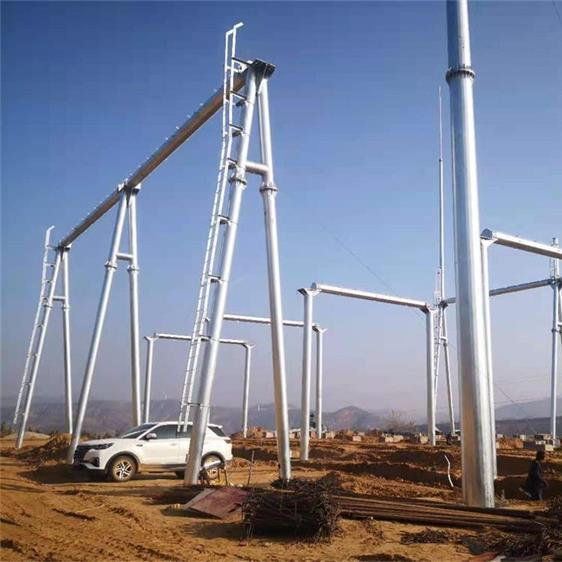















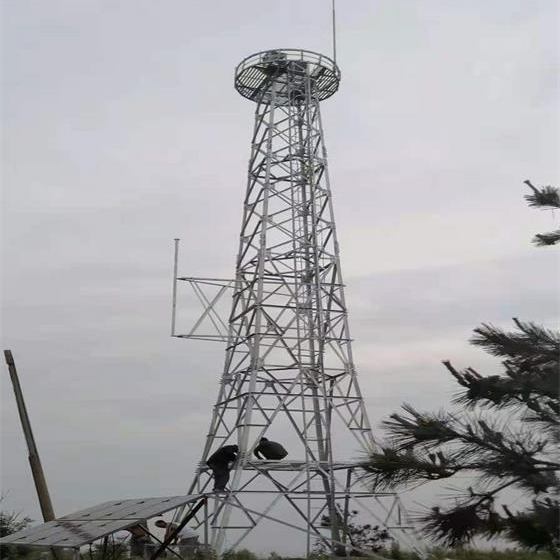
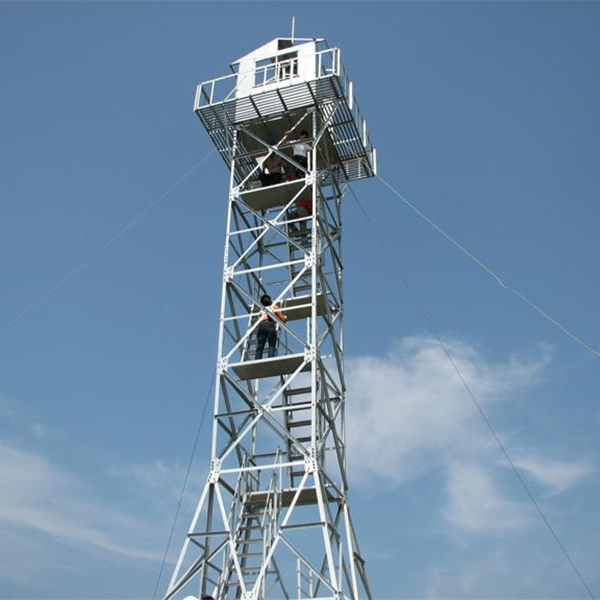
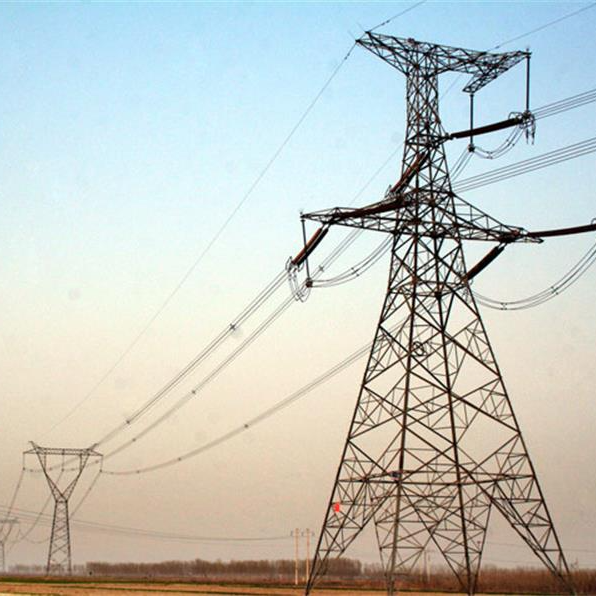
The power frame is used within the substation to support electrical equipment, busbars, isolators, and other facilities.Metallic structural systemIt serves as the core support carrier for the layout and functional realization of the substation electrical system, playing a crucial role in the power system's energy concentration, distribution, and transmission processes.
I. Core Features
- Equipment SupportProvide a stable installation platform for circuit breakers, disconnect switches, current transformers, voltage transformers, and other electrical equipment to ensure the accuracy of the equipment's spatial position during operation.
- Busbar installationSupports high-voltage busbars (such as aluminum tube busbars, flexible busbars), facilitating electrical power connections between different electrical intervals and equipment, and constructing an internal power transmission network within the substation.
- Electrical IsolationEnsure safe distances between live equipment, ground, other equipment, and personnel through reasonable structural layout, to prevent electrical accidents such as short circuits and electric shocks.
Section II: Main Types
According to function and structural form, power frameworks are mainly divided into the following categories:
- Busbar structure: Specifically designed for suspending and supporting busbars, typically in a gate or truss structure, they must possess sufficient stiffness to bear the self-weight of the busbars, wind loads, and short-circuit electromagnetic forces.
- Equipment structureUsed for installing various electrical equipment, featuring diverse structural forms such as single-column and double-column types, requiring compatibility with the installation dimensions and load requirements of the equipment.
- Isolation switch frameProvide operating and support space for the disconnect switch, ensuring the structure meets the mechanical movement range for opening and closing the switch and electrical insulation requirements.
Section 3: Structural Features
- MaterialPrimarily steel products, including common angle iron and steel pipes, featuring high strength, light weight, and easy processing and installation. Some components require anti-corrosion treatment (such as hot-dipped galvanizing) to extend their service life.
- Structural formThe structures often employ truss or rigid frame configurations, distributing loads through the rational combination of rods to ensure stability and cost-effectiveness.
- BasicThe structure is anchored to a reinforced concrete foundation via anchor bolts, ensuring overall stability under wind and equipment loads.
Section 4: Design Considerations
- Load factorsConsider the equipment's self-weight, busbar load, wind load, snow and ice load, as well as short-circuit electromagnetic force, and ensure the frame's strength, rigidity, and stability through structural calculations.
- Electrical RequirementsStrictly adhere to electrical safety distance regulations to ensure the spacing between the structure and live equipment, grounding devices, and surrounding buildings complies with insulation and protection standards.
- Seismic Resistance and Corrosion ResistanceDesign for seismic resistance based on the intensity of earthquakes at the substation location, and counteract the corrosive effects of outdoor environments through corrosion-resistant processes (such as galvanizing, painting) to ensure long-term safe operation.
- The rational design and construction of power structures are crucial to the electrical layout rationality, equipment operation safety, and overall power supply reliability of substation projects, making them an indispensable structural component of substation engineering.