

Product Details

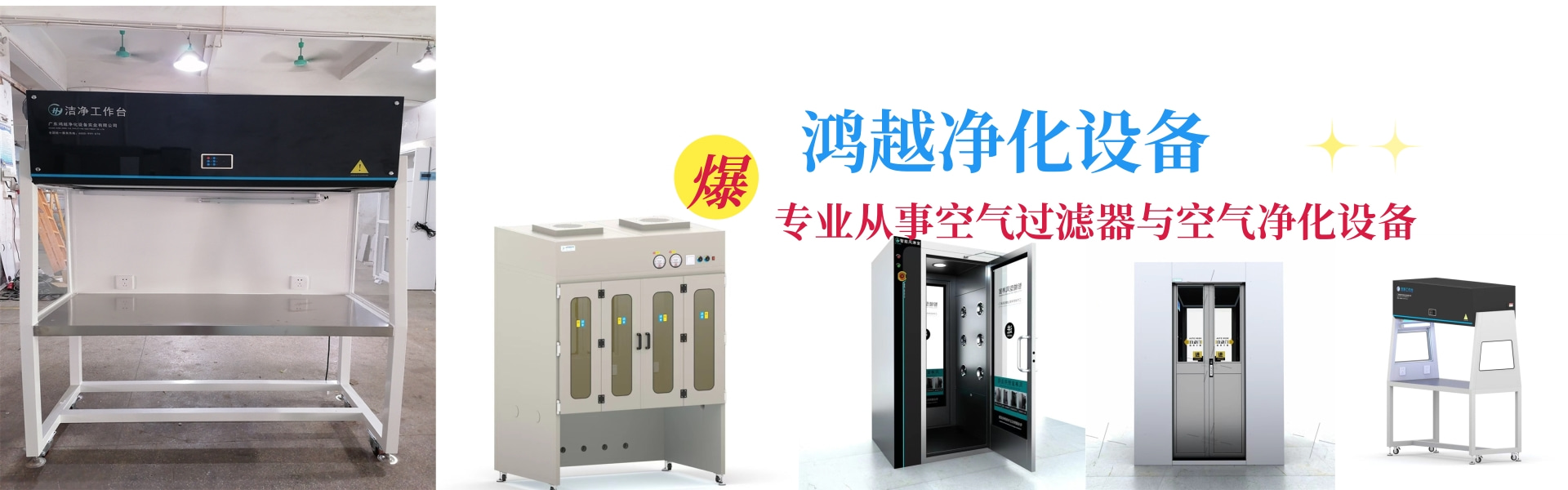
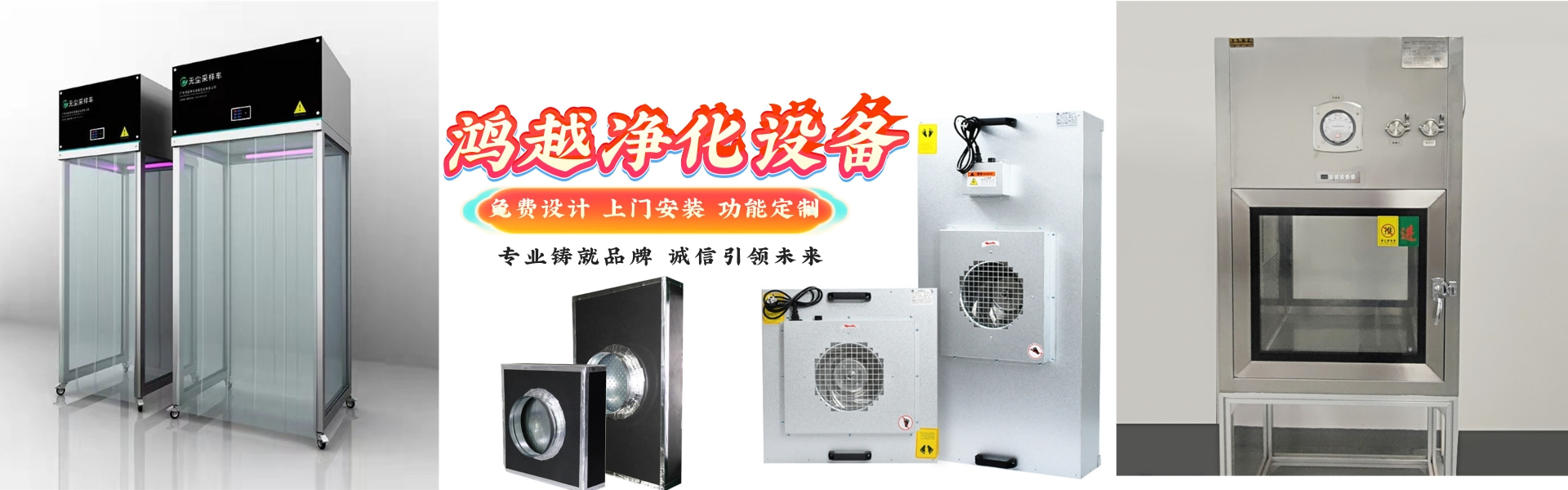
Air shower, Goods shower, Transfer window, FFU, Supply air outlet, Rapid rolling shutter door, Negative pressure weighing room, Cleanroom workbench, Stainless steel sink, Cleanroom wardrobe, Cleanroom sampling vehicle, Stainless steel shoe cabinet


价 格Negotiable
最小起订0 piece库存0 piece
 Business Card
Negotiable

Negotiable

Negotiable

Negotiable
 Explosion-proof FFU
Negotiable
Explosion-proof FFU
Negotiable
 Home Use FFU Air Purifier
Negotiable
Home Use FFU Air Purifier
Negotiable
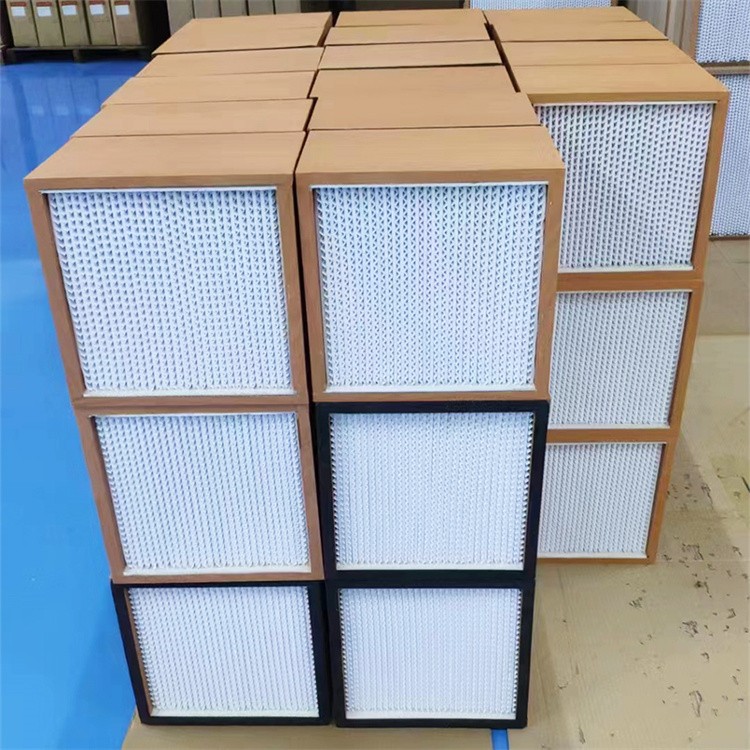 Wood Frame Filter
Negotiable
Wood Frame Filter
Negotiable
 Clean Sampling Vehicle
Negotiable
Clean Sampling Vehicle
Negotiable
 High-temperature resistant filter
Negotiable
Air shower chamber
Negotiable
High-temperature resistant filter
Negotiable
Air shower chamber
Negotiable
 Unpartitioned air filter
Negotiable
Unpartitioned air filter
Negotiable
 Honeycomb Activated Carbon Filter
¥90.00/piece
Explosion-proof FFU
Negotiable
Honeycomb Activated Carbon Filter
¥90.00/piece
Explosion-proof FFU
Negotiable
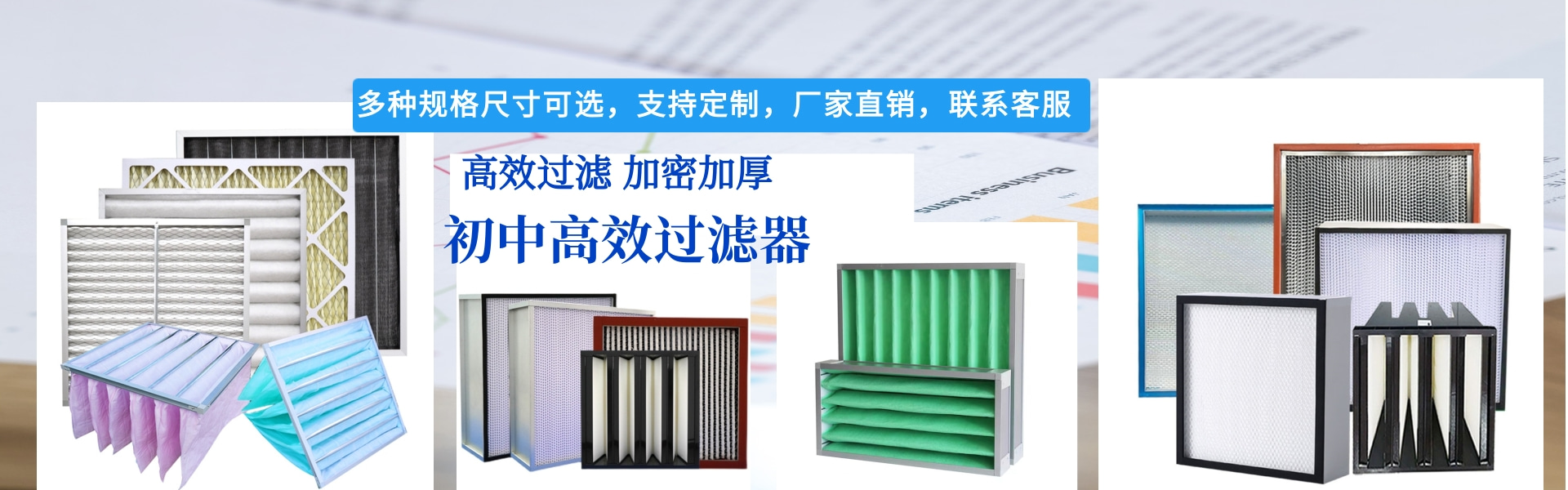
 Initial efficiency filter
Negotiable
Initial efficiency filter
Negotiable
In a cleanroom, there are usually positive and negative pressures, each serving its own purpose, and different parameter values need to be adjusted for them to function. What is the purpose of the positive and negative pressures in a cleanroom? Below, the editor will answer this question for you.
1. Cleanroom Positive Pressure
Maintaining a positive pressure in the purification workshop is crucial for ensuring that the production area is not, or minimally, affected by environmental contamination, and is an indispensable standard to maintain the cleanliness level of the design as a cleanroom. Even in a negative pressure purification workshop, it must have a positive pressure in at least the adjacent rooms or suites that are not less than its cleanliness grade, in order for the cleanliness grade of the negative pressure production area to be sufficient.
During the interior decoration of a purification workshop, the corridors in the clean area are typically maintained at positive pressure, which is higher than the operational room but lower than the areas with concentrated pollutants. This is to prevent the outward diffusion of contaminants, hence generally kept at positive pressure.
Positive pressure indicates the capability of a cleanroom to inhibit environmental pollution from air gaps around windows and doors, or to reduce indoor air pollutants to a minimum when windows and doors are opened briefly. The positive pressure size indicates the level of pollution inhibition capability, but it is not necessarily the case that the higher the positive pressure, the better.

Phone Consultation