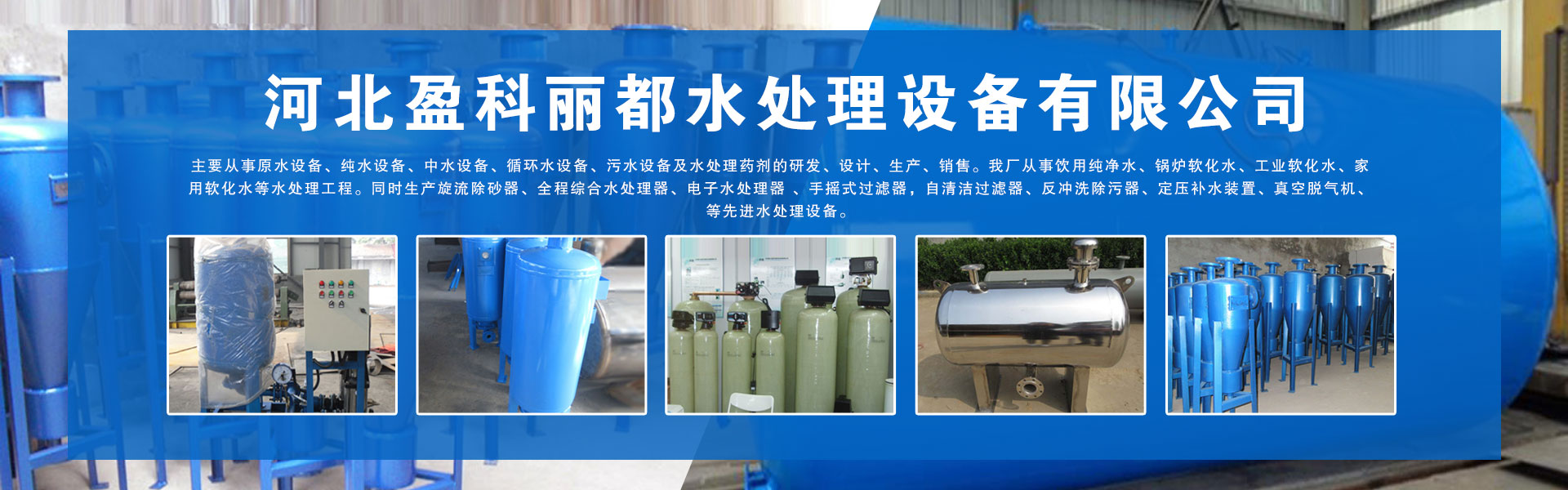
Sales of water treatment equipment, environmental protection equipment, thermal insulation materials, anti-corrosion materials, lighting equipment, electrical equipment, hardware products, stainless steel products, glass products, and plastic products; installation and sales of mechanical and electrical equipment; environmental protection engineering design and construction; self-operated or agency import and export business of various goods and technologies.


价 格Negotiable
最小起订0 piece库存0 piece
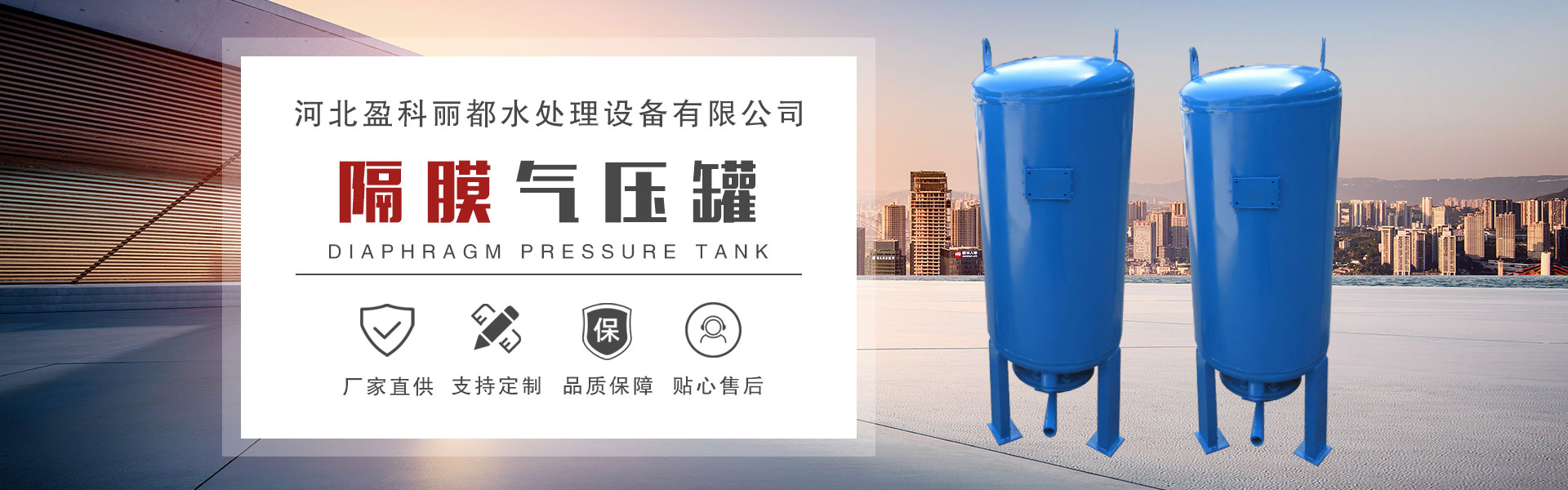
Diaphragm Pressure Vessel
Negotiable
Diaphragm Pressure Vessel
Negotiable
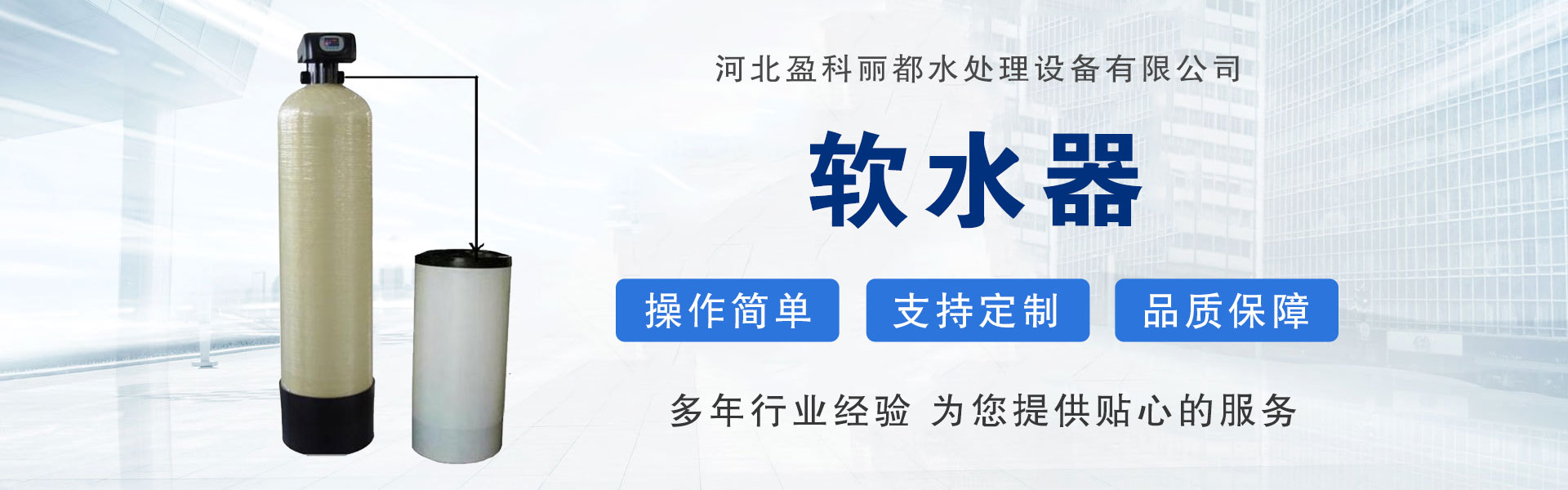
Water Softener
Negotiable
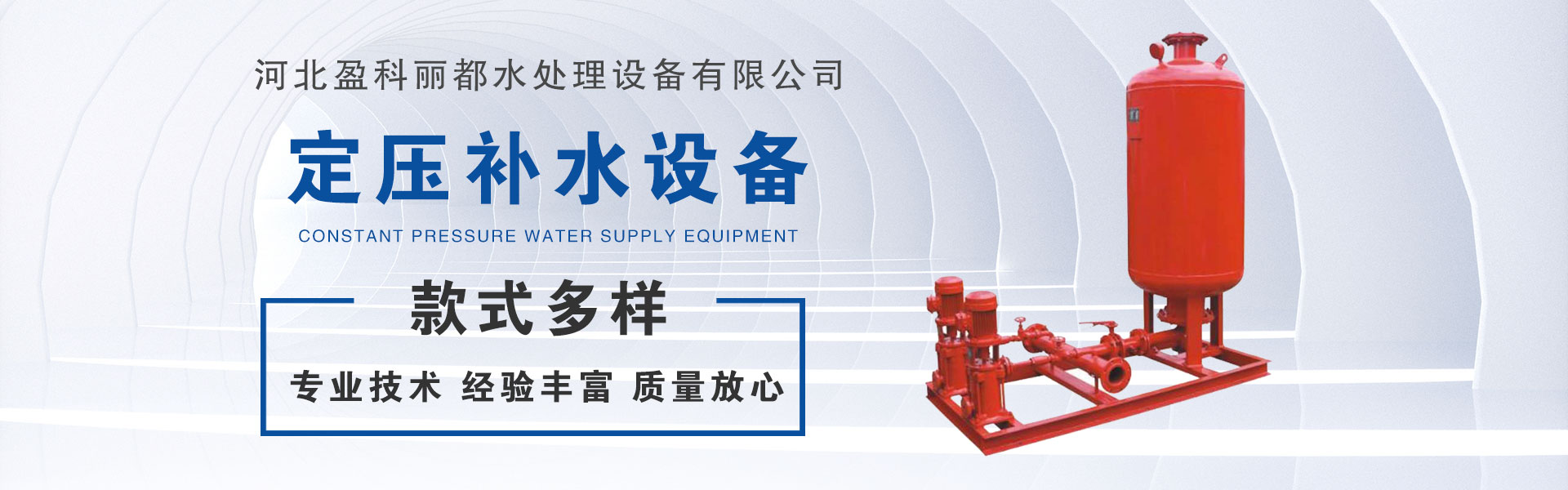
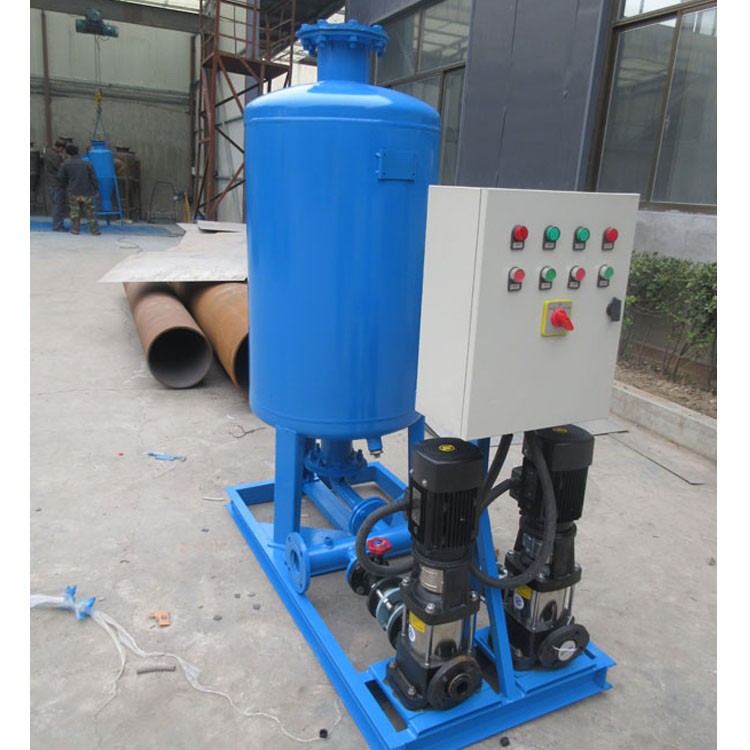
Automatic Pressure Water Supply E
Negotiable
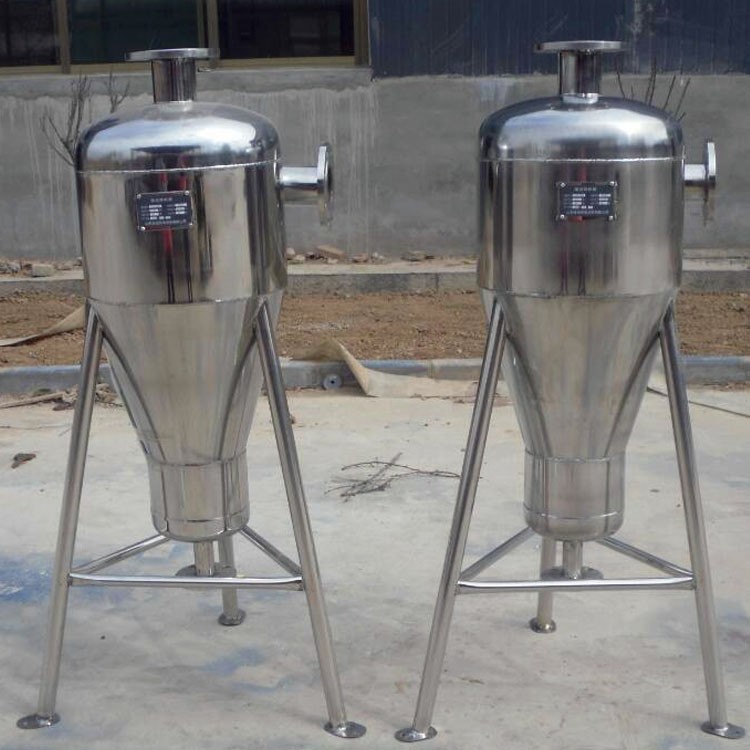
Turbulent Sand Separator
Negotiable
Non-foaming flow stabilizer tank
Negotiable
Automatic Pressure Water Supply E
Negotiable
Water Softener
Negotiable
Diaphragm Pressure Vessel
Negotiable
Turbulent Sand Separator
Negotiable
Product Description
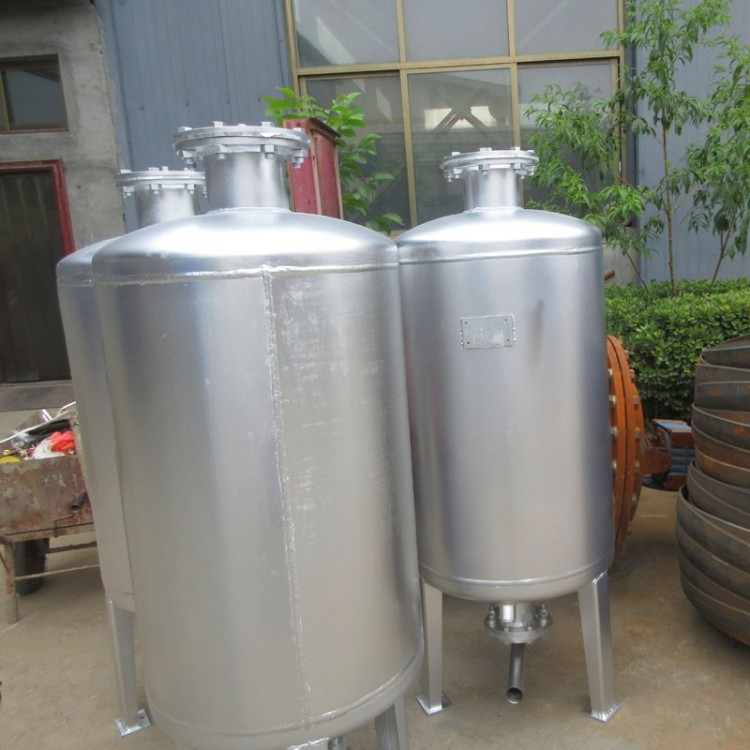
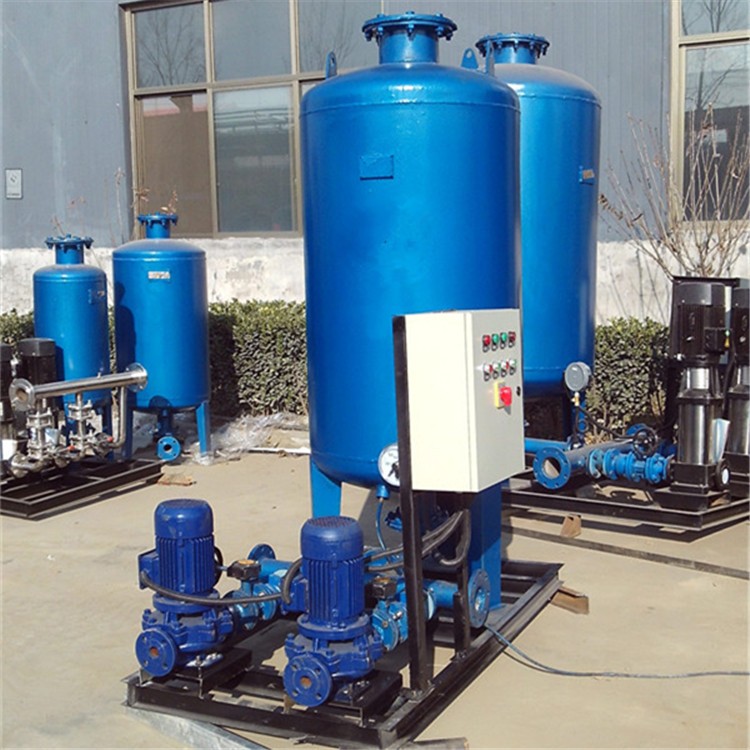
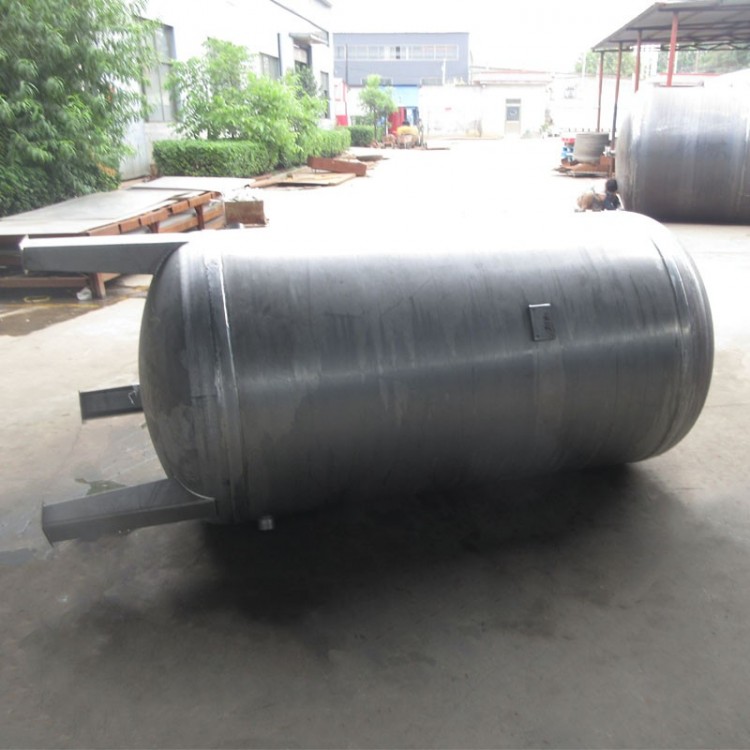
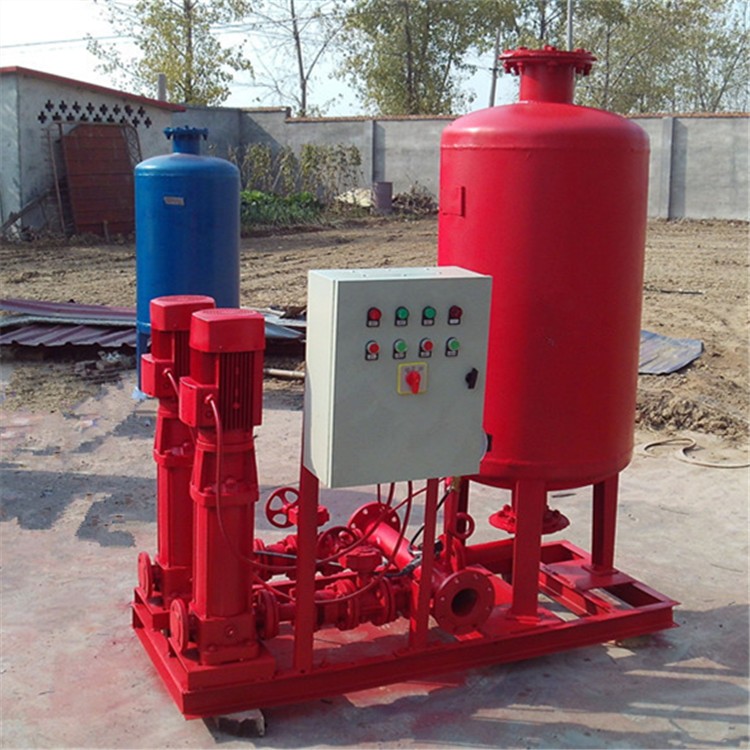
Non-negative pressure tanks (also known as flow stabilizer tanks, flow compensators, make-up water tanks, buffer tanks, water storage tanks) are an essential component of non-negative pressure water supply systems. Their function is to utilize the existing pressure of the municipal water network for the water supply system without causing negative pressure interference to the network, thereby affecting other users. The standard configuration of non-negative pressure tanks is horizontal, with the option for custom-made vertical structures. While manufacturing flow stabilizer tanks, we also offer subcontracting production services for various water supply equipment. Our products include box-type variable frequency constant pressure water supply systems, tank-type non-negative pressure water supply systems, box-type non-negative pressure water supply systems, vertical/horizontal variable frequency pumps, various non-standard automatic booster pumps, flow stabilizer tanks, non-standard tanks, pump control cabinets, and more. Whether you need products for building water supply, water treatment, or environmental protection, we can provide you with reliable quality, fully automatic TIG welding services, well-crafted, aesthetically pleasing complete sets of products or accessories, along with 2D/3D assembly drawings, label subcontracting, certificates of compliance, manuals, warranty cards, and after-sales services. Just let us know your requirements, and we will fulfill them for you.
The pressure-free water source tank is mainly composed of the cylinder, suction pipe, pump intake pipe, overflow pipe, and valves.
Application Range:
New residential communities or buildings' domestic water supply.
2. A water pool has been established, and the water supply method of the tank has been modified to prevent water pollution.
The city water supply regulations prohibit the direct installation of pumps on the municipal pipeline network. An air gap pressure tank must be added between the pump intake and the municipal pipeline, ensuring that the pipeline does not experience negative pressure and can utilize the pressure of the municipal pipeline.
Operating Principle
The core component of the non-negative pressure tank for eliminating negative pressure is the vacuum eliminator. When the tank is not filled with water, the vacuum eliminator is in the open position, making the tank non-sealed. As tap water is injected into the tank, air inside can be expelled through the vacuum eliminator. Once the tank is full, the float ball and the vacuum eliminator's sealing ring gradually couple, and the vacuum eliminator closes, isolating the tank from the outside environment. If the municipal water supply is continuous, the vacuum eliminator remains sealed, and the municipal pipeline pressure is transmitted to the pump for re-pressurization, enabling the surge tank to utilize the municipal network pressure. During peak water usage periods when the pump's water intake slightly exceeds the municipal supply (simply put, not enough to pump), the water level in the tank drops, and the sealing ball of the vacuum eliminator also descends, putting the vacuum eliminator in the open position. External air enters the regulating tank through the vacuum eliminator, preventing negative pressure from occurring due to insufficient water supply during pumping. The non-negative pressure tank thus achieves the purpose of eliminating negative pressure. When the municipal water supply stops, the built-in liquid level sensor in the non-negative pressure tank transmits a water shortage signal to the equipment control box, providing water shortage protection.

Phone Consultation